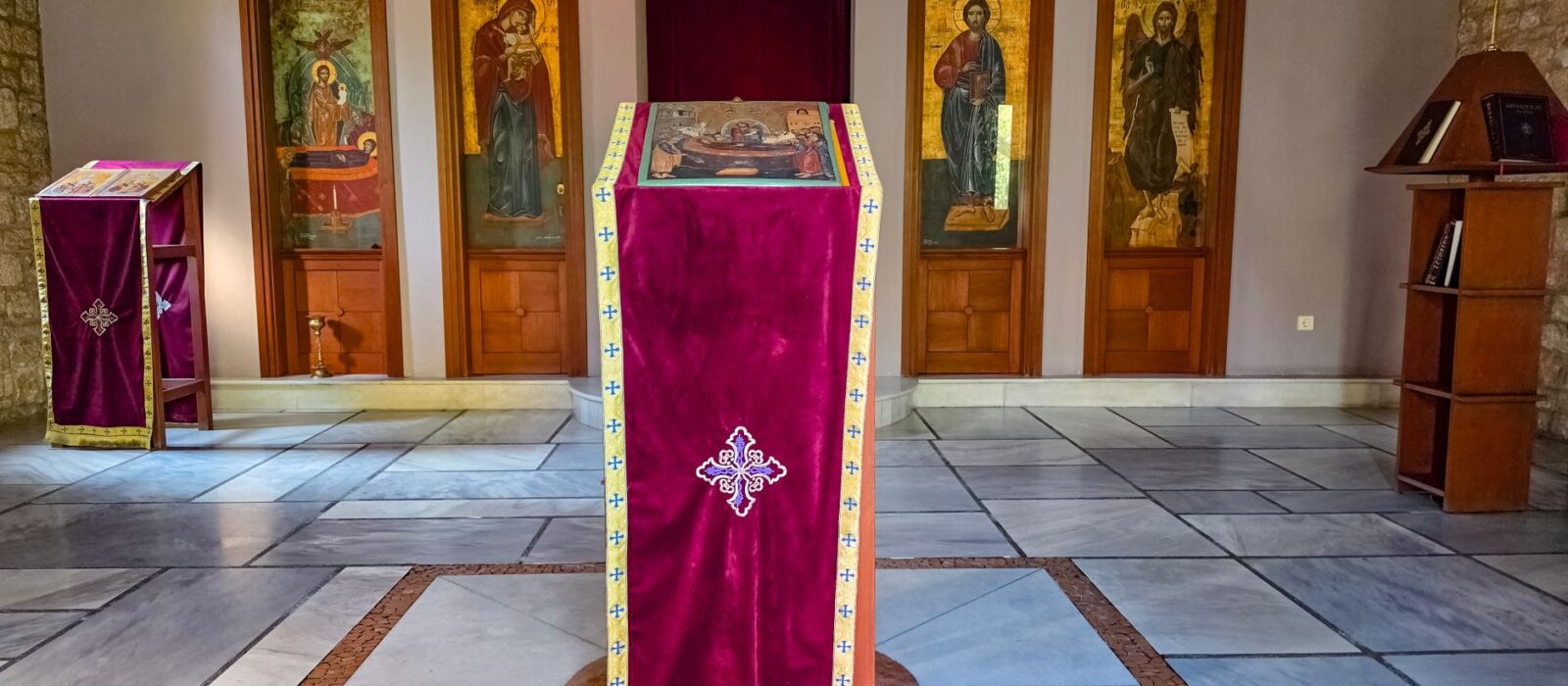
Byzantine Churches in Athens — What You Actually Need to Know
Athens has more Byzantine churches in Athens than most visitors realise, tucked between neoclassical apartment blocks and tourist-choked streets. The city shelters over 50 Byzantine and post-Byzantine churches, many dating from the 11th and 12th centuries, and several contain original frescoes and mosaics that rarely appear in guidebooks. You don’t need to be religious to find value here — these buildings represent one of the most concentrated deposits of medieval art in southern Europe, and most charge no entry fee at all.
The Churches Worth Seeking Out
Start with Kapnikarea, a small 11th-century church sitting improbably in the middle of Ermou Street, one of Athens’ busiest shopping thoroughfares. Built around 1050 AD, its cruciform plan and distinctive drum dome are textbook Middle Byzantine architecture. The interior holds modern mosaics painted by Fotis Kondoglou in the 1950s, but they follow strict Byzantine iconographic conventions — look for the deep ochres and the flattened, frontal figures characteristic of the style.
The Church of the Holy Apostles (Agii Apostoli) in the Ancient Agora is arguably the finest example in the city. Dating to around 1000 AD, it was carefully restored in the 1950s after suffering significant damage, and frescoes salvaged from a demolished church nearby were reinstalled inside. Entry is included with your Ancient Agora ticket (€10 in 2025, likely similar in 2026).
Less visited is Agios Eleftherios, also called the Little Metropolis, wedged beside the main cathedral on Mitropoleos Square. Built in the 12th century from marble blocks salvaged from ancient temples, its exterior is a strange collage of pagan reliefs and Christian symbols — a Dionysiac frieze sits next to a Byzantine calendar carved in stone. Locals largely ignore it. Most tourists walk straight past it to photograph the bigger cathedral next door.
Get the Free Athens Locals' Guide
The 50 things actually worth your time in Athens — tavernas locals keep to themselves, quiet viewpoints, and how to skip the Acropolis queues.
Frescoes, Mosaics, and What to Look For
Byzantine religious art follows a rigid hierarchical system. Christ Pantocrator (Ruler of All) almost always occupies the central dome, looking directly downward at the congregation. The Virgin Theotokos (God-Bearer) appears in the apse. The lower registers show saints and narrative scenes from scripture. Once you understand this grammar, every church becomes readable.
The Byzantine and Christian Museum on Vasilissis Sofias Avenue is essential for context before you visit the churches themselves. Its permanent collection spans the 3rd to the 20th centuries and includes portable icons, liturgical objects, and reconstructed chapel interiors. Entry costs €8, and the museum is closed on Mondays. Spend an hour here first and you’ll notice far more detail in the churches afterward.
For those wanting structured insight, both Viator and GetYourGuide list small-group Byzantine Athens tours that combine several churches with a specialist guide — worth considering if you want someone to explain iconographic programmes on-site rather than reading plaques alone. Tours typically run 3–4 hours and cost €30–€55 per person.
The Church of Agios Nikolaos Ragavas in Plaka, built in the 11th century, is another overlooked spot. It’s one of the first churches in Athens to ring its bells after liberation from Ottoman rule in 1833. Small, dark, and fragrant with incense, it still functions as a working parish church — which means you may arrive to find a baptism or a memorial service in progress. That’s not an inconvenience; it’s exactly what these spaces were built for.
Practical Notes for 2026
Most Byzantine churches in Athens keep erratic hours, typically open in the morning (8am–1pm) and sometimes reopening in the late afternoon (5pm–7pm). Always check before making a special trip. Dress modestly — shoulders and knees covered — or you won’t be admitted. This is a firm rule, not a suggestion.
The Byzantine and Christian Museum closes Mondays; the Ancient Agora (which includes the Church of Holy Apostles) closes on specific public holidays. Athens Public Transport card covers tram and metro to reach Syntagma and Monastiraki, both walking distance from most of these sites. Photography is generally permitted without flash inside churches, but confirm locally — rules vary by parish. Avoid visiting in the midday heat of July and August if you plan to walk between sites; the Plaka area in particular has almost no shade.
Frequently Asked Questions
Are Byzantine churches in Athens free to enter?
What's the difference between a Byzantine church and a regular Greek Orthodox church?
What should I wear when visiting Byzantine churches in Athens?
Is the Byzantine and Christian Museum worth visiting before the churches?
Are there guided tours focused specifically on Byzantine Athens?
More Things to Do in Athens
Top-rated experiences with free cancellation and instant confirmation.
Related Articles

Planning an Athens street art adventure in 2026? You’re going to need comfortable shoes, a decent phone camera,…
Here are the latest guides we published on AthensToursHQ this month. Fresh, hand-written, and packed with practical detail…

Planning an accessible Athens trip takes more research than most European cities, and I’ll be straight with you…