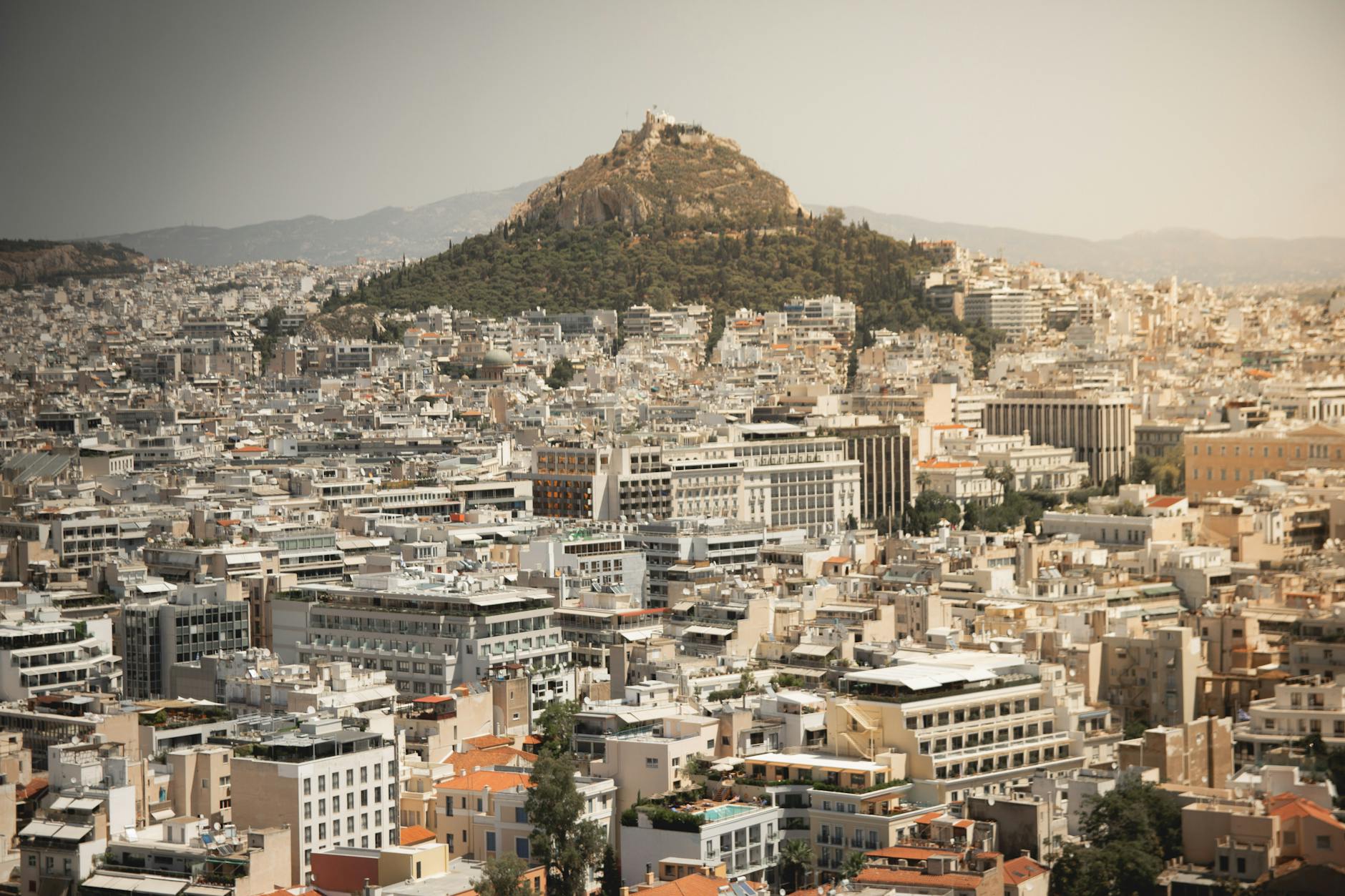
Athens rewards the traveller who comes prepared. It’s raw, layered, and loud in the best possible way — a city where history doesn’t sit behind glass but literally rises out of the ground beneath your feet. You can be standing on the Acropolis watching the sun sink behind Piraeus one hour and eating grilled octopus at a plastic table in Psiri at midnight the next, and both moments feel completely right. This guide covers everything you need for a trip to Athens in 2026 — airport to city, neighbourhood-by-neighbourhood hotel picks, honest budget breakdowns, and day-by-day itineraries from one day to four. Bookmark it and come back as you plan.
Getting to Athens and Into the City
Athens is served by Athens International Airport Eleftherios Venizelos (ATH), located about 35 kilometres east of the city centre in Spata. It’s a clean, well-signed airport and getting into the city is straightforward once you know your options.
Metro Line 3 — The Smart Choice
The fastest and most reliable way into the city is the Metro Line 3 (Blue Line), which runs directly from the airport to Syntagma Square in around 40 minutes. A single ticket costs €9 per person — valid for 90 minutes across all Athens public transport — and trains run every 30 minutes or so. First departure is around 5:30am, last around midnight. Grab your ticket from the machines in the arrivals hall (English language option is right there) and you’re sorted. This is the option I recommend almost every time.
Taxis and Rideshares
Official yellow taxis from the airport run on a flat rate of approximately €40 to the city centre during the day (roughly 5:00am to midnight), or €55 at night. Always use the official taxi rank outside arrivals and ignore anyone who approaches you inside the terminal — that’s a tourist trap as old as the city itself. The ride takes 35–50 minutes depending on traffic. Uber operates in Athens too and tends to be slightly cheaper, with the upfront pricing being a genuine comfort.
Express Buses
The X95 bus runs 24 hours between the airport and Syntagma Square for just €6. Slower — expect 60–90 minutes depending on traffic — but it runs through the night when the metro shuts down, which makes it genuinely useful for late arrivals.
Getting Around Athens
The main sightseeing zone is surprisingly walkable. The Acropolis, Plaka, Ancient Agora, Monastiraki, and the Roman Agora all sit within comfortable distance of each other on foot. That said, the metro and buses earn their keep when you’re heading to the National Archaeological Museum, Piraeus, or the outer neighbourhoods.
The Metro System
Athens has three metro lines that cover the essentials well. Line 1 (Green) runs from Kifissia in the north down to Piraeus. Line 2 (Red) cuts east to west through the centre. Line 3 (Blue) connects the airport to Egaleo via Syntagma. A single ticket is €1.40, valid for 90 minutes across metro, bus, and tram. Weekday service runs from around 5:30am to midnight; Friday and Saturday nights it goes until 2:00am, which is actually useful in a city where dinner starts at 9:00pm.
The Athens Card
If you’re spending several days in the city and plan to move around a lot, the Athens Card is worth a look. It bundles unlimited public transport with free or discounted entry to major museums and attractions. The 72-hour card with transport starts at around €30 and can save real money if you actually use it. Check the official Athens Card website for current pricing before your trip — it changes.
Walking
Don’t underestimate your feet. The Dionysiou Areopagitou pedestrian promenade runs along the south slope of the Acropolis hill and connects the key ancient sites in one beautifully walkable stretch. One warning: wear shoes with actual grip. The marble pavements in Plaka are genuinely slippery, especially after rain.
Where to Stay in Athens
Neighbourhood choice matters more in Athens than in most cities. Here’s a breakdown of the best areas and what to expect at each budget level.
Monastiraki and Plaka — Best for Atmosphere
Staying here puts you in the thick of ancient Athens, within a ten-minute walk of the Acropolis. Yes, it’s touristy. It’s also undeniably atmospheric, particularly in the evenings when the day-trippers have gone and the locals come out. Budget option: Athens Backpackers in Makrygianni has doubles from around €70 — clean, social, brilliantly located. Mid-range: Hotel Hermes in Plaka starts around €110/night, with Acropolis views from some rooms. Splurge: NEW Hotel near Syntagma from €200/night is serious boutique comfort.
Koukaki — Best for a Local Feel
Just south of the Acropolis Museum, Koukaki has shifted dramatically over the last decade into one of Athens’ most genuinely appealing neighbourhoods. Independent coffee shops, neighbourhood restaurants, a crowd that’s mostly not tourists. Still walkable to all the main sites. Mid-range pick: Marble House Pension is a long-time traveller favourite with doubles from around €80. For something more polished, Herodion Hotel offers a lovely rooftop with Acropolis views and starts around €150/night.
Kolonaki — Best for Luxury
Kolonaki is Athens’ smartest neighbourhood — designer boutiques, excellent restaurants, an affluent and cosmopolitan energy. It’s a 20-minute walk or one metro stop from the centre. Luxury picks: The Margi City from €250/night, and the St. George Lycabettus Hotel perched below Lycabettus Hill with exceptional city views from €200/night. Both are excellent if comfort and a bit of sophistication matter to you.
Must-See Sights and Experiences
Athens is dense with world-class history. Here are the non-negotiables, plus one essential day trip.
The Acropolis and Acropolis Museum
The Acropolis is the obvious starting point and it genuinely delivers. Entry costs €20 in peak season (April–October), €10 in low season, and free on the first Sunday of each month from November to March. Hours are generally 8:00am to 8:00pm in summer, 8:00am to 5:00pm in winter. Go at 8:00am or as close to it as you can manage — by 10:00am in July it’s a wall of heat and selfie sticks. The Acropolis Museum at the foot of the hill (€15 entry) is one of the best-designed museums in Europe and should not be rushed through. Open Tuesday to Sunday, 9:00am to 8:00pm, Fridays until 10:00pm in summer. If you want the full context, our Acropolis tour guides bring the whole site to life in a way a laminated map simply cannot.
Ancient Agora
The Ancient Agora — the civic and commercial heart of ancient Athens — sits just below the Acropolis and is often noticeably less crowded than the rock above it. Entry is €10, or included in the combined Acropolis ticket (€30, valid for five days and covering multiple archaeological sites). The Temple of Hephaestus here is one of the best-preserved ancient temples in the world. It doesn’t get the attention it deserves.
National Archaeological Museum
The National Archaeological Museum on Patission Street holds arguably the greatest collection of ancient Greek artefacts anywhere on earth. Entry is €12 (€6 in winter). Open Tuesday to Sunday, 8:00am to 8:00pm in summer. Give it at least three hours — more if you can. The Antikythera Mechanism alone — a 2,000-year-old analogue computer pulled from a shipwreck — is worth the trip across town.
Benaki Museum
The Benaki Museum in Kolonaki traces Greek culture from prehistoric times through to the 20th century, spread across an elegant neoclassical mansion. Entry is €12. The rooftop café is one of the most genuinely pleasant spots in Athens for a coffee — good views, no rush, a crowd that’s mostly locals.
Cape Sounion Day Trip
The Temple of Poseidon at Cape Sounion, sitting on a cliff edge 70 kilometres south of Athens, is one of the great views in Greece. You can drive yourself (around 1.5 hours), take the KTEL bus from Pedion Areos (€7 each way), or join an organised half-day tour through GetYourGuide or Viator — the latter usually includes commentary and a stop at a coastal taverna. Temple entry is €10. Go for sunset. Seriously, go for sunset.
Athens Food Scene
Eating in Athens is one of the great pleasures of travel. Here’s how to do it properly.
Souvlaki Culture
Souvlaki is the heartbeat of Athens street food. A pita souvlaki — pork or chicken, tzatziki, tomato, onion, paprika, all wrapped in warm flatbread — costs around €3–€4 and is legitimately the best fast food on earth, full stop. Monastiraki Square has several famous souvlaki spots including Thanasis and Bairaktaris, both operating since the mid-20th century and both still earning it. In Psiri, look for smaller neighbourhood gyradika (gyros shops) for something that feels less like a tourist production.
Taverna Etiquette and the Mezze Ritual
A traditional taverna meal is slow and shared and that’s the whole point. Order multiple small dishes — mezedes — for the table: taramosalata, grilled halloumi, horta (boiled greens with good olive oil), saganaki, stuffed vine leaves. This isn’t starter-main-dessert culture. It’s continuous, generous, unhurried sharing. Don’t rush, and leave room for the complimentary dessert or raki that a good taverna will bring at the end without being asked. Locals rarely eat dinner before 9:00pm, so calibrate accordingly.
Ouzo and the Mezze Ritual
Ouzo — the anise-flavoured spirit — is always served with food, never alone. Order it by the little carafe (karafaki) alongside cold water (it turns cloudy white when diluted, which is exactly right) and a plate of mezedes. The Central Market (Varvakios Agora) on Athinas Street is essential for anyone who loves food — a loud, fragrant, covered market selling meat, fish, olives, herbs, and spices in magnificent, slightly overwhelming abundance. Go on a weekday morning when it’s fully alive.
Athens Budget Guide and Day-by-Day Itineraries
Daily Budget Breakdown
- Budget traveller (€60/day): Hostel dorm or budget guesthouse, souvlaki and market meals, free or discounted museum days, metro for transport.
- Mid-range traveller (€120/day): Comfortable 3-star hotel, sit-down taverna meals, full museum entries, occasional taxi or guided tour.
- Luxury traveller (€250+/day): Boutique or 5-star hotel, fine dining, private guided tours, rooftop cocktails, private transfers.
Athens in 1 Day
Start at the Acropolis at 8:00am — before the heat arrives and before the crowds. Walk down through the South Slope to the Acropolis Museum and give it two hours. Souvlaki lunch in Monastiraki. Walk the Ancient Agora and browse the Monastiraki Flea Market. Evening meal in Plaka or Psiri, then a rooftop drink watching the Acropolis light up after dark. Read our full one-day Athens itinerary here.
Athens in 2 Days
Day one as above. Day two: National Archaeological Museum in the morning — three hours minimum, don’t shortchange it — then lunch in Exarchia, afternoon at the Benaki Museum or a walk up Lycabettus Hill, evening in Kolonaki. See our two-day Athens itinerary for the full breakdown.
Athens in 3–4 Days
Add a half-day trip to Cape Sounion on day three. Use day four to explore Piraeus and the coast, visit the Panathenaic Stadium, or take a one-day ferry to the Saronic Islands — Aegina is just 40 minutes by hydrofoil and feels like a completely different world. Our Athens day trips guide covers all the best excursions. For organised tours of these experiences, both Viator and GetYourGuide have strong Athens offerings with verified reviews.
Safety and Practical Tips
Athens is a very safe city for tourists. Violent crime targeting visitors is extremely rare. The main thing to watch for is pickpocketing — particularly on Metro Line 1, around Monastiraki Square, and along the flea market strip on Sundays. Money belt or zip-close bag, phone in a front pocket, awareness in crowds. That’s honestly about it. Greeks are genuinely warm and hospitable people, and solo travellers — including solo women — consistently report feeling comfortable and welcome here.
Language Basics
Greek uses its own alphabet, which looks intimidating but is actually learnable for basic reading in an afternoon. Most people working in tourism speak excellent English, and menus in tourist areas are almost always bilingual. A few phrases worth knowing — they’ll earn you real warmth: Yia sas (hello/goodbye, formal), Efcharistó (thank you), Parakaló (please/you’re welcome), Sygnómi (excuse me/sorry), and Pou íne i toualétes? (Where are the toilets?). Use efcharistó consistently and you’ll notice the difference in how people respond to you.
Ready to Book Your Athens Trip?
Athens in 2026 is in good shape. The city has invested seriously in its tourism infrastructure over the past few years while somehow holding onto that
🏛 Ready to Book?
Browse verified Athens tours — trusted by over 3.5 million travellers worldwide.
Search Tours on Viator →We earn a small commission at no extra cost to you.
Browse verified Athens experiences — instant confirmation, free cancellation on most tours.
Search Tours on GetYourGuide → We earn a small commission at no extra cost to you.Frequently Asked Questions
More Things to Do in Athens
Beyond food — top-rated experiences with free cancellation & instant confirmation.
Related Articles

Athens Central Market Guide 2026: Varvakeios & the Real Athens
Updated September 2026: Update, September 2026: The market is running full tilt right now…

3 Days in Athens 2026: The Complete Itinerary (What the Guides Leave Out)
Three Days in Athens: What Actually Happens vs. What You Planned I’ve done Athens…
Ancient Agora Athens: Complete Visitor Guide 2026
Updated July 2026: Updated July 2026: Athens has been sitting under brutal heat this…