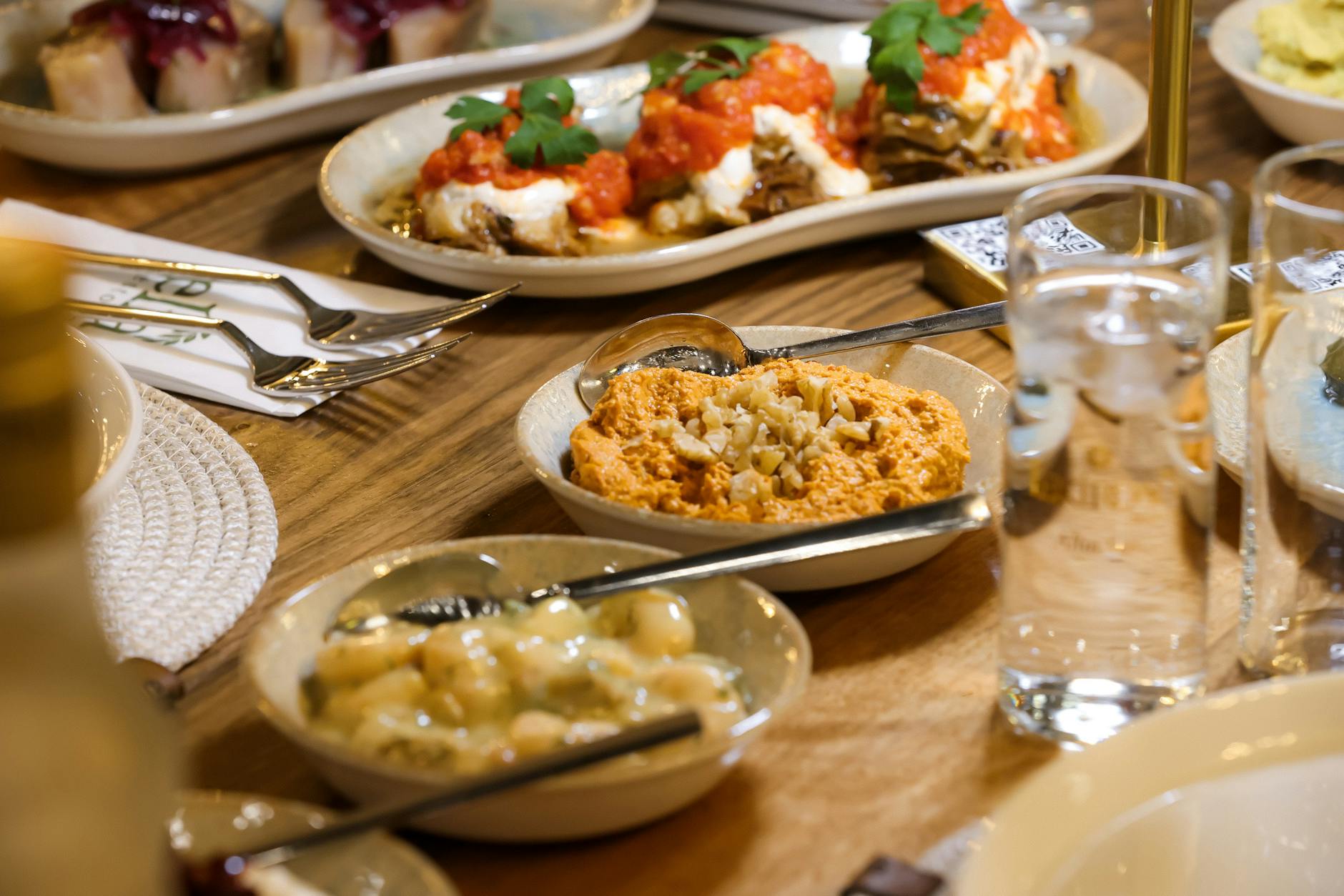
Athens has one of the most misunderstood food scenes in Europe. Most visitors eat their first meal steps from the Acropolis, sit down at a laminated-menu taverna, pay too much, and leave thinking Greek food is just okay. Locals know better — and after spending real time in every corner of this city, so do I. The Athens dining scene is neighborhood-specific, fiercely seasonal, and built on recipes that predate most European cuisines by centuries. This guide skips the tourist traps entirely and takes you straight to where Athenians actually pull up a chair, pour the wine, and stay until midnight.
Monastiraki: Souvlaki, History, and Zero Pretension
Monastiraki is chaotic, loud, and absolutely essential. The square itself is ringed with tourist-facing shops, but duck into the right spots and you’re eating some of the city’s best street food alongside builders, students, and grandmothers.
- Thanasis on Mitropoleos Street is the souvlaki benchmark. Yes, there’s a queue. Yes, it moves fast. Order the kebab wrapped in pita with tomatoes and onion — around €4–5 — and eat it standing on the pavement like everyone else. Open daily from 10am until well past midnight.
- Bairaktaris, directly on the square since 1879, is where you go when you want to sit down. The mixed grill plate runs about €12–14 and the atmosphere is pure old Athens — tiled walls, no-nonsense service, and portions built for actual hunger.
Neither place takes reservations. Neither needs them. Just show up hungry.
Psiri: Mezze, Raki, and Nights That Run Long
Psiri sits directly beside Monastiraki but feels like a different world after dark. The neighborhood is packed with small tavernas spilling onto cobblestone streets, and the format is straightforward: order a spread of mezze, keep the raki coming, and let the evening go wherever it wants. Many spots bring out live laïká music after 10pm — guitar, bouzouki, and occasionally someone who stands up to dance whether they planned to or not.
Look for places chalking their menu on a board out front and offering octopus in red wine and grilled sardines alongside the usual dips and fried cheese. Budget €20–30 per person with drinks for a full mezze spread. Most tavernas here open around 7pm and the kitchen runs until 1am on weekends. Reservations are rarely taken — arriving before 8:30pm usually gets you a table without a wait.
Koukaki: New Wave Greek and Natural Wine
Koukaki is the neighborhood Athenians mention when they want to sound like they know what’s happening. Tucked below the Acropolis, it’s where a generation of young Greek chefs trained abroad and came home to cook something honest — modern technique, strictly local ingredients, wine lists that feature orange and pet-nat bottles alongside serious Greek reds.
Dinner here typically runs €35–50 per person including wine, which is exceptional value compared to equivalent cooking in Paris or London. The vibe is relaxed but the food is serious. Reservations are strongly recommended, especially Thursday through Saturday — most kitchens here are small and fill up completely by 9pm. Book a few days ahead online or call directly. If you’re planning a full day of sightseeing before dinner, many visitors combine a morning Acropolis tour booked through platforms like Viator or GetYourGuide with an evening reservation in Koukaki, which makes geographic sense given how close they are.
Exarchia: Cheap, Authentic, and Proudly Unpolished
Exarchia is Athens’ anarchist neighborhood, decorated in political murals and buzzing with university energy. It’s also, without question, the best place in the city to eat a proper Greek lunch for under €10. The tavernas here are cash-only, the menus are handwritten, and the daily specials are whatever arrived at the market that morning.
- Look for kakavia — the ancient Greek fish soup — when it appears on a daily board. It’s rarely on regular menus, but when you find it in Exarchia, you’re eating something that fishermen’s families have been making for three thousand years.
- Lentil soup, stuffed vine leaves, slow-cooked lamb, and giant beans in tomato are all common daily specials. A full lunch with a carafe of house wine runs €8–12.
- Kitchen hours are strict — lunch service typically ends at 3:30pm and many places don’t open for dinner at all. Go between noon and 2:30pm for the best selection.
No reservations, no menus in English at most spots, maximum authenticity.
Kolonaki and Piraeus: Opposite Ends of the Spectrum
Kolonaki: Where the Expense Account Goes
Kolonaki is the upscale residential district climbing the slopes of Lycabettus Hill, and dining here means white tablecloths, carefully curated Greek wine lists, and dishes that treat traditional ingredients with real seriousness. Fine dining starts around €60 per person and climbs considerably once wine gets involved. This is Athens for a special occasion — a birthday dinner, a proposal, or a corporate meal where impressions matter. Reservations are essential, often weeks in advance for the best tables. The neighborhood is also walkable from the National Garden and Syntagma Square, making it a natural end to an afternoon of sightseeing.
Piraeus: Seafood at the Source
Mikrolimano harbor in Piraeus is where Athenians go when they want fish so fresh it was swimming this morning. The curved harbor is lined with seafood restaurants, many displaying their catch on ice at the entrance so you can point at exactly what you want. Grilled whole fish is priced by the kilogram — expect to spend €30–45 per person for a proper seafood meal with salad and wine. Take the Metro Line 1 directly from central Athens to Piraeus — it’s a 25-minute ride and completely straightforward. Lunch here on a Sunday, watching the boats and eating grilled octopus, is one of Athens’ genuinely perfect experiences. Most restaurants open for lunch from noon and for dinner from 7pm; weekend reservations are advisable.
Practical Notes Before You Go
- Lunch runs late: Greeks eat lunch between 2pm and 4pm. Dinner rarely starts before 9pm and peaks around 10:30pm.
- Water is not free at most Athenian restaurants — ordering bottled water is standard. Ask for a carafe of house wine (κρασί χύμα) to drink well and save money.
- Cover charges of €1–2 per person for bread and spreads are normal and not a scam.
- Tipping: rounding up or leaving 10% is appreciated but not mandatory.
- If you want a structured introduction to Athens’ food culture, food-focused walking tours bookable through GetYourGuide are an excellent starting point — many cover Monastiraki and Psiri specifically and include tastings along the way.
Athens rewards the curious eater more than almost any other European capital. The city has layers — a souvlaki counter that’s been feeding the neighborhood since before your grandparents were born, a 30-year-old chef reworking grandmother’s recipes with produce from a farm two hours north, a harbor restaurant where the fish is so good that cooking it simply is a point of pride. None of it requires much money. None of it requires much planning. All of it requires showing up with genuine appetite. Eat where the locals eat, stay later than you planned to, and let Athens do what it does best.
🏛 Ready to Book?
Browse verified Athens tours — trusted by over 3.5 million travellers worldwide.
Search Tours on Viator →We earn a small commission at no extra cost to you.
Browse verified Athens experiences — instant confirmation, free cancellation on most tours.
Search Tours on GetYourGuide → We earn a small commission at no extra cost to you.Frequently Asked Questions
More Things to Do in Athens
Beyond food — top-rated experiences with free cancellation & instant confirmation.
Hungry for more? Our sister site FoodTourTrails has an in-depth Athens food guide — souvlaki, mezedes, the markets locals love, and food tours worth booking.
Related Articles

Accessible Athens 2026: Disability Access Guide, Accommodations & Resources
Updated August 2026: **August 2026 Update:** Athens in summer means intense heat that can…

Women-Led Tours & Experiences in Athens 2026: Female Guides & Women Entrepreneurs
What Women-Led Tours in Athens Are Actually Like Women-led tours in Athens have moved…

Best Rooftop Bars in Athens 2026: Views of the Acropolis with a Drink
Rooftop Bars in Athens: What Actually Delivers on the View Athens has more rooftop…