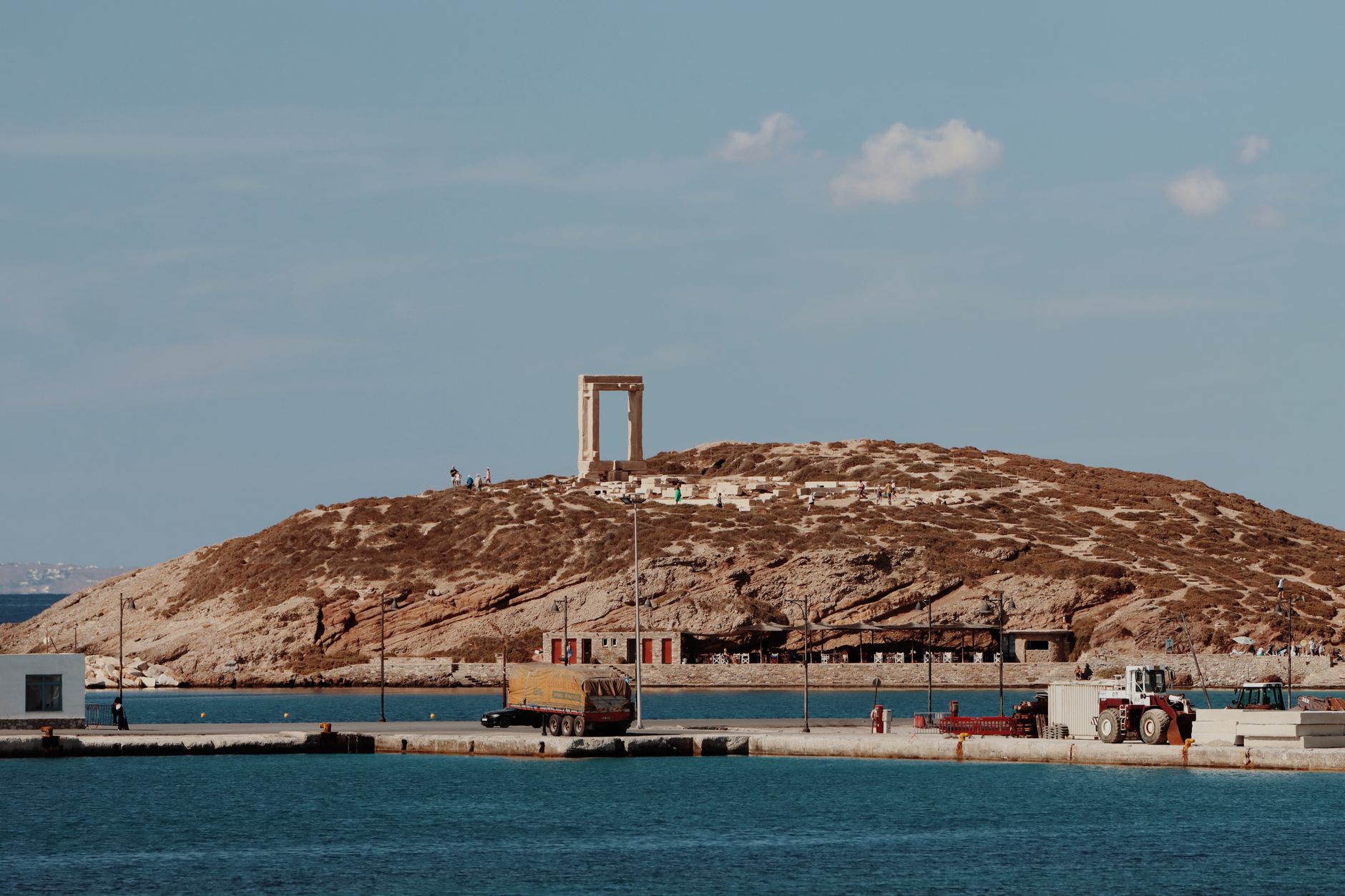
A Naxos day trip from Athens punches way above its weight. Most people assume you need a week in the Cyclades to make it worthwhile, but Naxos is close enough — about 5.5 hours by standard ferry, or 3.5 hours on the fast catamaran — that a single long day genuinely delivers. I’ve done it twice now, and both times I came back sun-scorched and slightly overwhelmed by how much this island crams into a relatively small space.
Getting There from Athens in 2026
Ferries leave from Piraeus port, not central Athens, so factor in an extra 45 minutes from Syntagma Square. The Blue Star Ferries standard boats are cheaper (around €35-40 one way in 2026) but slower. Seajet and Hellenic Seaways run the fast catamarans for roughly €55-65 each way — worth every euro if you’re only got one day. Book online through Ferryhopper or directly with the operator at least a week ahead in July and August, because these boats fill up fast and the queues at Piraeus in peak summer are genuinely chaotic.
The ferry drops you right at Naxos Town port, which is an excellent start. You literally step off and you’re already looking at the Portara — the massive marble gate of an unfinished Apollo temple sitting on a small islet connected to town by a causeway. It’s about 2,500 years old and nobody bothers charging you to walk up to it. That alone sets the tone for the island.
Naxos Town: Don’t Rush Through It
The old town, called the Kastro, is a Venetian-era maze of whitewashed alleyways built up on a hill above the port. Give yourself an hour to wander without a plan. The Archaeological Museum up there (€6 entry in 2026) is actually worth stopping into — it’s small and you can get through it in 40 minutes, but the marble Cycladic figurines are the real thing, not reproductions. The souvenir shops around the main square sell good local products too: Naxian thyme honey, Kitron liqueur made from citron leaves, and aged graviera cheese that’s genuinely better than anything you’ll find in Athens.
Where to Eat in Naxos Town
Skip anything on the harborfront with laminated menus and photos. Walk five minutes inland to Meze Meze on Papavasiliou Street for grilled octopus and local fava that costs about €12-15 per dish. Ellinikon Café near the Kastro entrance does coffee and cheese pies in the morning if you arrive on an early boat and need breakfast first.
Beaches Worth the Trip
Naxos has some of the best beaches in the Cyclades, which is saying something. Agios Prokopios, about 6km south of town, is long and organized with sunbeds (€10-12 for two chairs and an umbrella) and clear shallow water that’s ideal if you’re traveling with kids or just want to actually swim rather than navigate sharp rocks. It gets crowded by midday in summer — arrive before 11am if you want a decent spot.
Plaka Beach, another 3km further south, is longer, less organized, and attracts a younger crowd. Some sections are clothing-optional, so be prepared for that if it’s not your thing. The water color here is genuinely remarkable — the kind of pale turquoise that makes you understand why people keep coming back to Greece despite the crowds and expense.
Getting between beaches: rent a car or scooter from one of the agencies near the port (expect €35-50/day for a small car in 2026, €20-25 for a 125cc scooter). The local buses run but they’re infrequent and you’ll waste too much of your day waiting.
Kitesurfing at Mikri Vigla
Naxos has a well-earned reputation as one of the best kitesurfing spots in Europe, and it’s specifically because of the Meltemi winds that blow reliably through summer. Mikri Vigla beach, on the west coast about 20km from Naxos Town, is where the serious water sports crowd congregates. Naxos Kitepro and the Flisvos Sport Club both operate out of here with lessons from around €80-90 for a two-hour beginner session. Windsurfing instruction runs similar prices. Even if you’re not there to kitesurf, watching the experienced riders is genuinely impressive — some of them are training at a competitive level.
Villages in the Interior: Halki and Apeiranthos
If beaches aren’t your entire focus, the mountain villages are what separate Naxos from islands like Mykonos or Santorini. Halki, about 16km from the port, has a Byzantine church, a Venetian tower, and Vallindras Distillery where they’ve been making Kitron since 1896. Free tastings, interesting history, and the village itself is quiet enough that you feel like you’ve actually left the tourist circuit.
Apeiranthos is higher up and harder to reach, but the marble-paved streets and the fact that locals there speak a distinct dialect tells you something about how isolated these communities were for centuries. Get lunch at one of the two small tavernas on the main square — the lamb dishes are what to order.
If you’d prefer someone else handle the logistics for the interior villages, GetYourGuide and Viator both list guided day tours from Naxos Town that include transport and a local guide for around €45-60 per person. Useful if you’re tight on time or unfamiliar with Greek mountain roads.
Honest Advice Before You Go
- July and August are genuinely very crowded — June and September offer the same weather with 40% fewer people
- The fast ferry is worth the price premium on a day trip — you simply can’t afford to lose three extra hours each way
- ATMs in smaller villages run out of cash on busy weekends — withdraw in Naxos Town
- Sunscreen is twice the Athens price in beach shops, so bring your own
- Last fast ferry back to Piraeus typically departs around 5-6pm — confirm the exact time when you book, because missing it means an overnight stay
🏛 Ready to Book?
Browse verified Athens tours — trusted by over 3.5 million travellers worldwide.
Search Tours on Viator →We earn a small commission at no extra cost to you.
Browse verified Athens experiences — instant confirmation, free cancellation on most tours.
Search Tours on GetYourGuide → We earn a small commission at no extra cost to you.Frequently Asked Questions
More Things to Do in Athens
Beyond food — top-rated experiences with free cancellation & instant confirmation.
Related Articles
Poros & Spetses Island Hopping 2026: Ferry Routes, Activities & Where to Stay
Two Islands, One Day — Or Take Your Time Poros and Spetses island hopping…

Anaphiotika Athens 2026: The Hidden Island Village in Plaka
Updated September 2026: Update, September 2026: Visited again last week and the neighborhood feels…

Livadhia & Lord Byron’s Connections 2026: Literary Day Trip from Athens
What Livadhia Is Actually Like A Livadhia day trip from Athens delivers something surprisingly…