What Alonissos Is Actually Like
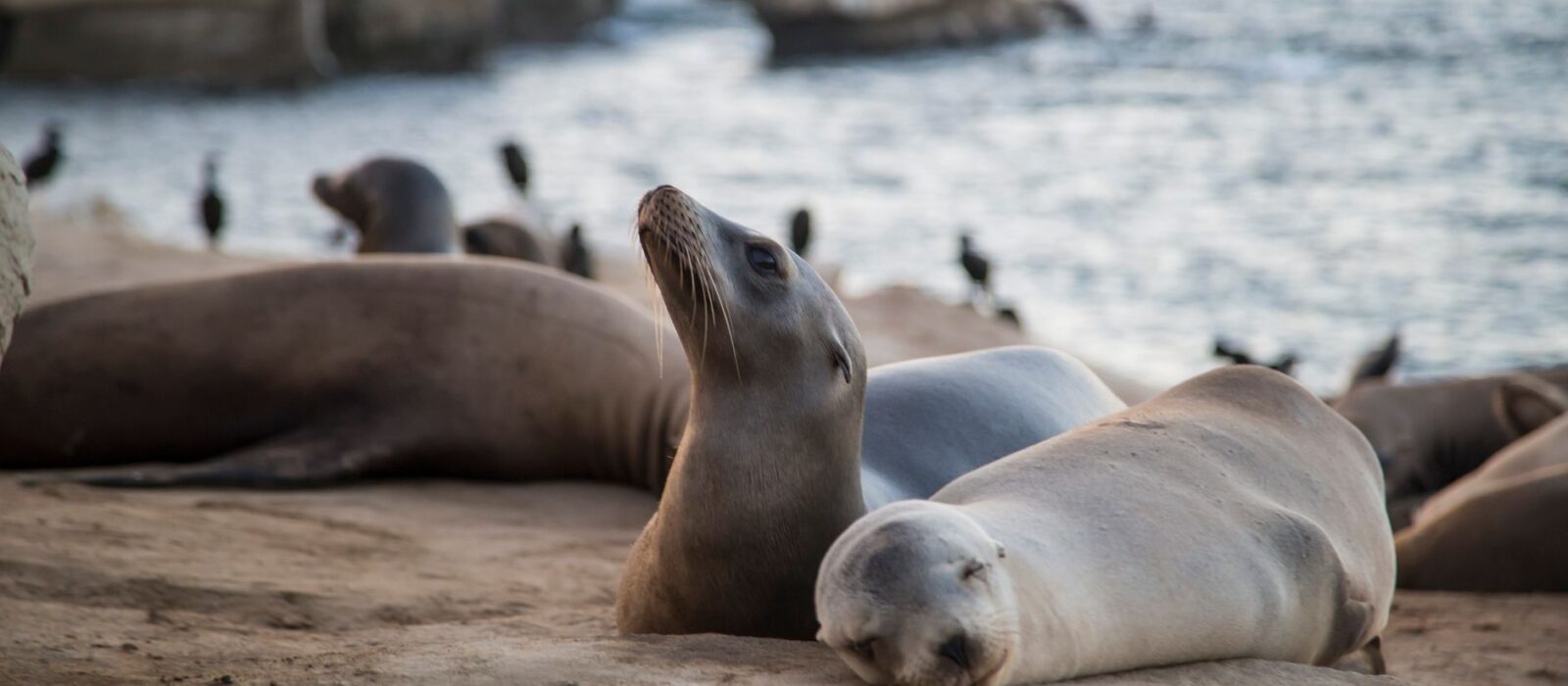
An Alonissos marine park weekend trip from Athens in 2026 delivers something genuinely rare in the Aegean: a Greek island that tourism has not yet overrun, partly by design and partly by geography. The island sits in the Northern Sporades and hosts Greece’s first — and still largest — protected marine area, the National Marine Park of Alonissos Northern Sporades (NMPANS), covering roughly 2,220 square kilometres of sea, islets, and coastline. What surprises most visitors is the quiet. Patitiri, the main port, is functional rather than pretty, but venture ten minutes outside it and the pine-covered hills and cobalt water take over completely. The old village of Chora, perched above, has been painstakingly rebuilt after a 1965 earthquake and now feels more lived-in than postcard-perfect. Wildlife is the real draw: Mediterranean monk seals, dolphins, and Eleonora’s falcons coexist in waters that are actively monitored and protected.
Where Exactly Is Alonissos?
Alonissos sits in the northwest Aegean, roughly 130 kilometres east of mainland Volos and about 300 kilometres north of Athens by sea. It is the easternmost inhabited island in the Northern Sporades chain, past Skiathos and Skopelos. The island itself is about 25 kilometres long and 5 kilometres wide — small enough to explore in a weekend but diverse enough to fill one. The marine park extends well beyond the island, covering surrounding uninhabited islets including Kyra Panagia, Gioura, and Psathoura. From Patitiri, the harbour town, it is a 10-minute drive up a winding road to Chora, and around 20-30 minutes by car to the northern tip of the island at Gerakas, which is the launch point for most marine park excursions.
How to Get There
The most common route from Athens in 2026 runs via Volos or Agios Konstantinos. High-speed ferries from Agios Konstantinos (about 2.5 hours north of Athens by bus or car) reach Alonissos in approximately 2.5 to 3 hours depending on the operator and whether the boat stops at Skiathos and Skopelos first. Standard ferries take 4 to 5 hours. Ferry tickets range from roughly €30 to €55 one-way in economy class; high-speed options run €45 to €75. Book via Ferryscanner or directly through Hellenic Seaways well in advance for July and August travel.
From Athens, KTEL buses to Agios Konstantinos depart from Liosion terminal and cost approximately €15 to €18 one-way, taking around 2.5 hours. If you are driving, parking in Agios Konstantinos near the port is manageable and costs roughly €5 to €8 per day in gated lots. There is no airport on Alonissos, so flying is not an option unless you route through Skiathos and take a boat transfer — scenic but considerably more expensive and time-consuming. The direct ferry-and-bus combination from Athens is the most practical choice for a weekend trip, balancing cost and journey time without unnecessary connections.
Get the Free Athens Locals' Guide
The 50 things actually worth your time in Athens — tavernas locals keep to themselves, quiet viewpoints, and how to skip the Acropolis queues.
What to Expect When You Arrive
Patitiri port is compact and walkable. Accommodation clusters here and in Chora, with smaller options scattered along the east coast at Steni Vala and Votsi. Rooms range from basic studios (€60 to €90 per night in shoulder season) to eco-friendly guesthouses pushing €150 in peak summer. Book early — the island has limited beds compared to Skiathos.
Beaches are pebbly rather than sandy for the most part. Chrisi Milia has fine gravel and some sunbeds; Leftos Gialos is quieter and backed by pine trees. Do not arrive expecting beach clubs with cocktail service — that is not this island. Snorkelling gear can be rented from shops in Patitiri (approximately €8 to €12 per day). For marine park excursions — the main reason most people make the trip — boat tours depart from Patitiri daily in season, lasting 6 to 8 hours and covering protected islets. Platforms like GetYourGuide and Viator list certified operators; prices run roughly €45 to €70 per person including snorkelling equipment and sometimes lunch.
Best Time to Visit
Late May to mid-June and September are the sweet spots. The sea is warm enough to snorkel comfortably (around 22 to 24°C in September), the ferry connections are running at full frequency, but the crowds are a fraction of peak July and August. Marine wildlife sightings — monk seals, common and striped dolphins — are not guaranteed on any visit, but the calmer sea conditions of shoulder season improve both the likelihood of sightings and the comfort of longer boat excursions. July and August bring more tourist pressure and stronger meltemi winds that can cancel boat tours entirely, sometimes for several consecutive days. If you are coming specifically for the marine park experience rather than beach time, September offers better odds on both fronts.
Honest Crowd Assessment
Alonissos is genuinely less crowded than its neighbours, but that gap is narrowing. In July and August, Patitiri fills up noticeably, ferry arrivals increase, and popular beaches see real pressure. The island has deliberately resisted mass tourism — there are no large resort hotels, no package-tour megacomplexes — but Instagram has been doing its quiet damage. Shoulder season (May-June and September) still feels unhurried in a way that Skiathos or Mykonos simply cannot. Chora in the early evening, with fewer than a hundred tourists around, is a different experience from the same street in August. If solitude matters more than warm water, come in October — the ferries thin out but the island remains open and genuinely peaceful.
Practical Details for 2026
- Ferry booking: Hellenic Seaways and Seajet operate main routes; book 4 to 6 weeks ahead in summer.
- Marine park entry: The marine park itself has no entrance fee, but licensed boat tours are required for access to most protected zones.
- Boat tours: Approximately €45 to €70 per person; half-day snorkel-focused trips also available at €25 to €40.
- Accommodation: €60 to €150 per night depending on season and category; eco-guesthouses in Chora tend to book out first.
- Getting around on-island: Rental cars and scooters available in Patitiri (approximately €35 to €55 per day for a small car); the island road network is manageable but narrow in places.
- MOm (Hellenic Society for the Study and Protection of the Monk Seal): Has an information centre in Patitiri; worth an hour of your time before any marine excursion.
- No ATMs outside Patitiri: Withdraw cash on arrival; card acceptance is patchy in smaller villages.
Is It Worth It?
For anyone who finds typical Greek island tourism exhausting, yes — Alonissos is worth the extra effort of the longer journey. The marine park gives the trip a genuine purpose beyond beach-hopping, and the conservation story around the Mediterranean monk seal is both serious and accessible. Sightings of the seals themselves are possible but not certain; come expecting a protected, working ecosystem rather than a wildlife safari. Skip Alonissos if your priority is nightlife, sandy beaches with full service, or quick access from Athens on a tight schedule. It rewards slow travel: a boat trip, a long afternoon in Chora, dinner at a taverna where the menu changes based on the day’s catch. That kind of weekend is exactly what 2026 Alonissos still offers.
Frequently Asked Questions
Can you actually see Mediterranean monk seals on Alonissos?
How long does the ferry from Athens take to Alonissos?
Is Alonissos suitable for snorkeling beginners?
Do I need to book marine park boat tours in advance?
Is Alonissos a good fit for a two-day trip from Athens?
More Things to Do in Athens
Top-rated experiences with free cancellation and instant confirmation.
Related Articles
What a Kea Island Day Trip from Athens Is Actually Like A Kea island day trip is one…
If you’ve spent any time wandering through Anaphiotika Athens and somehow missed it, you’re not alone — most…

Why Tanagra Deserves a Day of Your Athens Trip A Tanagra day trip from Athens takes you about…