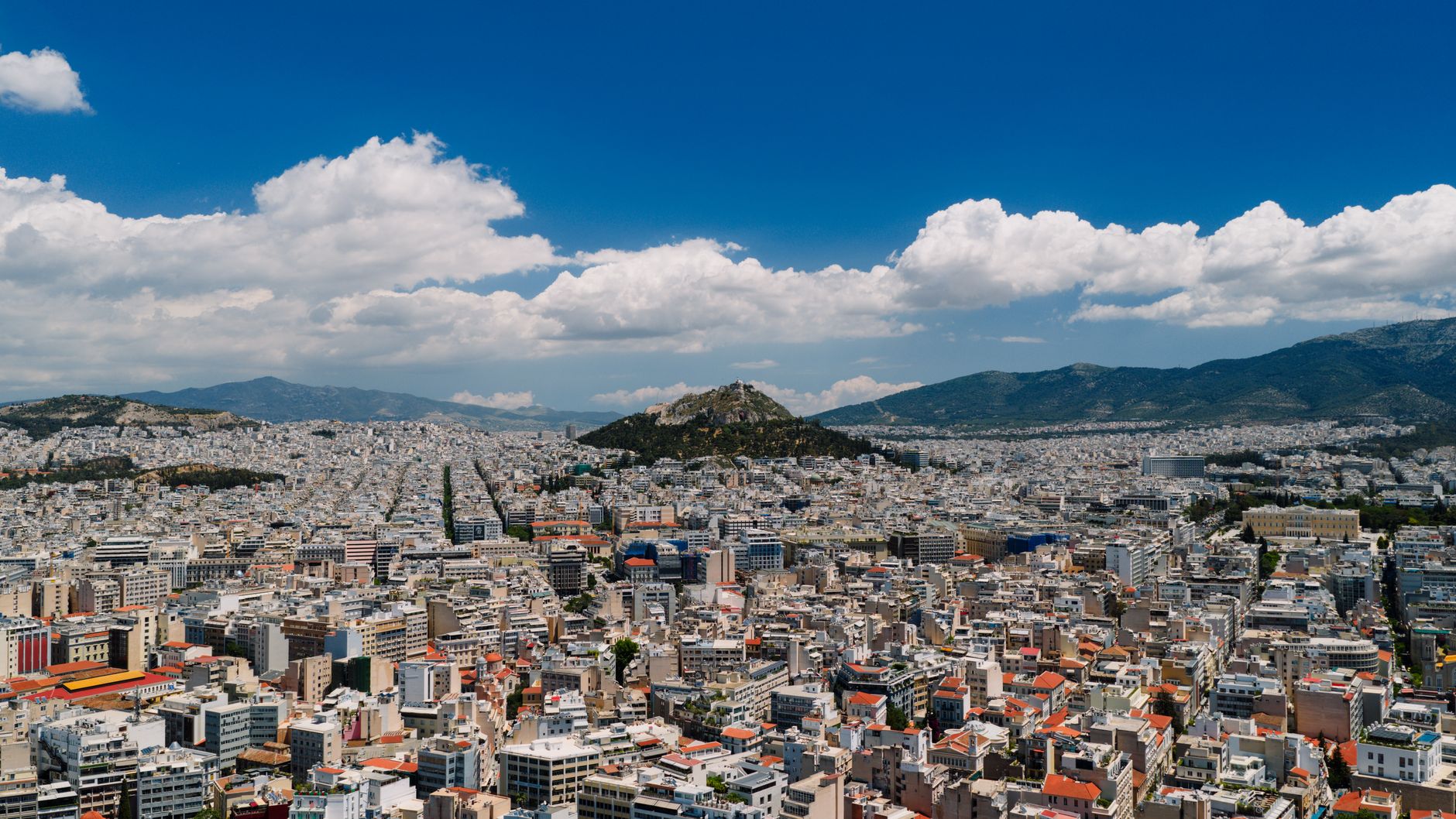
If you’ve spent any time wandering through Anaphiotika Athens and somehow missed it, you’re not alone — most tourists stick to the main Plaka drag, eating overpriced moussaka within eyeshot of the Acropolis. That’s their loss. Tucked into the northeastern slope of the Acropolis rock, Anaphiotika is the closest thing to stepping onto a Cycladic island without leaving the city. White cube houses, bougainvillea spilling over low walls, cats sleeping on warm stone steps. It genuinely feels illegal that this exists inside a capital city of four million people.
What Exactly Is Anaphiotika?
The neighborhood was built in the 1800s by workers from the island of Anafi — hence the name — who came to Athens to help construct the royal palace. Rather than commute, they just… built their own village on the Acropolis hillside, using the same construction style they knew from home. The houses are technically illegal squats that were never demolished, which gives the whole place a slightly outlaw energy I find charming. Today roughly 50 people still live here year-round. You can tell which houses are occupied because there are actual dishes drying by the door and herbs growing in pots that someone clearly waters.
Getting There and When to Go
From Monastiraki metro station it’s about a 15-minute walk uphill through Plaka. Head up Theorias Street and look for the small signs pointing toward Anaphiotika — if you hit a tourist shop selling Parthenon fridge magnets, you’re still on the right track. Just keep going up.
Timing matters here more than people realize. Summer midday in July and August, this neighborhood turns into a slow procession of selfie sticks. Come before 9am or after 6pm and you might have entire alleyways to yourself. I visited on a Tuesday morning in late September 2024 and spent 40 minutes sitting on a doorstep watching a woman water her geraniums before another tourist appeared. That’s the version of Athens worth chasing.
Spring — April and May — is genuinely ideal. Temperatures sit around 18-22°C, everything is flowering, and the light on those white walls in the late afternoon is something else entirely.
What To Actually Do Here
Honest answer: not much, and that’s the point. There are no shops, no cafes, no restaurants inside Anaphiotika proper. The alleys are so narrow two people can barely pass each other. What you do is walk slowly, get slightly lost (impossible to get seriously lost — it’s tiny), and sit somewhere quiet. The views toward Lycabettus Hill and across the Athens rooftops are excellent without the full Acropolis admission fee.
If you want some context before wandering in, a few walking tour operators include Anaphiotika as part of broader Plaka and Athens history tours. I’ve seen good options on GetYourGuide that combine the neighborhood with a local guide who actually explains the Anafi migration story properly — worth it if history gives you more pleasure than just vibing.
The Cats
There are a lot of cats. Athens has always been a cat city, but Anaphiotika has an unusual concentration of them because residents feed them. They’re not feral-aggressive, more lordly and indifferent. Don’t chase them for photos. Sit still and they come to you, which is better anyway.
The Surrounding Area: Making a Half Day of It
After Anaphiotika, come back down into Plaka and be selective. Most of the tavernas on the main streets are tourist traps — you’ll pay €18 for a Greek salad that would cost €6 somewhere else. Instead, walk five minutes to Scholarhio on Tripodon Street, which has been serving decent mezedes since what feels like the Byzantine era. Order the taramosalata and the grilled halloumi. Budget around €25-30 per person with wine.
The Museum of Greek Folk Art on Areos Street is €4 and usually quiet. Small but genuinely interesting collection of traditional costumes and embroidery. Worth an hour. The Acropolis Museum is a 10-minute walk south and you’ll want at least three hours there — book tickets online in advance because the queues in high season are punishing.
For those who want a structured introduction to the whole area, Viator has several Athens walking tours that start in Monastiraki and loop through Plaka and up to Anaphiotika — useful if it’s your first day in the city and you want someone to orient you before you go exploring solo.
Practical Notes for 2026
- Getting in: Free, always open, no tickets required
- Best time to visit: Early morning or evening; avoid midday July-August
- Nearest metro: Monastiraki (lines 1 and 3), 15 minutes on foot
- Wear proper shoes: The cobblestones are uneven and slippery after rain
- Photography etiquette: Residents actually live here — don’t photograph directly into windows or doorways
- Nearest good coffee: Taf Coffee on Emmanouil Benaki Street, about 10 minutes away, consistently excellent espresso around €3.50
One Honest Warning
Anaphiotika has been ‘discovered’ in the Instagram sense and it shows. Weekend afternoons in summer can feel like a queue through someone’s living room rather than a neighborhood. The residents have reportedly complained about this. So be the visitor who moves quietly, doesn’t blast music, and treats the place like someone’s home — which it is. The neighborhood survives because people actually live there. Keep it that way.
🏛 Ready to Book?
Browse verified Athens tours — trusted by over 3.5 million travellers worldwide.
Search Tours on Viator →We earn a small commission at no extra cost to you.
Browse verified Athens experiences — instant confirmation, free cancellation on most tours.
Search Tours on GetYourGuide → We earn a small commission at no extra cost to you.Frequently Asked Questions
More Things to Do in Athens
Beyond food — top-rated experiences with free cancellation & instant confirmation.
Related Articles

Rafina Port & Beaches 2026: Alternative to Piraeus, Ferry Guide & Beach Towns
Rafina port sits just 27km east of central Athens, and for anyone heading to…
Thassos Island Weekend Trip from Athens 2026: Beaches, Hiking & Green Island
Planning a Thassos Island trip from Athens in 2026 is one of the better…
Naxos Island Day Trip from Athens 2026: Beaches, Villages & Kitesurfing
A Naxos day trip from Athens punches way above its weight. Most people assume…