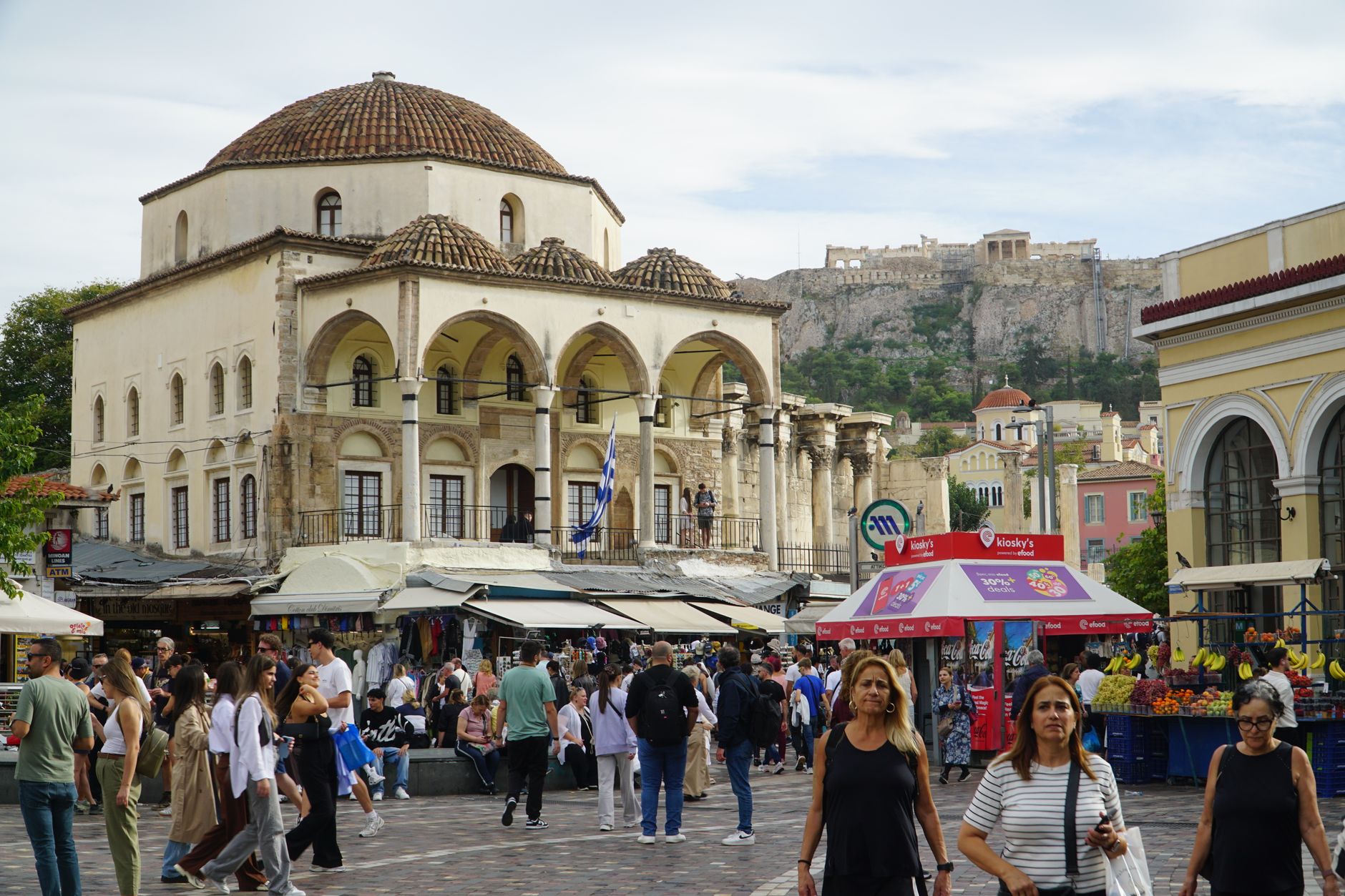
A Gourna pottery village day trip is one of those experiences that sneaks up on you. You go expecting a quick look at some pots, maybe buy a bowl, and leave. Instead you end up three hours deep into a conversation with a fourth-generation ceramicist, clay on your hands, wondering why you ever bothered with the Monastiraki flea market.
Getting There from Athens
Gourna sits in Boeotia, roughly 140km northwest of Athens near the town of Livadeia. The drive takes about 1.5 hours on the E75 motorway — longer if you hit morning traffic leaving Athens, which you absolutely will on a Friday. Budget two hours to be safe. Renting a car from Athens gives you the most flexibility; expect to pay around €45–65 per day for a compact from Hertz or Europcar at the airport in 2026 rates.
No car? There are buses from Liossion terminal (KTEL Viotias) to Livadeia running every couple of hours from around 7:30am. The fare is roughly €12–14 one way. From Livadeia you’ll need a local taxi to reach Gourna itself — about €10–12 and a 15-minute ride. The whole journey is doable, just not particularly elegant.
What to Actually Do There
The Workshops
The village has around eight to twelve working potters depending on the season — several close up between November and February, so spring and summer visits are more rewarding. Most workshops operate Tuesday through Sunday, roughly 9am to 6pm, though hours are genuinely flexible. This is rural Greece. Nobody is watching a clock.
Nikos Papadimitriou’s workshop near the main square is worth finding. He’s been throwing pots for over 30 years using traditional Boeotian techniques — coil-building and wood-firing methods that predate the tourist trade entirely. A one-hour hands-on wheel session with him runs about €25–30 per person and includes taking home a small piece once it’s fired. He’ll ship within Greece; international shipping you’d arrange separately.
Further up the hill, a younger collective called Keramiki Gourna has set up a more structured teaching space. They run half-day workshops (3 hours, around €45) that cover basic throwing, decorating with natural oxides, and glazing. The instruction is in Greek but they’re used to working with non-Greek speakers. Booking ahead via email is sensible in high season — July and August fill up fast.
Buying Directly from Potters
This is honestly the best reason to come. Prices here are a fraction of what you’d pay in Athens galleries or airport shops. A hand-thrown olive oil jug: €15–25. A set of four terracotta mezze plates: €30–40. Larger decorative amphora pieces: €60–120. Compare that to €80 for a single mediocre piece at a Plaka tourist shop and you understand the appeal.
Don’t rush straight to buying. Walk around first, see who’s actually working, and start a conversation. Potters here appreciate curiosity over commerce. If you ask about their process, many will show you their kiln, explain the local clay sources from the nearby hillsides, and occasionally invite you for coffee. That’s not a sales technique — it’s just how things work.
Combining with Nearby Sights
Since you’re already out this way, the ancient ruins at Orchomenos are only 20 minutes from Gourna. The Treasury of Minyas is a Mycenaean tholos tomb comparable to anything at Mycenae, and on most weekdays you’ll have it almost entirely to yourself. Entry is around €4. The contrast between ancient Boeotian craftsmanship and what the village potters are still doing today is genuinely thought-provoking.
Lake Yliki is another 15 minutes east — good for a quiet lunch stop. There are a few tavernas on the waterfront serving grilled fish and local wine. Nothing fancy, completely unpretentious, and a solid way to decompress before the drive back to Athens.
Organised Tours
If driving and logistics feel like too much work, there are guided day trips available through GetYourGuide that include transport from Athens, a guided workshop session, and lunch. These run approximately €85–110 per person all-in and take the navigation stress out of the equation entirely. Check listings in early 2026 as operators update their schedules seasonally.
Some Viator operators combine Gourna with a Delphi stop on the same route, which works geographically since Delphi is only another 50km west. It makes for a long day — leave Athens by 7:30am, realistically — but a genuinely satisfying one.
Practical Logistics
- Best time to visit: April–June or September–October. August is hot, crowded with Greek domestic tourists, and some potters take holiday themselves.
- Cash: Bring it. Several workshops don’t take cards, and the local ATM in Livadeia is more reliable than anything in Gourna itself.
- What to wear: Comfortable clothes you don’t mind getting clay on if you’re doing a workshop. Closed-toe shoes on the uneven village paths.
- Packing purchases: Bubble wrap is available at a few workshops but bring your own if you’re buying fragile pieces. A foldable tote bag is useful too.
- Language: Basic English works fine at most workshops. A few Greek phrases go a long way toward genuine hospitality.
Honest Assessment
Gourna isn’t for everyone. If you need a polished itinerary, a gift shop with price tags, and air conditioning, this isn’t that trip. The village is working and rough around the edges. Some workshops smell like smoke and damp clay. Roads into the upper village are narrow enough to make you nervous. But if you want actual contact with a living craft tradition — not a performance of one — this is one of the more genuine experiences you can have within a day’s reach of Athens.
🏛 Ready to Book?
Browse verified Athens tours — trusted by over 3.5 million travellers worldwide.
Search Tours on Viator →We earn a small commission at no extra cost to you.
Browse verified Athens experiences — instant confirmation, free cancellation on most tours.
Search Tours on GetYourGuide → We earn a small commission at no extra cost to you.Frequently Asked Questions
More Things to Do in Athens
Beyond food — top-rated experiences with free cancellation & instant confirmation.
Related Articles

Mani Peninsula Weekend Trip from Athens 2026: Tower Houses & Dramatic Coastline
What the Mani Peninsula Is Actually Like A Mani Peninsula weekend trip from Athens…
Naxos Island Day Trip from Athens 2026: Beaches, Villages & Kitesurfing
A Naxos day trip from Athens punches way above its weight. Most people assume…

Marathon & Battle of Marathon Day Trip from Athens 2026: History & Beaches
Updated August 2026: Updated August 2026: The coastal road between Marathon town and Schinias…