Why Tanagra Deserves a Day of Your Athens Trip
A Tanagra day trip from Athens takes you about 70 kilometers northwest into Boeotia, a region most tourists skip entirely — which is honestly part of its appeal. This is where the ancient Greeks produced those delicate terracotta figurines that ended up in museums from London to New York, and there’s something quietly satisfying about seeing the actual landscape where all that happened.
Tanagra itself is a small, unassuming town. Don’t expect a polished heritage circuit with signs pointing you from one site to the next. What you get instead is a genuine archaeological museum, some excavated remains on the edge of town, and the feeling that you’ve wandered into a place that exists for Greeks, not tourists. That’s increasingly rare when you’re based in Athens.
Getting There from Athens in 2026
The most straightforward option is driving. Rent a car from Athens and take the A1 motorway toward Thessaloniki, then branch off toward Schimatari — total drive is around 75 minutes depending on where you start in Athens. Parking near the museum area is free and easy.
If you’re doing it by public transport, take the KTEL bus from Athens’ Liosion terminal (Terminal B) toward Thebes. Get off at Schimatari and then either take a local taxi or walk roughly 3 kilometers to the town center. The bus runs several times daily and costs about €8 each way. It’s doable but adds logistics, so honestly, renting a car or joining an organized day tour is the more relaxed approach. Platforms like GetYourGuide occasionally list small-group Boeotia day trips that include Tanagra alongside nearby sites like Thebes — worth checking if you want someone else to handle the driving.
The Archaeological Museum of Tanagra
This is the main reason to make the journey. The museum reopened after restoration work and it’s in genuinely good shape now — well-lit displays, decent English labeling, and enough room to move around without bumping into other visitors because, again, very few people come here.
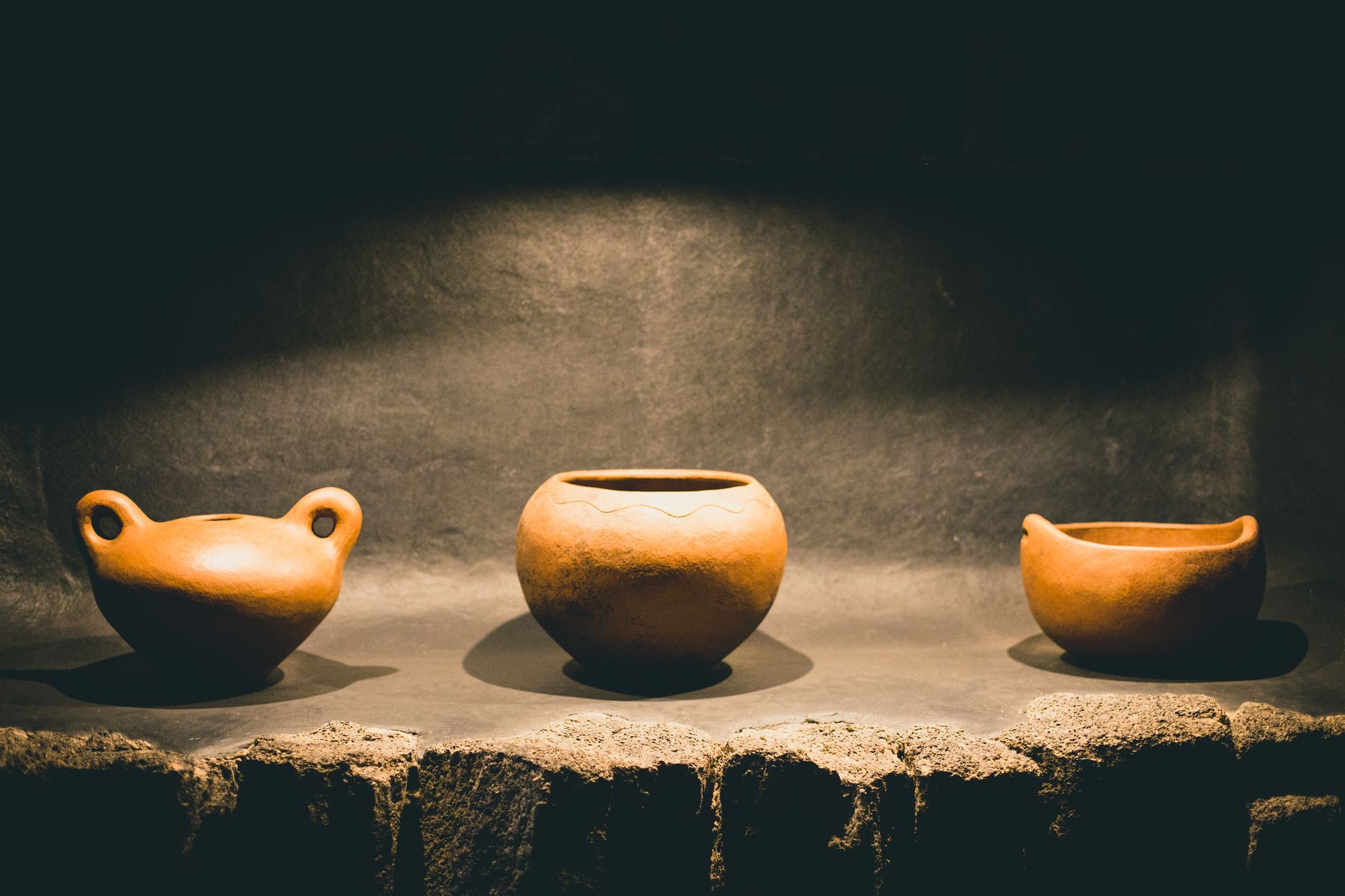
The collection is anchored by the famous Tanagra figurines — small terracotta statuettes of women in draped clothing, made during the 4th and 3rd centuries BC. The originals are mostly scattered across international collections because the site was heavily looted in the 19th century, but the museum has substantial pieces and does a solid job explaining how they were made and what they meant to the people who buried them with their dead.
Beyond the figurines, there are ceramics, funeral vessels, jewelry, and some architectural fragments. Set aside about 90 minutes. Admission was around €4 as of late 2025 — expect similar pricing in 2026. The museum closes on Mondays.
What You’ll Actually See at the Archaeological Site
The ancient city remains are spread across a low hill just outside modern Tanagra. There are excavated sections of fortification walls, some tomb structures, and the general outline of the ancient settlement. It’s not Delphi — nothing is standing dramatically tall — but if you enjoy the process of reading a landscape and imagining what was there, this works well. Bring water, wear shoes with some grip, and go in the morning before it gets hot. There’s no shade worth mentioning.
Combining Tanagra with Other Stops
Since you’re already out in Boeotia, it makes sense to combine Tanagra with a couple of nearby places rather than treating it as a single-purpose excursion.
- Thebes (Thiva): About 20 kilometers further northwest. The local museum has strong Mycenaean material and some of the best Bronze Age finds in Greece. The town itself is unremarkable but the museum is worth an hour.
- Lake Yliki: A large reservoir lake between Tanagra and Thebes with some decent spots to stop for lunch. Nothing fancy, just local tavernas near the water with grilled fish and cold Mythos.
- Aulis: Down toward the coast, this is where Agamemnon’s fleet supposedly assembled before sailing to Troy. There’s a small sanctuary site and a harbor view. Good for people who like standing in places of mythological weight.
If you want someone to plan this multi-stop Boeotia day for you, Viator has some private tour options from Athens that cover this region — useful if archaeology isn’t your specialty and you want a guide who can put context around what you’re looking at.
Where to Eat and Practical Notes
There are a few tavernas in Tanagra town that do straightforward Greek lunches — grilled meats, horiatiki salad, fried zucchini. Nothing memorable but nothing bad. Budget around €12–15 per person with a beer. Don’t arrive expecting a restaurant scene; this is a working Greek town with a butcher, a hardware store, and a place where old men drink coffee.
The best time to visit is spring — April and May — when the Boeotian countryside is green and the weather is mild. Summer works if you go early and leave by early afternoon. Avoid visiting on a Monday when the museum is closed, because without the museum the trip loses most of its purpose.
One honest caveat: if you’re the kind of traveler who needs a lot of infrastructure — tour guides at every corner, gift shops, cafes with oat milk — Tanagra will frustrate you. But if you’re curious about ancient Greek daily life beyond the Parthenon narrative, and you don’t mind a bit of self-directed exploration, this is exactly the kind of day trip that tends to stay with you long after the more obvious sights have blurred together.
🏛 Ready to Book?
Browse verified Athens tours — trusted by over 3.5 million travellers worldwide.
Search Tours on Viator →We earn a small commission at no extra cost to you.
Browse verified Athens experiences — instant confirmation, free cancellation on most tours.
Search Tours on GetYourGuide → We earn a small commission at no extra cost to you.Frequently Asked Questions
More Things to Do in Athens
Beyond food — top-rated experiences with free cancellation & instant confirmation.
Related Articles

Marathon & Battle of Marathon Day Trip from Athens 2026: History & Beaches
Updated August 2026: Updated August 2026: The coastal road between Marathon town and Schinias…

Gourna Pottery Village Day Trip from Athens 2026: Ceramics & Artisan Workshops
Updated August 2026: Updated August 2026: The village workshops have adjusted their summer hours…

Mani Peninsula Weekend Trip from Athens 2026: Tower Houses & Dramatic Coastline
What the Mani Peninsula Is Actually Like A Mani Peninsula weekend trip from Athens…