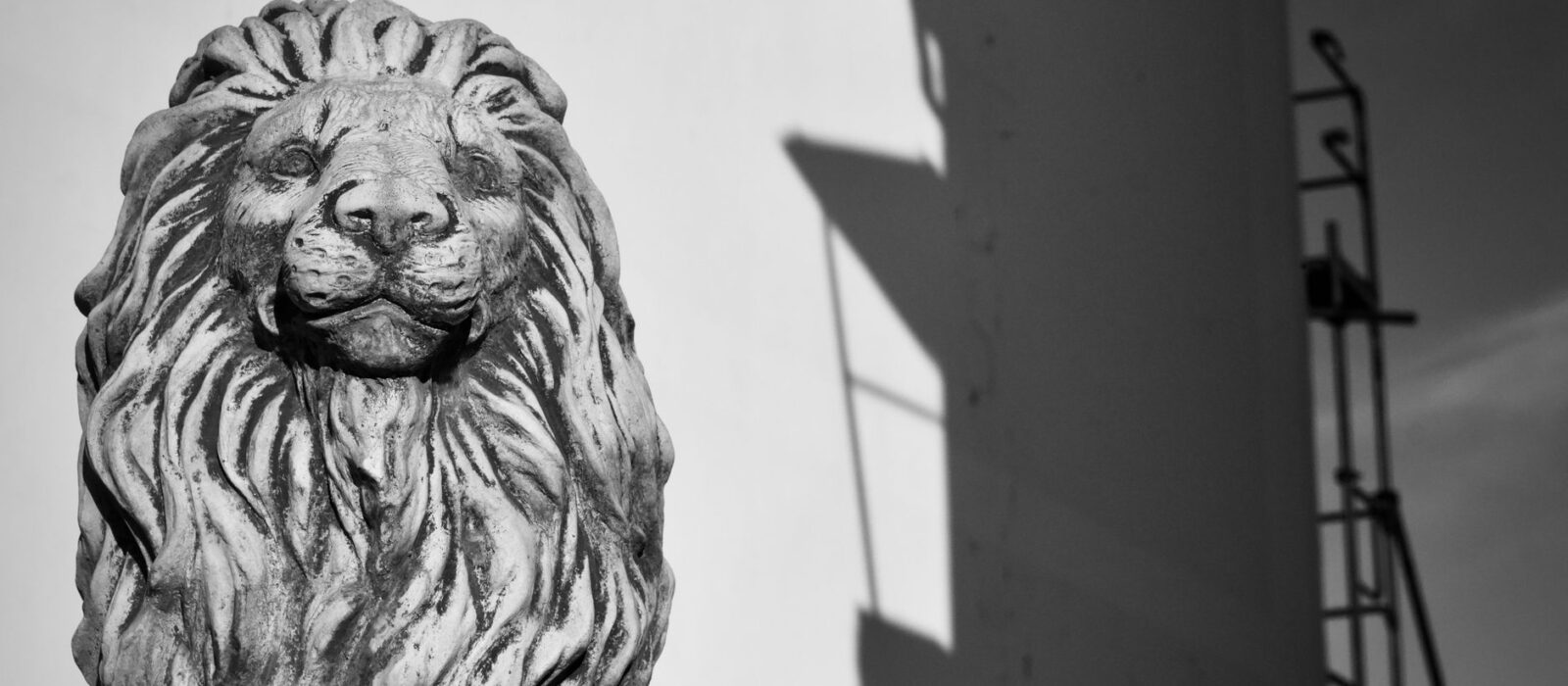
What a Kea Island Day Trip from Athens Is Actually Like
A Kea island day trip is one of the few genuinely low-key Cycladic escapes within reach of Athens — roughly 1.5 hours by ferry from Lavrio port, which itself sits about 60km southeast of the city centre. Unlike Mykonos or Santorini, Kea (also called Tzia) draws a mostly Greek crowd, which means quieter beaches, unpolished tavernas, and no cruise ships dumping thousands of passengers at noon. The main event for most visitors is the hike to the ancient Lioness of Kea, a 6th-century BC carved granite sculpture set into a hillside above the capital, Ioulis. But the island layers on top of that: small-production wineries reviving indigenous grape varieties, coves accessible only on foot or by boat, and a stone-paved chora that hasn’t been Instagram-renovated into blandness. Expect a slow pace, patchy English menus, and very limited ATM access once you leave the port town of Korissia. This is not a polished package-tour destination — and that’s exactly the point.
Who It’s For (and Who Should Skip It)
The hike to the Lioness is manageable for most reasonably fit adults and older children. The trail from Ioulis runs roughly 1.5km each way with around 80–100 metres of elevation change over rocky, uneven stone paths. Sturdy footwear is non-negotiable — sandals will cause problems. Fitness level: moderate. Age minimum: around 8 years old with adult supervision. Anyone with significant knee or hip issues should weigh the return descent carefully, as the path is steep in places.
Those hoping for a lively nightlife scene, luxury beach clubs, or guaranteed English-speaking staff will be disappointed. Kea shuts down early and moves at its own pace. Solo travellers relying entirely on public transport will also find the island’s single bus line limiting — it runs infrequently and doesn’t reach most beaches. Renting a quad or scooter from Korissia (around €35–50 per day in 2025, likely similar in 2026) or joining an organised day tour through platforms like GetYourGuide is the practical solution for most first-timers.
What It Costs
The Lavrio–Kea ferry (operated by Hellenic Seaways or Aegean Speed Lines) costs approximately €16–22 each way per adult in 2025; expect marginal increases in 2026. A round-trip bus or metro from central Athens to Lavrio adds another €6–10. Budget €40–60 per person for the ferry round trip plus transport to the port, before you factor in food and activities on the island.
Get the Free Athens Locals' Guide
The 50 things actually worth your time in Athens — tavernas locals keep to themselves, quiet viewpoints, and how to skip the Acropolis queues.
Organised day tours from Athens — including transport to Lavrio, ferry tickets, a guide, and sometimes a winery stop — typically run €85–130 per person through Viator or similar operators. These save planning headaches but offer less flexibility. On the island, a taverna lunch runs €14–22 per person. Winery tastings at places like Oenoscent or smaller family estates cost €10–18 for a flight of local varieties including Savvatiano and Assyrtiko. Scooter or quad rental adds €35–50. A realistic full-day budget for an independent traveller is €80–120 per person all-in, excluding the Athens hotel.
What’s Included and What to Bring
Pros
- One of the few Cycladic islands with almost no mass tourism — genuinely Greek atmosphere
- The Lioness of Kea is an ancient, uncommercialized site with real historical atmosphere
- Accessible from Athens without flying — ferry from Lavrio takes about 1 hour
- Beaches, wine, and hiking combine naturally into a full day without feeling rushed
Cons
- Very limited public transport on the island makes a scooter or organised tour almost essential
- No hospital on Kea — medical emergencies require coastguard evacuation to the mainland
- Summer midday heat on the exposed Lioness trail is genuinely dangerous without early starts and ample water
- ATMs in Korissia frequently run dry on busy weekends — cash must be brought from Athens
If Booking an Organised Tour
- Return ferry tickets from Lavrio
- Transport from central Athens to Lavrio port
- English-speaking guide for the Lioness hike
- Sometimes: one winery visit or light lunch (check carefully — many tours list these as optional add-ons)
What to Bring Yourself
- Cash in euros — the single most forgotten item. ATMs in Korissia run out over summer weekends and may charge high fees
- Hiking shoes or closed-toe trainers (the Lioness trail is rocky)
- Sun protection: hat, SPF 50+, sunglasses — the path to the Lioness is exposed and has almost no shade
- A full water bottle (1.5L minimum) — shops near the trailhead are limited
- A light layer for the ferry, which can be windy even in July
- Swimwear and a small towel for an afternoon beach stop at Gialiskari or Koundouros
Choosing an Operator
Not all Athens-to-Kea tours are equal. The difference between a good operator and a cheap one shows up in three areas: guide knowledge, group size, and what happens when the ferry schedule changes.
Look for operators who cap group sizes at 12–15 people for the hike portion. Larger groups on the Lioness trail become unwieldy on narrow paths and create bottlenecks at the sculpture itself. Ask directly whether the guide is a licensed Greek tour guide (carrying an official GNTO card) or simply a local driver who narrates loosely — the difference in contextual knowledge is significant.
Check what the cancellation policy covers if sea conditions delay or cancel the ferry. Legitimate operators will rebook or refund; budget options often don’t. Viator listings for Kea day trips show operator ratings and cancellation terms clearly, which makes comparison easier than booking through individual websites.
For independent travellers, the Kea Municipality website lists licensed local guides available for private hikes (roughly €60–90 for a 2-hour guided walk). A hybrid approach — organise your own ferry, hire a local guide on the island, and rent a scooter — often delivers better value and more flexibility than a packaged Athens tour.
Best Time of Day and Year
May, June, and September offer the best conditions: warm enough for swimming, cool enough for hiking, and far less crowded than July and August. The Lioness trail in peak summer (mid-July to late August) is brutal between 11am and 4pm — temperatures on the exposed hillside can exceed 38°C and there’s virtually no shade.
Start the hike by 8:30–9am at the latest if visiting in summer. The morning light also hits the sculpture from a more flattering angle for photography. Ferry crossings are rougher in spring due to variable Aegean winds; the summer Meltemi creates choppy conditions from late July onwards, occasionally delaying the fast ferry.
Avoid Greek public holidays (particularly Assumption Day on 15 August) when Athenians flood Kea and accommodation, tavernas, and parking all fill days in advance.
Safety and Honest Warnings
The main physical risk on Kea is heat-related. The path to the Lioness is exposed limestone with no shelter, and heat exhaustion is a real concern for anyone hiking after 10am in July or August without adequate water. Two litres of water per person is the sensible minimum in summer, not 1.5L.
The ferry crossing can be rough. Anyone prone to seasickness should take medication before boarding at Lavrio — the fast catamaran in choppy Meltemi conditions is uncomfortable even for experienced ferry travellers.
Scooter and quad accidents account for a meaningful share of tourist injuries across the Cyclades each year. Roads on Kea are narrow, poorly marked, and shared with farm vehicles. Riding without a licence or without prior experience on two wheels is genuinely dangerous, not a bureaucratic concern.
There is no hospital on Kea — only a small medical centre in Ioulis. Serious medical emergencies require coastguard evacuation to the mainland. Travel insurance covering medical evacuation is not optional here.
Is It Worth Booking?
For anyone who finds the main Cycladic islands exhausting — overpriced, overcrowded, and curated entirely for tourism — Kea offers a credible alternative within the same ferry-trip distance. The Lioness alone justifies the effort: it’s an ancient, weather-worn sculpture sitting in open countryside with almost no visitor infrastructure around it, which makes it feel genuinely discovered rather than managed.
At €80–120 per person for an independent trip, it compares favourably to a Santorini day excursion at €150–200+, with a far more authentic experience. The organised tour route (€85–130) makes sense for first-timers or those with limited time to plan logistics. Book early for summer 2026 — the ferry fills on weekends.
Hungry for more? Our sister site FoodTourTrails has an in-depth Athens food guide — souvlaki, mezedes, the markets locals love, and food tours worth booking.
Frequently Asked Questions
How do I get from Athens to Kea Island?
How long does the hike to the Lioness of Kea take?
Can you do Kea as a day trip without a car or scooter?
Are there good beaches on Kea worth visiting?
What wine is Kea known for, and can you visit wineries?
More Things to Do in Athens
Top-rated experiences with free cancellation and instant confirmation.
Related Articles
Planning a Thassos Island trip from Athens in 2026 is one of the better decisions you can make…
A Thermopylae day trip from Athens is one of those experiences that actually delivers on the history hype…
What the Mani Peninsula Is Actually Like A Mani Peninsula weekend trip from Athens delivers something genuinely different…