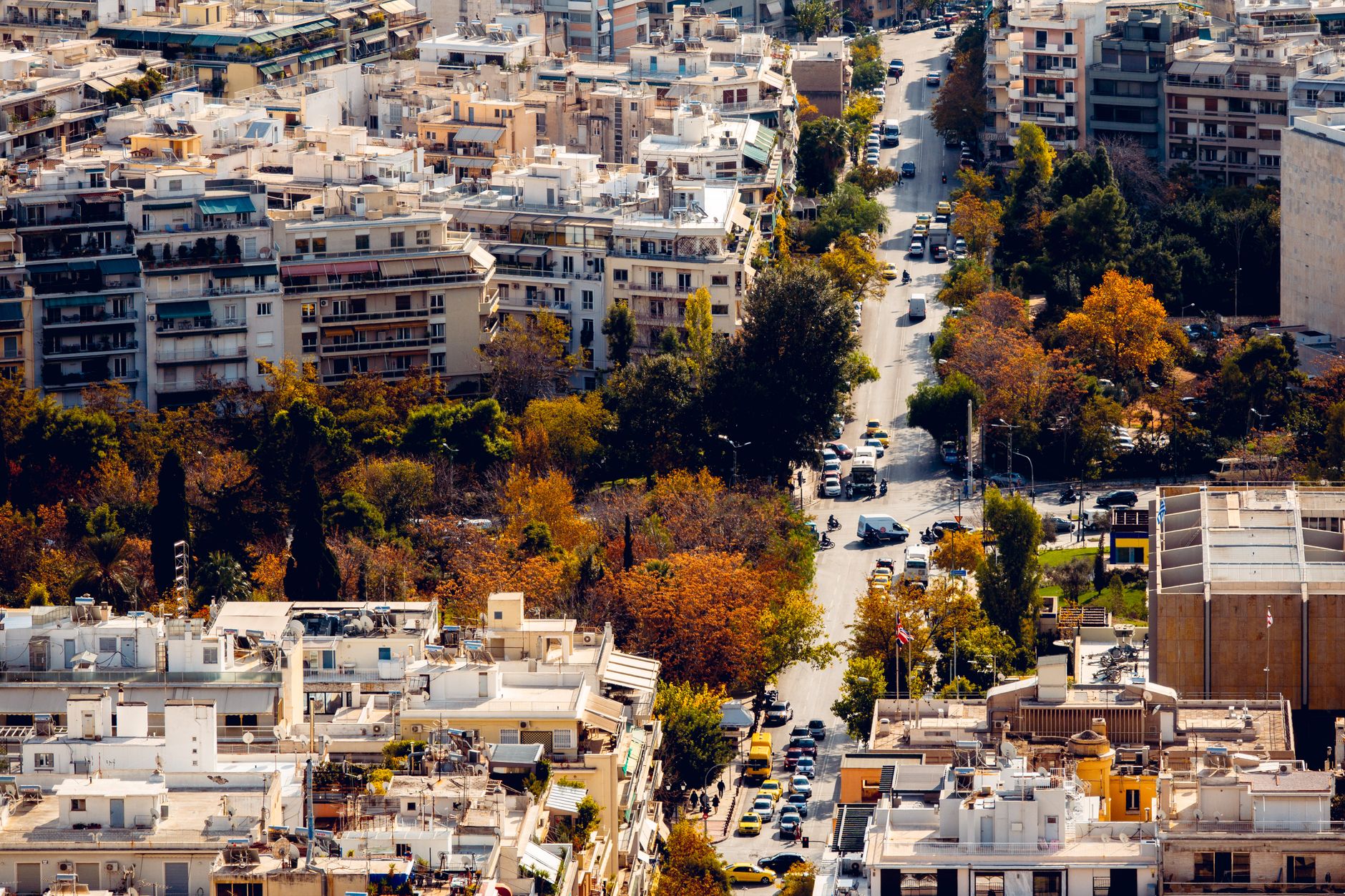
What the Mani Peninsula Is Actually Like
A Mani Peninsula weekend trip from Athens delivers something genuinely different from the island-hopping circuit — but it also requires an honest expectation reset. This is not manicured Greece. The landscape is bone-dry, thorny, and unforgiving, stitched with stone walls and punctuated by medieval tower houses that were built for war, not tourism. Villages like Vathia sit almost entirely abandoned, their towers bristling against a bleached sky. Roads through the Deep Mani narrow to single lanes with sheer drops beside them. Petrol stations become rare below Areopoli. What surprises most visitors is how genuinely remote it feels — only four hours from central Athens, yet a world that appears to have been largely bypassed by the 21st century. The tavernas are sparse, the beaches are pebbly and cold-water wild, and the silence in the interior is the loudest thing around.
Where Exactly Is the Mani Peninsula?
The Mani occupies the central of the three fingers of the Peloponnese, jutting south into the Mediterranean between the Messenian and Laconian gulfs. Areopoli, the informal gateway town to the Deep Mani, sits roughly 300 km southwest of Athens by road. Gytheio, a port town that makes a comfortable base, is about 50 km north of Areopoli. The southernmost point, Cape Tenaro — one of the southernmost points of mainland Europe — is around 70 km south of Gytheio. From Sparta it is about 90 km to Areopoli. The peninsula divides into the Exo (Outer) Mani in the north and the Mesa (Inner or Deep) Mani in the south; the tower houses that define the region become denser the further south you travel.
How to Get There
Driving is by far the most practical option for a weekend trip. From Athens, take the E65 motorway toward Tripoli, then head south via Sparta or Kalamata. Budget around 3.5 to 4 hours depending on traffic leaving the city. Car hire in Athens for a weekend runs roughly €60–€100 total, and a small hatchback handles most Mani roads fine — though a higher clearance helps on the roughest tracks toward Cape Tenaro. Tolls from Athens to the Peloponnese add around €15 each way.
Public transport exists but is slow and infrequent. KTEL buses connect Athens (Kifissos terminal) to Gytheio once or twice daily; the journey takes 4.5–5.5 hours and costs around €25–€30 one way. From Gytheio, local buses to Areopoli and deeper into the Mani run only a few times per week and times shift seasonally — check KTEL Lakonias directly before you go. Taxis from Gytheio to Areopoli cost approximately €35–€45.
Get the Free Athens Locals' Guide
The 50 things actually worth your time in Athens — tavernas locals keep to themselves, quiet viewpoints, and how to skip the Acropolis queues.
Organised day tours from Athens through platforms like GetYourGuide or Viator cover highlights in a single long day, typically €90–€130 per person including transport. That works for a taster but the Deep Mani genuinely rewards an overnight stay — you lose the light entirely on a same-day return.
What to Expect When You Arrive
Areopoli is the practical hub: a small, unhurried town with a central square, a handful of tavernas, a pharmacy, and a couple of guesthouses. ATMs exist here — do not count on finding one further south. The tower village of Vathia, often photographed, has no services at all; it is a walk-around-and-stare experience only.
The Diros Caves (Vlychada Cave) near Pyrgos Dirou are the region’s most visited attraction — boats glide through underground chambers for roughly 25–30 minutes. Entry in 2025 was around €15 for adults; expect similar in 2026. Arrive early: queues in summer regularly exceed two hours and there is no reservation system in place as of early 2026 — confirm this before you travel.
Beaches like Stoupa (in the Outer Mani) have sunbeds, cafes, and showers. Deeper south, beaches such as Porto Kagio are far wilder — bring water, shade of your own, and food. Toilet facilities at remote spots are either non-existent or basic. Petrol: fill up in Areopoli or Gytheio without question.
Best Time to Visit
May, June, and September are the sweet spots. Summer heat in the Deep Mani is punishing — temperatures above 38°C are common in July and August, the terrain provides almost no shade, and the dark stone of the tower villages radiates heat like a furnace. The Diros queues also peak in August. Spring brings wildflowers in the scrub and the sea is swimmable by late May. September stays warm enough for swimming while the crowds thin considerably after the first week.
For the tower villages, morning light is better for photography — Vathia faces west and the late afternoon glow on the towers is atmospheric, but that means navigating the narrow approach road in fading light on the return. Arrive by 9am if visiting in summer to beat both heat and tour groups.
Honest Crowd Assessment
The Mani is not overrun in the way that Santorini or Mykonos is, but do not expect solitude at the headline spots in peak season. The Diros Caves draw coachloads throughout July and August. Stoupa beach in the Outer Mani becomes a crowded, sunbed-saturated strip that could be almost anywhere in Mediterranean Europe. Vathia sees day-tripper surges mid-morning, then empties by late afternoon. The real crowds thin dramatically south of Gerolimenas. If you travel in the second half of September or in late October — when the light is extraordinary and the temperatures manageable — you can have the tower villages almost to yourself. Winter is quiet to the point of eerie; many tavernas close entirely between November and March.
Practical Details for 2026
- Drive time from Athens: 3.5–4 hours without stops
- Diros Caves entry: approximately €15 adults (no advance booking as of early 2026 — verify before visiting)
- KTEL bus Athens–Gytheio: €25–€30 one way, 4.5–5.5 hours
- Car hire (Athens, weekend): approximately €60–€100 depending on vehicle class
- Motorway tolls each way: approximately €15
- Petrol: fill up in Gytheio or Areopoli — do not rely on finding fuel further south
- ATMs: available in Gytheio and Areopoli; none in Deep Mani villages
- Mobile signal: patchy to nonexistent below Gerolimenas
- Accommodation in Areopoli: guesthouses from roughly €70–€120 per night for a double
- Download offline maps before you leave — Google Maps loses signal regularly in the south
Is It Worth It?
For the right traveller, absolutely. The Mani Peninsula offers a genuinely different face of Greece — austere, historically layered, and visually striking in ways that have nothing to do with blue domes or sunset cocktails. The tower villages, the cave system, Cape Tenaro, and the wild southern coastline justify the drive.
Who should skip it: anyone expecting easy resort comfort, reliable restaurant hours, sandy beaches with facilities, or a trip that works without a car. If your idea of a Greek weekend involves a pool, good road access to restaurants, and reliable wifi, the Mani will frustrate. But if you are drawn to landscapes that feel genuinely unpolished and a history that goes back to Byzantine feuds, it earns its reputation.
Frequently Asked Questions
How long does it take to drive from Athens to the Mani Peninsula?
Can you visit the Mani Peninsula without a car?
Do you need to book the Diros Caves in advance?
What is the best base for exploring the Mani Peninsula?
Is the Mani Peninsula suitable for families with young children?
More Things to Do in Athens
Top-rated experiences with free cancellation and instant confirmation.
Related Articles
A Gourna pottery village day trip is one of those experiences that sneaks up on you. You go…

A Day Trip Worth Taking Planning a Marathon day trip from Athens in 2026 might be one of…
A Naxos day trip from Athens punches way above its weight. Most people assume you need a week…