Athens Botanical Garden — What You Actually Need to Know
The Athens botanical garden offers one of the quietest, most genuinely restorative corners in a city that rarely slows down. Located inside the National Garden, just steps from Syntagma Square, this green space is free to enter, open daily from sunrise to sunset, and contains over 7,000 plant species spread across roughly 15.5 hectares. Most visitors walk straight past it on the way to the Zappeion or the Temple of Olympian Zeus. That’s their loss. The botanical section — distinct from the broader park — houses labeled collections of Mediterranean flora, succulents, ferns, and rare endemic species from Greek islands that you won’t see cultivated anywhere else in Athens. It’s a place that rewards slow, deliberate walking rather than a quick loop.
The Plant Collections: What’s Actually Worth Seeking Out
The National Garden’s botanical collections are organized loosely rather than in the rigid grid style of some European botanical institutions, which gives the space a more naturalistic feel — though it can make finding specific sections less obvious without a map. Pick one up at the main entrance on Vasilissis Sofias Avenue; staff occasionally hand them out, though supply is inconsistent.
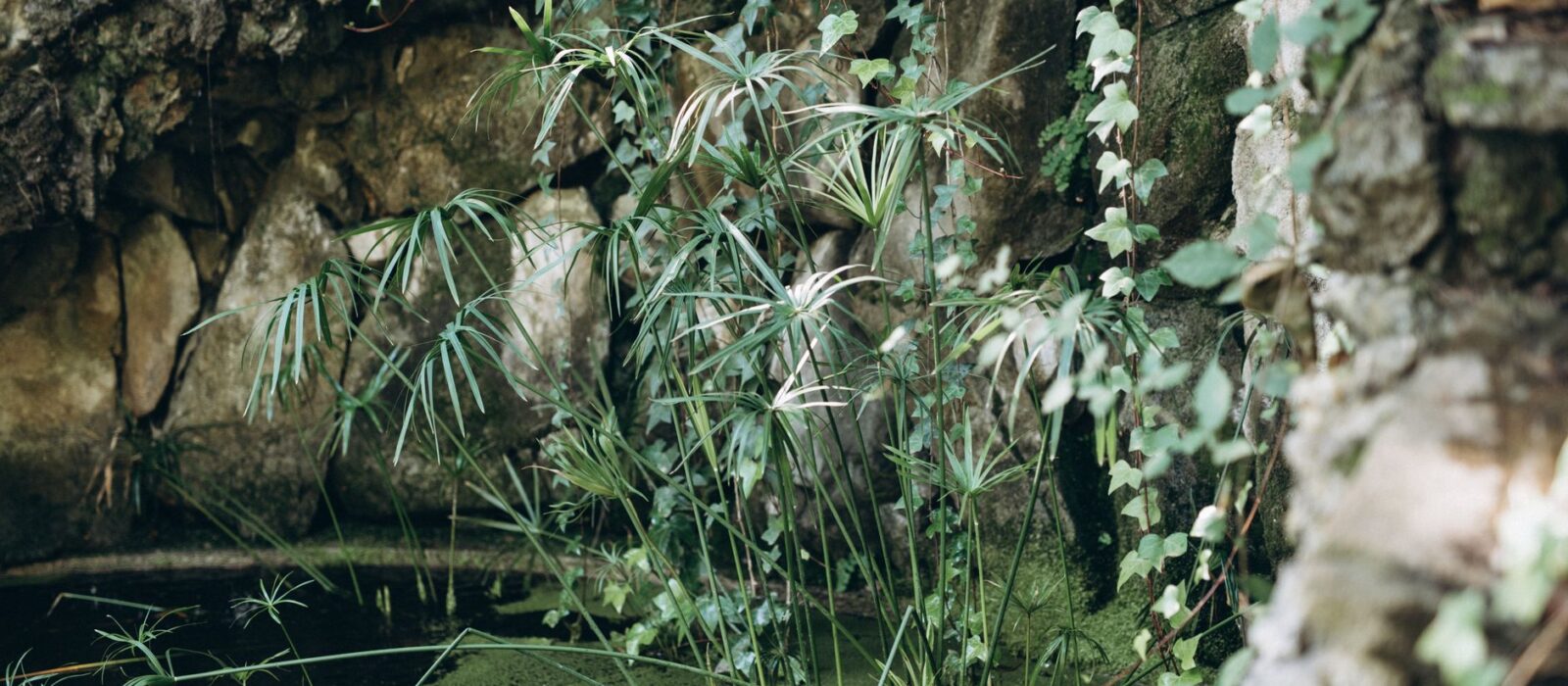
The Mediterranean collection is the core attraction, featuring olive, carob, and mastic trees alongside aromatic herbs like oregano, thyme, and sage grown in labeled beds. The succulent and cactus section near the southern end is compact but well-maintained, with species from both Greece and North Africa. For something rarer, look for the small pond area that supports aquatic and semi-aquatic plants including water lilies and bulrush varieties — it’s a genuinely peaceful spot, particularly on weekday mornings before 10am when foot traffic is minimal.
The garden also maintains a collection of endemic plants from the Aegean islands, some of which face habitat pressure in the wild. Interpretive signage has improved in recent years and most labels now include both Greek and Latin names, with English descriptions on a portion of the exhibits.
Get the Free Athens Locals' Guide
The 50 things actually worth your time in Athens — tavernas locals keep to themselves, quiet viewpoints, and how to skip the Acropolis queues.
Walking the Paths: Routes and What to Expect
The National Garden has several entry points, but for the botanical sections specifically, the Vasilissis Sofias entrance (near the Hellenic Parliament) and the Irodou Attikou entrance both drop you close to the most interesting plant areas. The internal path network is shaded by mature trees — plane, palm, and cypress — which makes afternoon visits bearable even in July and August when Athens hits 35–38°C regularly.
A thorough loop of the botanical areas takes about 45–60 minutes at a relaxed pace. Add another 30 minutes if you want to sit in the pond garden or explore the small zoo enclosure (home to ducks, turtles, and a few peacocks) that sits adjacent to the main collections. The paths are mostly level and paved with gravel or stone, manageable for strollers and those with limited mobility, though some narrower side routes are uneven.
Early morning visits — before 9am — offer genuine quiet and decent light for photography. By 11am on weekends, school groups and families with children fill the main paths. If you want to combine the garden with a broader Athens green-spaces tour, Viator and GetYourGuide both list guided walking tours that include the National Garden as a stop alongside Kolonaki and the Panathenaic Stadium area; these run approximately €25–35 per person and suit travelers who prefer structured context over self-guided wandering.
Practical Notes for 2026
Entry: Free. The National Garden — including the botanical sections — charges no admission fee. The small zoo area inside is also free.
Hours: Open daily from sunrise to sunset. In summer months (June–August), that means gates open around 6am and close around 8:30–9pm. Winter hours are shorter; check current times on the City of Athens website before visiting.
Getting there: Metro line 2 (red line) to Syntagma Station, then a 3-minute walk south along Vasilissis Sofias or Amalias Avenue. No dedicated parking inside; street parking nearby is unreliable.
What to bring: Water — there are no cafés or vending machines inside the botanical area itself, though a small kiosk operates near the Zappeion entrance. Comfortable shoes matter more than you’d expect; the stone paths are slippery when wet.
Accessibility: Main paths are accessible; inner botanical trails less so. No guided audio tour currently available on-site, though third-party tours bookable via GetYourGuide include garden commentary.
Frequently Asked Questions
Is the Athens botanical garden free to enter in 2026?
What is the best time of day to visit the Athens botanical garden?
How do I get to the National Garden from Syntagma Square?
Are there guided tours of the Athens botanical garden available?
What rare or unusual plants can you see in the Athens botanical garden?
More Things to Do in Athens
Top-rated experiences with free cancellation and instant confirmation.
Related Articles

Lycabettus Hill rises 277 metres above central Athens, and it holds one card the Acropolis simply can’t play:…

Athens in November: The City Finally Exhales July means a sweaty Acropolis climb at 11am, long waits for…

When the sun finally drops below the horizon and the Acropolis lights up against a darkening sky, Athens…