How We Picked These
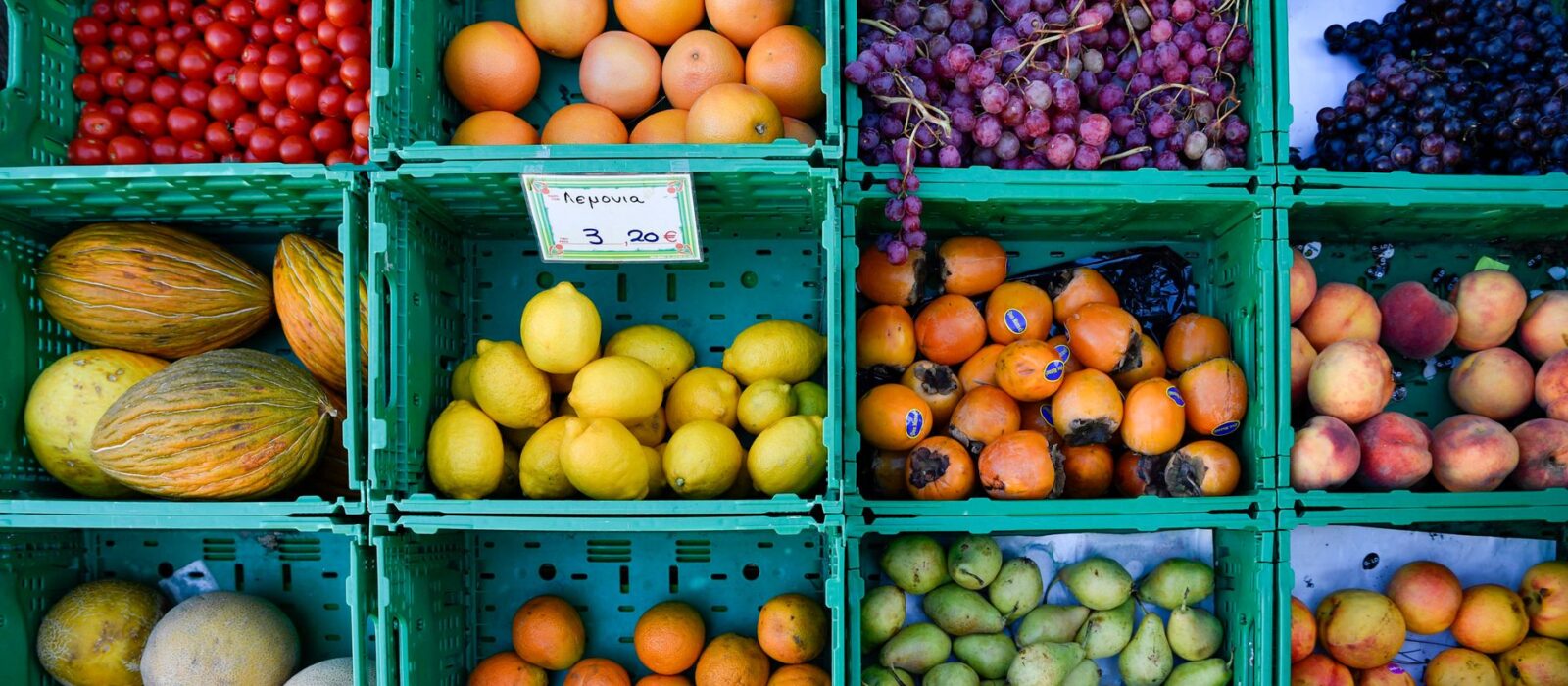
Athens weekly markets — the laiki agorai — run in almost every neighborhood, but not all of them are worth rerouting your day for. To build this list, the focus was on markets with genuine variety, reasonable prices, and at least some character beyond rows of identical plastic kitchenware. Markets that had shrunk significantly post-pandemic, or that were dominated by resellers hawking factory-farmed produce, didn’t make the cut. The ones here were chosen because each serves a distinct neighborhood with its own personality, operates on a consistent weekly schedule, and offers something specific you won’t find at the supermarket or the tourist shops around Monastiraki. Flea markets and antique bazaars are covered elsewhere — this guide is strictly the food-and-goods street markets that Athenians actually shop at.
Laiki Agora Kolonaki (Xenokratous Street)
Athens' most upscale street market, with produce quality to match.
Top PickThe Friday market on Xenokratous Street in Kolonaki runs along a pleasant pedestrian stretch that connects the neighborhood to the foot of Lycabettus Hill. Because the surrounding area is one of Athens' wealthiest, the vendors here stock accordingly — heritage tomato varieties, organic greens, aged local cheeses wrapped in paper, and small-batch honey from Attica beekeepers. Prices are noticeably higher than markets in working-class neighborhoods, but the quality gap justifies it for items like cured meats and specialty olives.
The market runs every Friday from roughly 07:30 to 14:00. It's compact enough to cover in an hour, which makes it an easy addition to a morning that includes the nearby Benaki Museum. Don't overlook the herb sellers at the far end of the street — bundles of dried mountain tea, sage, and oregano make compact, useful gifts and cost EUR 1–3 each.
Laiki Agora Kypseli (Fokionos Negri Street)
High-volume, diverse market in Athens' most multicultural neighborhood.
Kypseli has been Athens' most cosmopolitan inner-city neighborhood for decades, and the Saturday market on and around Fokionos Negri Street reflects that. Alongside the standard Greek produce — blood oranges in winter, watermelons by June — you'll find North African spice vendors, Filipino grocery stalls, and Eastern European pickle sellers operating alongside lifelong Athenian farmers. It's noisier and more chaotic than the Kolonaki market, and considerably cheaper.
The Saturday market here draws a heavy local crowd, which means the atmosphere is authentic in the way that tourist-facing markets rarely manage. Get there by 08:30 to avoid the crush around the best cheese and olive vendors. The surrounding neighborhood is worth an extra half hour of wandering — the Art Deco apartment blocks on Fokionos Negri are some of the best-preserved in Athens, and several good cafés open early on the side streets.
Laiki Agora Exarchia (Kallidromiou Street)
Saturday market with a counterculture edge and exceptional olive oil vendors.
The Kallidromiou Street market in Exarchia runs on Saturday mornings and is smaller than its reputation suggests — but what it lacks in scale it compensates for in personality. The neighborhood's political character (Exarchia has long been associated with anarchist and leftist communities) means vendors here are more likely to sell cooperatively produced goods, organic certifications are more common, and you'll see handwritten signs explaining provenance in unusual detail for a street market.
The olive oil selection is particularly strong, with several vendors selling single-estate oils from the Peloponnese and Crete in quantities as small as 250ml — practical for travelers who can't carry a full tin. Arrive by 09:00; the market is largely done by 12:30. Kallidromiou's café strip is lively by mid-morning, so pair the market visit with breakfast at one of the tables that spill onto the street.
Laiki Agora Pagkrati (Plateias Varnava)
Friday market beloved by locals for price and variety, rarely visited by tourists.
Pagkrati is the kind of residential neighborhood that doesn't appear on most visitor itineraries, which is exactly what makes its Friday laiki worth the short walk from Mets or the Panathenaic Stadium area. The market fans out around Plateia Varnava and draws a crowd of regulars — pensioners with wheeled shopping bags, young families, local restaurant owners picking up the day's vegetables. Prices here are among the lowest in the central neighborhoods.
The fish stall near the middle of the market is reliable for fresh catch, and the vendor usually has a chalkboard listing that day's source. Seasonal produce is honest and unadorned — you're not buying heritage varieties styled for Instagram, you're buying what's good and cheap right now. It wraps up by 13:30, so an early start (before 09:00) gives you the full run of it before the crowds thin the best stock.
Laiki Agora Nea Smyrni (Eleftheriou Venizelou Avenue)
One of Athens' largest suburban markets, built around a neighborhood with serious food culture.
Nea Smyrni was settled largely by Greek refugees from Asia Minor after 1922, and its food culture still carries traces of that origin — spice blends, preserved vegetables, and sweet pastry styles that differ subtly from Athenian norms. The Thursday market along Eleftheriou Venizelou Avenue is one of the longest-running laiki in the southern suburbs, stretching several blocks with vendors selling everything from seasonal produce to work clothing and household linen.
It's a metro ride from the center (Nea Smyrni station on Line 2), but the journey is worth it for anyone interested in markets as a window into everyday life rather than a curated experience. The surrounding square is pleasant for a coffee afterward. A guided food tour booked through Viator that combines this market with a local taverna lunch is available and covers the neighborhood's refugee heritage in context — a genuinely good option if you want the history explained properly.
Laiki Agora Galatsi (Patron Street area)
Large working-class market where prices are the lowest in the city.
Galatsi doesn't make the tourism circuit and probably never will, which is the point. The Wednesday market here is as utilitarian as Athenian street markets get — long rows of seasonal produce at prices that make central Athens vendors look expensive, bulk dry goods, clothing at budget-rack prices, and the kind of chaotic vendor banter that feels entirely unselfconscious because nobody is performing for visitors.
Getting here requires a bus or taxi from the nearest metro — factor that into the decision. But for travelers staying in northern Athens or simply wanting to see what a laiki looks like when it hasn't been gently shaped by the proximity of cafés and boutiques, Galatsi delivers. It's also one of the few markets where you can stock up on serious quantities of olives, dried legumes, and nuts at prices that make buying in bulk make sense even for short-stay visitors.
Laiki Agora Chalandri (Agias Paraskevis Street)
North suburb market with the best selection of Attica honey and regional Greek cheeses.
Chalandri is a prosperous northern suburb with a Saturday market that punches above its size for specialty food items. Several vendors here source directly from small producers in Attica and the nearby Euboea island, meaning the honey, graviera, and anthotyro cheese on offer are more traceable than what you'd find in a central Athens supermarket or tourist deli. This is one of the few laiki where you can taste before buying — the cheese vendors in particular are generous with small samples.
The market is accessible on the Metro Line 3 (Chalandri station), making it more practical from the city center than its suburb address implies. Pair the visit with a walk through the Chalandri central square area, which has a handful of good bakeries open Saturday morning. This market runs 07:00 to 14:00 and gets crowded between 09:30 and 11:00, so either go early or plan to browse slowly through the peak.
Laiki Agora Piraeus (Dimotikou Theatrou Square area)
Port city market with the freshest fish in the wider Athens area.
Piraeus has several weekly markets but the Wednesday and Saturday morning markets near the old municipal theatre area are the most accessible and arguably the most rewarding for seafood. The proximity to the working fishing port means the fish on offer is frequently same-day fresh, with vendors who can tell you which boats came in that morning. This is not the place for shy shoppers — the market is loud, the vendors are insistent, and the smell is exactly what you'd expect.
Getting here from central Athens takes about 25 minutes on Metro Line 1 (terminus: Piraeus). The market is worth combining with a walk along the Mikrolimano harbor and a late-morning coffee at one of the waterfront cafés — a genuinely half-day itinerary. Note that the Saturday market is larger and more varied than Wednesday, but both offer the same fish quality advantage over any central Athens laiki.
Get the Free Athens Locals' Guide
The 50 things actually worth your time in Athens — tavernas locals keep to themselves, quiet viewpoints, and how to skip the Acropolis queues.
The List
These eight markets are ranked by overall usefulness to a visitor: the mix of produce quality, accessibility, atmosphere, and how easy it is to navigate without Greek. The top entries are obvious choices; the lower entries earn their place for a specific reason spelled out in each card.
How to Book
You don’t book a laiki agora — you just show up. But if you want context and confidence, joining a food market tour through GetYourGuide or Viator is genuinely useful. These tours typically run 2.5 to 3 hours, cost around EUR 45–65 per person, and pair a market visit with tastings at nearby shops. Book at least 48 hours ahead for weekend slots; Friday and Saturday morning tours sell out quickly in spring and autumn. Most operators offer free cancellation up to 24 hours before, so there’s little risk in booking early. If you’re going independently, arrive before 10:00 — the best produce goes fast and vendors start packing up around noon. Bring a reusable bag and small change in coins; card readers are rare.
Ones We Left Out and Why
The Monastiraki Flea Market is the most Googled market in Athens and it’s fine for browsing, but it’s not a laiki agora — it’s a permanent commercial strip aimed at tourists, with prices to match. It was never a candidate for this list. The Avissinias Square antique market (Sunday mornings) is charming but equally outside the scope of neighborhood food markets. The central meat and fish market on Athinas Street (Varvakeios) deserves a separate dedicated guide — it operates daily and is its own spectacle, but it’s not a weekly neighborhood market in the laiki tradition. The Piraeus Saturday market near Karaiskaki Square is large and authentic, but the extra metro leg puts off most visitors based in central Athens.
Frequently Asked Questions
What time do Athens weekly markets start and finish?
Is bargaining acceptable at Athenian neighborhood markets?
Do I need cash at Athens laiki markets?
Are Athens markets open year-round in 2026?
What are the best things to buy at Athens weekly markets?
More Things to Do in Athens
Top-rated experiences with free cancellation and instant confirmation.
Related Articles

Byzantine Churches in Athens — What You Actually Need to Know Athens has more Byzantine churches in Athens…
Few ancient monuments stop you cold the way the Acropolis does. It rises above Athens with this quiet,…

The Athens digital nomad scene has matured considerably over the past few years, and 2026 is shaping up…