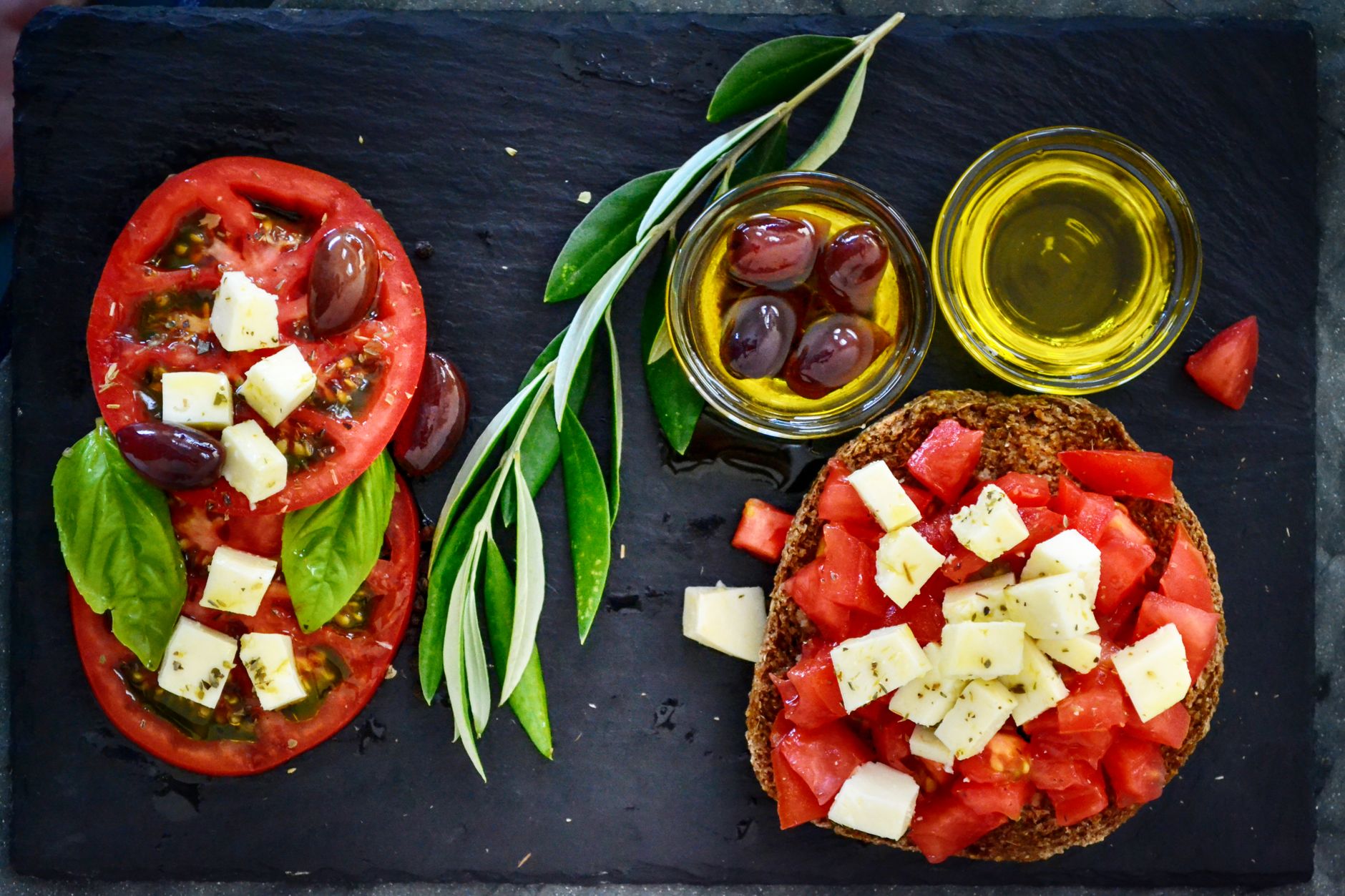
What an Olive Oil Tasting Tour in Athens Is Actually Like
An olive oil tasting tour in Athens is a slower, more cerebral experience than most food tours — and that’s precisely the point. Greece produces roughly 300,000 tonnes of olive oil annually, yet most visitors never move beyond a drizzle on a taverna salad. These tours pull back the curtain on what separates a cold-pressed Koroneiki from a Manaki, how soil and altitude shape flavour, and why Greek extra virgin often outperforms Italian or Spanish equivalents in international competitions despite receiving a fraction of the marketing budget.
Most Athens-based experiences run out of the city centre — Monastiraki, Koukaki, or the Central Market district — and combine classroom-style education with guided tastings of six to twelve oils. Day-trip extensions to Attica or the Peloponnese add working farm visits and mill walkthroughs. Unlike wine tours, there’s no alcohol, no rowdy group dynamic, and sessions tend to attract genuinely curious participants. Expect to leave with palate notes, producer recommendations, and a small bottle to take home.
Who It’s For (and Who Should Skip It)
This experience suits food-focused travellers, home cooks, chefs, and anyone with a serious interest in Mediterranean agriculture. No prior knowledge is needed — operators design sessions for complete beginners — but curious, attentive participants get the most out of the time.
Age: Most operators welcome ages 10 and above. Tastings involve no alcohol, so families are genuinely welcome. Some farm visits involve uneven terrain, so anyone with mobility difficulties should confirm accessibility before booking.
Who should skip it: if you’re not interested in slowing down for two to four hours of structured learning, this will frustrate you. Travellers expecting a party atmosphere, unlimited food, or a sightseeing component will leave disappointed. People with severe tree-nut or pollen allergies should flag this in advance — olive pollen can be a genuine irritant during harvest season (October–November), and tastings involve sustained close contact with oils.
What It Costs
City-based tasting sessions in Athens typically run €45–€80 per person. This usually covers the educator’s fee, all oils sampled, accompanying bread, water, and any printed tasting notes. Premium sessions at specialist venues like the Olive Oil Sommelier Academy of Greece push toward €90–€120 per person and include certified tutoring and more extensive varietal coverage.
Farm day trips — typically to estates in Attica’s Mesogeia region or near ancient Corinth — cost €95–€150 per person with transport included from central Athens. Budget an extra €20–€40 if you plan to buy oils directly from producers; quality estate bottles run €15–€35 each and are worth it compared to supermarket options.
Not included in most packages: lunch (unless specified), return taxi from remote farms, and gratuities. Some operators charge a supplement for private group bookings. Booking through platforms like Viator or GetYourGuide sometimes surfaces discount codes, but check cancellation policies carefully — refund windows vary from 24 to 72 hours.
What’s Included and What to Bring
Typically Included
- Guided tasting of 6–12 olive oils across Greek regions and varieties
- Education on production methods, grading standards, and sensory evaluation
- Sourdough bread, raw vegetables, or legumes as palate cleansers
- Still and sparkling water throughout
- Printed or digital tasting notes
- Small take-home bottle at most premium operators
- Transport on farm day-trip packages
What to Bring
- Comfortable, closed-toe shoes for farm visits (uneven ground is common)
- A light layer — stone mill interiors and cave cellars run cool year-round
- A small notebook — tasting apps exist, but written notes help memory retention
- Your own reusable bag for purchases
The thing most people forget: avoid strong perfume or cologne on tasting day. Aromatic interference genuinely impairs your ability to detect the grassy, peppery, or bitter notes that define quality oil — and instructors will mention it.
Choosing an Operator
The Athens olive oil tourism scene is growing fast, and quality varies considerably. A few markers separate serious operators from those running a basic product pitch dressed up as education.
Look for certified educators. The Olive Oil Sommelier Academy of Greece trains and certifies tasters; operators who employ accredited sommeliers offer measurably better tuition. Ask directly whether your guide holds a certification.
Check varietal depth. A credible tasting covers at least three distinct Greek varieties — Koroneiki (Crete, Peloponnese), Manaki (central Greece), Athinolia (Laconia), and ideally one from Lesvos or Halkidiki. Operators offering a single-origin session are skimping.
Group size matters. Sessions capped at 10–12 participants allow genuine Q&A and individual palate coaching. Groups of 20+ become passive lectures.
Farm visit transparency. Ask whether the farm still operates as a working estate or primarily as a tourist venue. Active mills during harvest (October–December) offer an authenticity that off-season show farms simply cannot replicate.
Platforms like GetYourGuide list verified Athens operators with genuine reviews; filter for 4.7 stars and above and read the most recent comments, not the highlighted ones.
Best Time of Day and Year
Morning sessions — typically starting at 10:00 or 11:00 — are preferable for tasting accuracy. Palates are fresher before lunch and less likely to be influenced by coffee or food consumed earlier in the day. Afternoon sessions (15:00–17:00) work acceptably but avoid booking immediately after a heavy meal.
For farm visits, October through December is the clear winner. Greek olive harvest runs across this window, and visiting during active picking and pressing gives you a completely different experience from an off-season tour. You’ll see the fruit on the tree, watch cold-pressing in real time, and taste oil pressed within hours — a genuinely different product from anything bottled months earlier.
Summer tours (June–August) are available but hot — farm walks in 38°C heat are uncomfortable, and mills are dormant. Spring (April–May) offers pleasant temperatures and flowering olive groves, which is aesthetically rewarding even without active production.
Safety and Honest Warnings
Olive oil tastings carry minimal physical risk, but a few practical points deserve direct acknowledgment.
Allergy risk: Olive pollen is a significant allergen — one of the most common in southern Europe — and concentrated exposure during harvest-season farm visits can trigger reactions in sensitive individuals. If you have a documented pollen allergy, consult a doctor before booking an October–December farm trip.
Farm terrain: Working olive groves have uneven, root-crossed ground. Twisted ankles are the most common minor incident. Sandals and flip-flops are genuinely inappropriate footwear.
Sun exposure: Summer farm visits involve outdoor time with limited shade. Sunscreen and a hat are non-negotiable in July and August.
Purchasing pressure: A small number of operators use educational sessions primarily as sales funnels for high-margin retail oils. If the ratio of selling time to teaching time feels off, that’s a legitimate warning sign. Read recent reviews to identify this pattern before booking.
Is It Worth Booking?
At €45–€80 for a city session, an Athens olive oil tasting delivers strong value — especially against the backdrop of tourist experiences that charge similar prices for far less substance. You leave with practical knowledge you’ll actually use at home, and the Greek oil industry’s genuine quality makes the subject matter compelling rather than niche.
The farm day-trip at €95–€150 is the more convincing experience, particularly during harvest season. The gap in quality between that and a standard tasting is significant enough to justify the extra cost if your schedule allows. Travellers who find food culture genuinely interesting will rate this among the more memorable afternoons spent in Attica.
🏛 Ready to Book?
Browse verified Athens tours — trusted by over 3.5 million travellers worldwide.
Search Tours on Viator →We earn a small commission at no extra cost to you.
Browse verified Athens experiences — instant confirmation, free cancellation on most tours.
Search Tours on GetYourGuide → We earn a small commission at no extra cost to you.Frequently Asked Questions
More Things to Do in Athens
Beyond food — top-rated experiences with free cancellation & instant confirmation.
Hungry for more? Our sister site FoodTourTrails has an in-depth Athens food guide — souvlaki, mezedes, the markets locals love, and food tours worth booking.
Related Articles

Best Wine Bars in Athens 2026: Local Wineries & Hidden Tastings
Updated September 2026: Updated September 2026: Athens is still deep in summer mode right…

Vegan & Plant-Based Dining in Athens 2026: Restaurants, Markets & Tips
Updated August 2026: Updated August 2026: Athens in August means the city is deep…