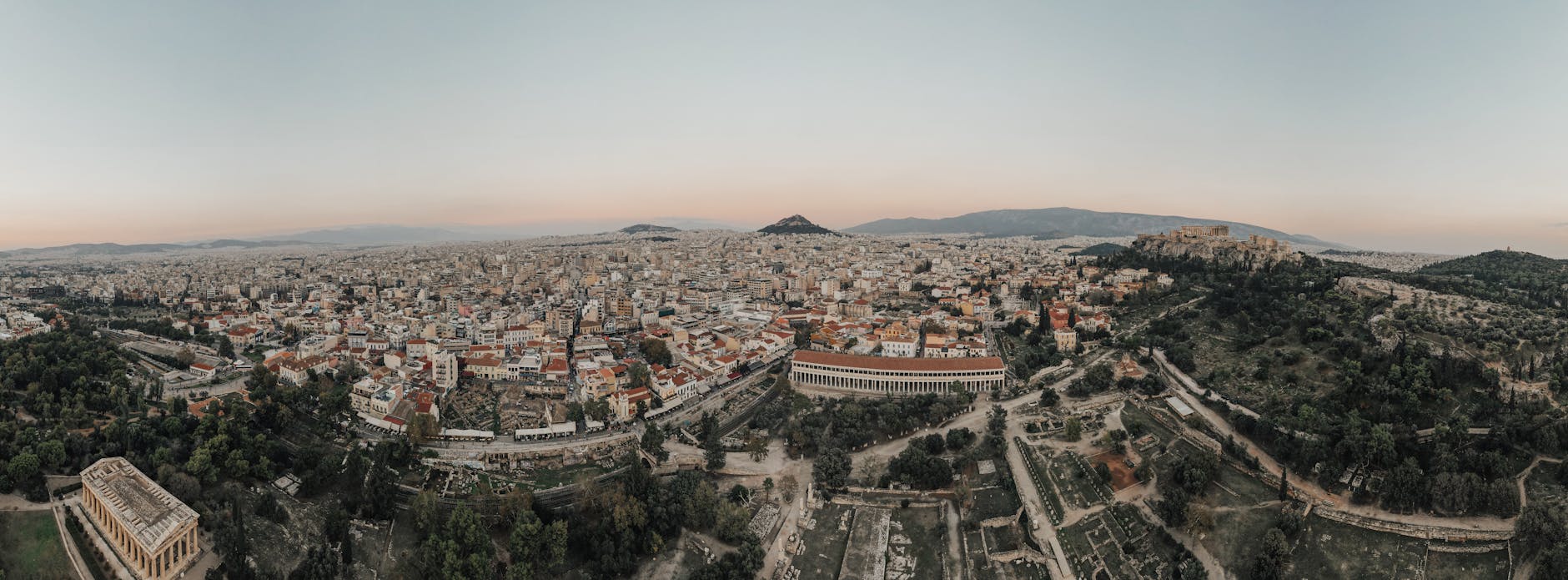
Three Days in Athens: What Actually Happens vs. What You Planned
I’ve done Athens four times now, and the first trip nearly broke me. Ninety-degree heat, wrong shoes, the Acropolis at noon surrounded by 4,000 other people holding up selfie sticks. By day three I’d figured out the rhythm of the city. This itinerary is what I’d tell a friend over a beer — not the sanitised version.
Day 1: The Acropolis Hill (Do It Right or Regret It)
Get there early. Not ‘reasonably early’ — I mean gates-opening early, which in summer 2026 is 8:00am. The ticket currently runs €20 for the Acropolis alone, or €30 for the combined ticket that covers seven archaeological sites including the Ancient Agora, the Roman Agora, and Kerameikos cemetery. Buy the combined one. You won’t regret it.
The hill itself takes about 90 minutes if you’re not rushing. Most people ignore the Theatre of Dionysus on the south slope — the world’s first theatre, dating to the 6th century BC — because they’re sprinting toward the Parthenon. Don’t. Sit in the actual stone seats for a few minutes. It costs nothing extra with the combined ticket.
After the Acropolis: Monastiraki, Not Plaka
Plaka is pretty, but it’s also full of restaurants with laminated menus in six languages and aggressive hosts pulling you inside. Walk ten minutes northwest to Monastiraki Square instead. Get lunch at one of the small souvlaki places on Mitropoleos Street — Thanasis or Kostas, both cash-only, both excellent, both under €8 for a solid meal.
Spend the afternoon wandering the flea market around Avissyinias Square, especially if it’s Sunday when the outdoor antique vendors set up. Then climb Filopappou Hill in the late afternoon. It’s across from the Acropolis, almost nobody is on it, and you get the best angle of the Parthenon there is — golden hour, no crowds, free.
Day 2: Museums and a Real Neighbourhood
The Acropolis Museum deserves a full morning. Book tickets online in advance (€10, or free on Sundays between November and March). The top floor has the original Parthenon frieze sections arranged exactly as they appeared on the temple — and the museum has left deliberate gaps where the Elgin Marbles currently sit in London. That detail hits differently when you’re standing there.
Skip the National Archaeological Museum on day two — it’s enormous and exhausting when combined with anything else. Save it for day three if you have energy left, or cut it entirely. Controversial opinion, but the Acropolis Museum tells a more coherent story.
Exarchia: Athens Without the Tourist Filter
After the museum, take the metro two stops north to Exarchia. This neighbourhood has a reputation that puts some tourists off — it’s historically anarchist, politically charged, covered in murals — but in 2025 and heading into 2026 it’s also become genuinely interesting to eat and drink in. Lunch at Rozalia on Valtetsiou Street: outdoor tables, homemade food, about €12-15 per person. Order the gigantes beans.
The central square at Exarchia has good coffee shops and second-hand bookstores. It feels like actual Athens, not a film set of Athens.
In the evening, head back toward Psirri for dinner and a drink. The neighbourhood around Agion Anargyron Square has excellent mezze bars. Arrive hungry, order slowly, stay late. That’s how it works here.
Day 3: Cape Sounion or Staying Local
If the sun is out and you want to leave the city, Cape Sounion is worth it. The Temple of Poseidon sits on a cliff above the sea about 70km from Athens. You can book a half-day guided tour through Viator or GetYourGuide for around €25-35 including transport, which genuinely saves the hassle of navigating the KTEL bus schedule. Alternatively the KTEL bus from Pedion tou Areos park costs about €6.50 each way and takes 90 minutes.
Go in the late afternoon. The light off the water at 5pm there is the kind of thing that makes you reconsider your life choices — in a good way.
If You’d Rather Stay in Athens
Spend the morning at Kerameikos, the ancient cemetery that most people miss entirely. It’s quiet, atmospheric, and the small site museum has some remarkable grave stelae. Entry is included in the combined ticket from day one. Then walk twenty minutes south to the Benaki Museum on Koumbari Street (€9, closed Tuesdays) for a completely different slice of Greek history — Byzantine icons, traditional costumes, a café on the rooftop terrace with views toward Lycabettus Hill.
Lycabettus itself: yes, hike it or take the funicular (€7 return), yes, the view covers the entire city. Go for sunset, bring a jacket because it’s always windier up there than you expect.
Practical Notes for Athens 2026
- Getting around: The metro is clean, cheap (€1.20 per journey), and goes most places you need. Download the Athens Urban Transport app before you arrive.
- Heat: July and August are genuinely brutal — 38°C plus, no apologies. Visit in May, early June, or September if you have any flexibility at all.
- Water: Athens tap water is safe to drink. Buying plastic bottles all day is unnecessary and wasteful.
- Tipping: Not mandatory, but rounding up or leaving a euro or two is appreciated. Don’t leave American-style percentages — it confuses people.
- Shoes: The marble surfaces on the Acropolis are genuinely slippery when dry. Flat rubber soles, no exceptions.
Three days isn’t enough for Athens, honestly. But if that’s what you have, these three days will show you the city rather than just the postcard version of it.
🏛 Ready to Book?
Browse verified Athens tours — trusted by over 3.5 million travellers worldwide.
Search Tours on Viator →We earn a small commission at no extra cost to you.
Browse verified Athens experiences — instant confirmation, free cancellation on most tours.
Search Tours on GetYourGuide → We earn a small commission at no extra cost to you.Frequently Asked Questions
More Things to Do in Athens
Beyond food — top-rated experiences with free cancellation & instant confirmation.
Related Articles

New AthensToursHQ Guides — September 2026
Here are the latest guides we published on AthensToursHQ this month. Fresh, hand-written, and…
Ancient Agora Athens: Complete Visitor Guide 2026
Updated July 2026: Updated July 2026: Athens has been sitting under brutal heat this…

Athens in May 2026: The Best Month to Visit?
Updated July 2026: Update — July 2026: We’re now past the May window, and…