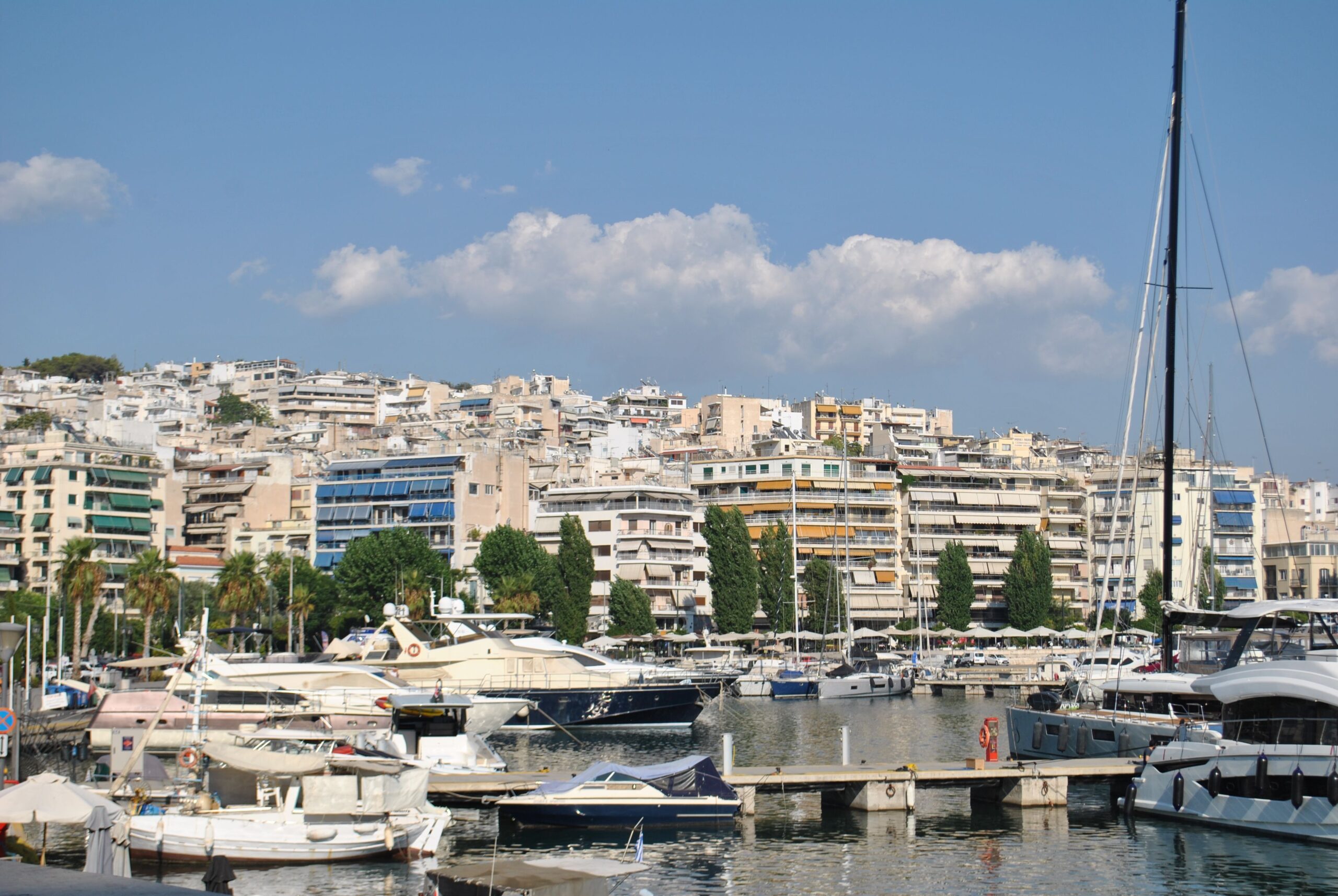
Escaping Athens for the Coast
The Athens beach day trip is one of those things every visitor swears they’ll do and then somehow never gets around to — until they’re on day three of melting through the Acropolis in 38-degree heat and finally cave. Good news: Glyfada and Vouliagmeni are both genuinely worth it, and you can pull off either one without losing a full day to logistics.
Athens sits about 25 kilometers from the cleaner stretches of the Saronic coast. The beaches right on the city’s edge — Faliro, Alimos — aren’t worth your time. But push another 10 to 15 kilometers south along the coastal road and the water improves dramatically. That’s where Glyfada and Vouliagmeni come in.
Getting There: Tram, Bus, or Taxi
The tram from Syntagma Square is the easiest option for Glyfada. Line T5 runs all the way down the coast and drops you practically onto the beach strip. Journey time is about 45 minutes, costs €1.40 with a regular ticket, and runs until around midnight in summer. Beats fighting for a taxi during peak afternoon hours.
For Vouliagmeni, the X96 express bus from Syntagma is your best bet — it goes all the way to the airport along the coastal road and stops in Vouliagmeni. Takes roughly 50 minutes depending on traffic, same €1.40 fare. Alternatively, taxis from central Athens to Vouliagmeni cost around €25–30 and take 30 to 40 minutes. If you’re traveling in a group, worth splitting.
Glyfada: The Accessible Option
Glyfada reads like a proper suburb — shopping streets, coffee bars, restaurants — with a beach attached. It’s popular with Athenians rather than tourists, which keeps it from feeling performative. The main free beach (just north of the yacht marina) gets crowded by 11am on weekends. Arrive before 10am or accept that you’ll be closer to your neighbors than you’d like.
The organized beach clubs along the Glyfada strip charge entry fees of €8–15 depending on the day and whether you want a sunbed included. Astir Beach, a bit further south toward Vouliagmeni, charges more (€25–40 in peak season) but the facilities are genuinely good — clear water, decent snack bar, paddleboard and kayak rentals starting at €20 per hour.
Water Sports in Glyfada
Several operators along the Glyfada waterfront rent pedal boats, offer jet ski sessions (around €60 for 30 minutes — negotiate if it’s quiet), and run windsurfing lessons. The bay doesn’t have ideal wind for sailing but it’s fine for beginners learning to windsurf. If you’re after serious kitesurfing, continue south toward Cape Sounion where the conditions are better.
Vouliagmeni: The Lake Worth Going Out of Your Way For
Lake Vouliagmeni is the actual reason to make this trip. It’s a brackish thermal lake — partly open to the sea through underground channels — sitting inside a small limestone cove about a five-minute walk from the main Vouliagmeni beach. The water temperature stays at a constant 22–29°C year-round, which means it’s swimmable even in October when the sea has cooled down.
Entry costs €8 for adults in 2025 pricing (expect slight increases in 2026). You get a sunbed included and the facilities — showers, lockers, a café — are well-maintained. The water has a slightly silky quality from the minerals. Some people credit it with therapeutic properties; whether you buy that or not, it’s an unusually pleasant swim. The lake isn’t big — maybe 100 meters across — so don’t expect to do laps. Just float and enjoy the surreal setting of warm, clear water surrounded by pine trees.
Get there before 10am or after 4pm if you want space. Midday in July and August it’s packed.
Vouliagmeni Beach Clubs
The beach itself at Vouliagmeni has a mix of free public stretches and organized sections. Yabanaki is the main beach club — large, well-run, entry around €10–12 on weekdays. The water here is notably clean and the beach has a more relaxed atmosphere than Glyfada’s busier strips. There’s decent food at the club restaurant; the grilled fish is reliable if not revelatory.
Combining Both in One Day
Perfectly doable. Start at Vouliagmeni lake in the morning (cooler, fewer people), head to the beach for a few hours after noon, then catch the bus back toward Glyfada for dinner. The waterfront restaurants in Glyfada are better value than the tourist-facing places in Vouliagmeni — look along Poseidonos Avenue for seafood tavernas where locals actually eat.
If you’d rather have a guided experience that handles the logistics, both Viator and GetYourGuide list full-day Athens Riviera tours that typically include Vouliagmeni lake, a swim stop, and sometimes Cape Sounion. These run €40–65 per person and make sense if you’re short on time or want someone else to handle transportation.
Practical Details for 2026
- Best months: June through September for swimming; May and October are quieter and still warm enough
- What to bring: Cash for entry fees and beach bars (some smaller spots still don’t take cards), reef shoes if you’re sensitive to rocky entry points, sunscreen — the midday sun is brutal
- Food: Pack something or eat at the beach clubs; the convenience stores near Glyfada beach are overpriced
- Crowds: Athenians flood the coast on summer weekends — go on a weekday if you have flexibility
- Parking: If renting a car, the coastal road gets gridlocked on hot Saturday afternoons; the tram is genuinely faster
Neither Glyfada nor Vouliagmeni will replace a proper Greek island. But for a day out of the city that feels real rather than staged for tourists, they’re the honest answer to where Athenians actually go when they want to swim.
🏛 Ready to Book?
Browse verified Athens tours — trusted by over 3.5 million travellers worldwide.
Search Tours on Viator →We earn a small commission at no extra cost to you.
Browse verified Athens experiences — instant confirmation, free cancellation on most tours.
Search Tours on GetYourGuide → We earn a small commission at no extra cost to you.Frequently Asked Questions
More Things to Do in Athens
Beyond food — top-rated experiences with free cancellation & instant confirmation.
Related Articles

Cape Sounion & Temple of Poseidon Day Trip from Athens 2026
Updated June 2026: We’ve just returned from Cape Sounion in early June and can…

Acropolis Museum Athens 2026: Tickets, Tours & What Not to Miss
The Acropolis Museum in 2026: What You Actually Need to Know I’ve been to…

Athens Food Tours: Taste the Best of Greek Cuisine 2026
Updated June 2026: We’ve just wrapped up our spring tastings across Plaka and Psyrri,…