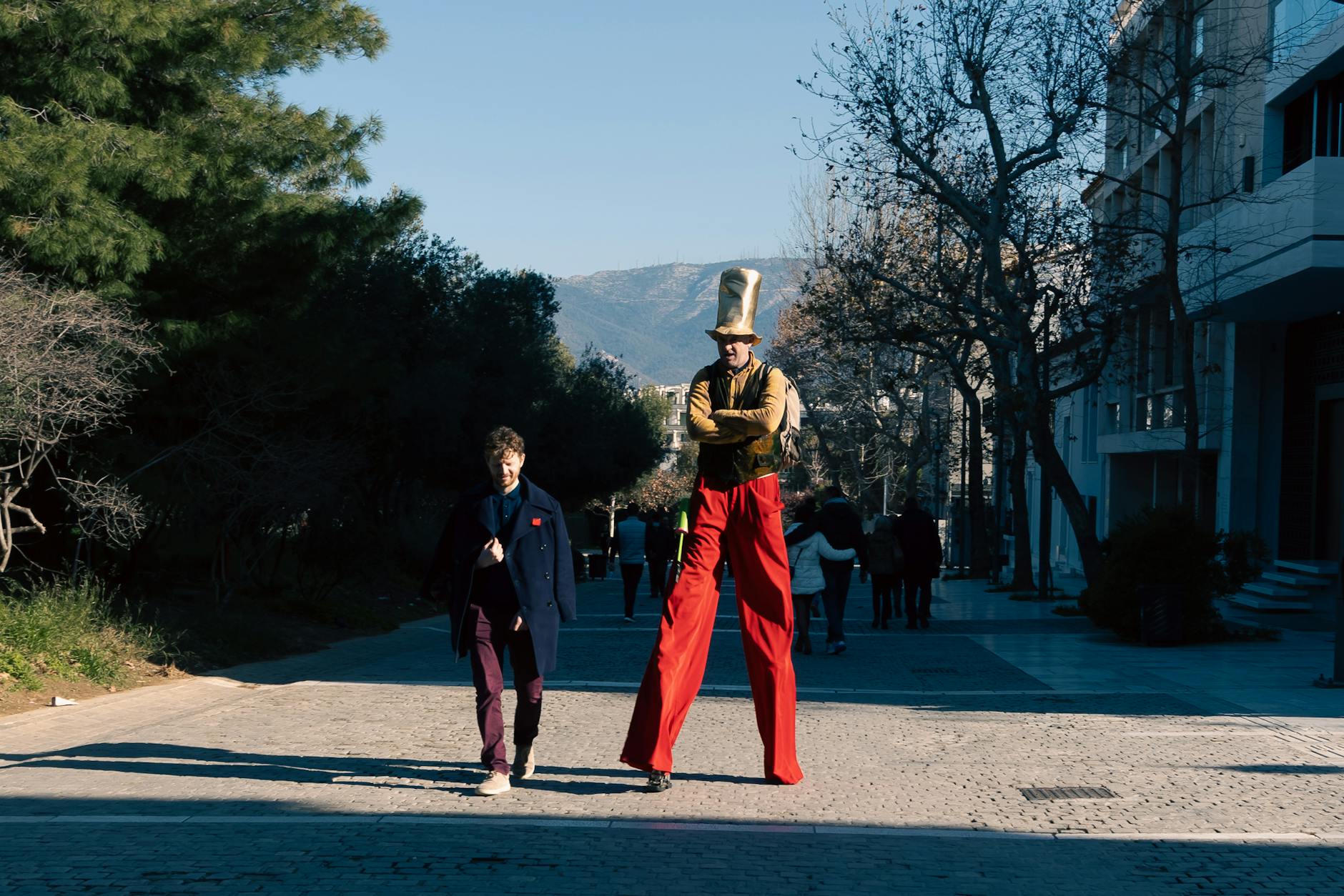
Athens in February 2026: The City Belongs to You
February is when Athens actually breathes. The cruise ships are docked somewhere warmer, the selfie sticks at the Acropolis thin out considerably, and locals reclaim their city. Add Apokries — the Greek Orthodox carnival season — into the mix and you’ve got something genuinely worth planning a trip around. I’ve been to Athens in summer, and honestly, February is better in almost every way except the weather, which is mild enough that you’ll mostly be fine in a decent jacket.
Apokries runs for three weeks in 2026, starting around late January and building toward Clean Monday on March 2nd. It’s Greece’s answer to Mardi Gras, and while it’s not Rio, it’s also not nothing. The energy in Monastiraki and Psyrri on weekends gets legitimately festive — people in costume, outdoor tables packed despite the chill, music spilling out of tavernas that have shoved their chairs aside to make room for dancing.
What Apokries Actually Looks Like in Athens
The main carnival parade happens in Patras, about three hours by train from Athens. If you can swing it, the Patras Carnival on February 22nd, 2026 is worth the day trip — it’s the biggest in Greece and runs with real organizational swagger, floats, brass bands, the whole production. Tickets for grandstand seating run about €10–15 and sell out, so book ahead on the Patras Carnival official site.
Back in Athens, the action centers on the neighborhoods rather than any single event. Monastiraki Square fills up on the weekends of Apokries with kids in costumes and adults who’ve had just enough ouzo to join them. The area around Agia Irini Square in Psyrri — which I’d argue is a better base than Monastiraki if you want atmosphere without the tourist-trap tavernas — gets particularly lively on the Saturday before Clean Monday, known as the Saturday of the Souls.
Clean Monday: The Real Prize
If you only have one day in Athens during this period, make it Clean Monday, March 2nd. It’s a public holiday, everything shuts down in a very Greek way (some things close, some things magically stay open, nobody is entirely sure which is which), and traditionally people fly kites and eat Lenten food — no meat, no dairy, lots of seafood and taramosalata and lagana bread. Philopappou Hill, just southwest of the Acropolis, is the classic kite-flying spot, and by mid-morning it looks like a fever dream of strings and color against the sky. Get there before 11am if you want a good position.
The Acropolis in February
I went up on a Tuesday in February a few years back and counted maybe forty other visitors. Forty. In summer that number is forty thousand. The site opens at 8am and the light in the morning is genuinely good for photography — soft, directional, no harsh midday shadows. Entry is €20 for adults, and the combined ticket covering multiple archaeological sites is €30 and valid for five days, which makes it excellent value if you’re spending a week.
The weather at the top can be sharp. February temperatures in Athens average around 6–13°C, and up on the hill there’s wind. Dress in layers, wear actual shoes rather than sandals, and don’t be the person in shorts — I’ve seen it, it’s not a good look and you’ll be cold for no reason.
Where to Eat Without Getting Burned
The tavernas immediately around Monastiraki and the main tourist drag near the Acropolis Museum charge tourist prices year-round. You’ll pay €18–22 for a mediocre moussaka. Walk six minutes in any direction toward Psyrri or Koukaki and the prices drop and the quality improves dramatically.
- Karamanlidika tou Fani (Sokratous 1, Monastiraki) — a charcuterie-deli hybrid that does excellent meze plates. Lunch for two with wine around €35.
- Mavro Provato (Arrianou 31, Pangrati) — worth the metro ride to Evangelismos. Order the offal if you’re curious, the grilled lamb chops if you’re not. Budget €20–25 per person.
- Hoocut (multiple locations) — don’t laugh, the souvlaki here is legitimately good and about €3.50 a wrap. There’s one near Syntagma that’s perfect for a quick lunch between museums.
Where to Stay
Koukaki has become the neighborhood I recommend without hesitation for February. It sits just south of the Acropolis, walkable to the main sites, but feels like an actual residential area rather than a tourist zone. Airbnbs run €60–90 per night for a decent one-bedroom apartment. Hotels in the same area like the Herodion or the smaller boutique spots on Rovertou Galli street are in the €100–140 range and include breakfast, which matters when it’s cold and you want a hot coffee before you go anywhere.
Getting Around
The metro is genuinely good and covers most of what you need. A single ticket is €1.20 or you can get a five-day tourist pass for €9. Taxis from the airport to central Athens run a fixed €40 during the day, €54 at night — don’t let a driver try to negotiate something different. The airport bus (X95) takes longer but costs €6.50 and drops you at Syntagma Square.
A Few Honest Caveats
February does get rain. Not constantly, not dramatically, but you’ll have a day or two where it’s grey and drizzly and you’ll want to be inside a museum rather than outside at an archaeological site. The National Archaeological Museum on Patission is about as good as museums get and costs €12 — plan a rainy afternoon there and you won’t regret it.
Also, some smaller restaurants take a break in early February before Apokries picks up. Call ahead or check Google Maps hours before making a special trip anywhere specific. Athens runs on its own schedule, which is charming until it isn’t.
🏛 Ready to Book?
Browse verified Athens tours — trusted by over 3.5 million travellers worldwide.
Search Tours on Viator →We earn a small commission at no extra cost to you.
Browse verified Athens experiences — instant confirmation, free cancellation on most tours.
Search Tours on GetYourGuide → We earn a small commission at no extra cost to you.Frequently Asked Questions
More Things to Do in Athens
Beyond food — top-rated experiences with free cancellation & instant confirmation.
Related Articles

Athens Airport Guide 2026: Getting Into the City from Eleftherios Venizelos
Getting from Athens Airport into the City in 2026 Eleftherios Venizelos is actually one…
Athens in September 2026: Best of Summer Without the Crowds
Updated July 2026: Updated July 2026: A heads-up for anyone planning a September trip…

Best Museums in Athens 2026: Beyond the Acropolis Museum
The Athens museums scene is richer than most visitors realize. Everyone makes a beeline…