Why Varvakeios Still Matters
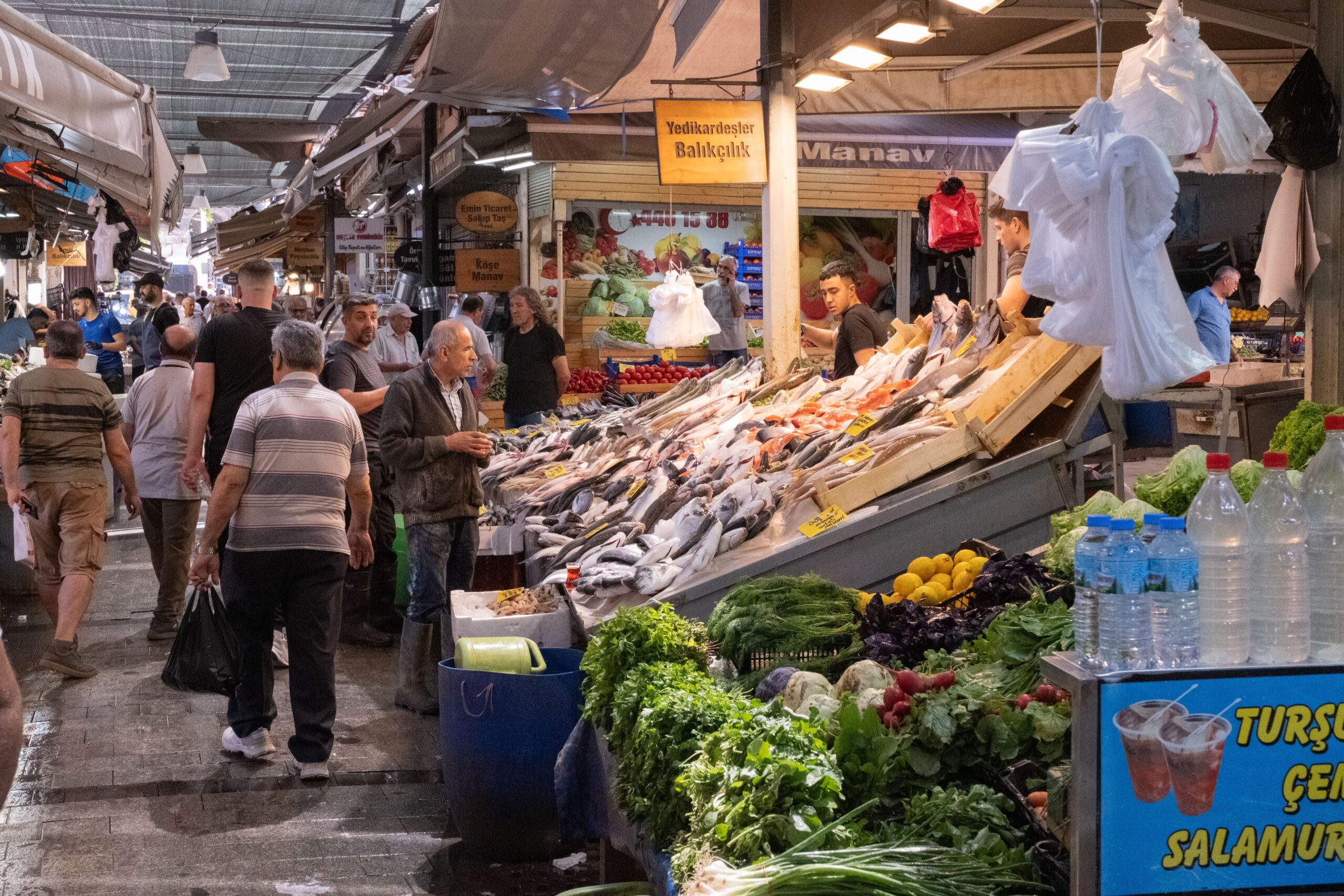
The Athens central market, known locally as Varvakeios Agora, sits on Athinas Street about a ten-minute walk from Monastiraki Square, and it is genuinely one of the last places in central Athens where tourists are outnumbered by people actually buying dinner. That ratio is shifting — Instagram found it eventually — but early mornings still belong to the butchers, fishmongers, and old women who show up with rolling carts and strong opinions about octopus freshness.
I first came here on a Tuesday in October, jet-lagged and hungry, following the smell more than any map. The fish hall hit me before I saw it. That is not a complaint. It means the place is real.
What You’ll Actually Find Inside
The Fish Hall
This is the part that stops people cold. Whole swordfish laid out on ice, their silver flanks catching the fluorescent light. Trays of sea urchin, live crabs attempting slow escapes, and varieties of small fish I have never successfully identified despite asking three times. Prices in 2026 are genuinely reasonable compared to waterfront tourist tavernas — expect to pay around €8-12 per kilo for fresh red mullet, significantly less than what you’ll see on a Piraeus menu board. The vendors are loud, fast, and mostly friendly if you make eye contact and don’t wave your phone in their faces while they’re mid-transaction.
The Meat Hall
Next door is the meat section, which is not for the squeamish. Whole lamb carcasses hang from hooks. Heads are displayed without apology. This is where Athens restaurants source their ingredients, and watching a chef argue about lamb quality at 7am tells you more about Greek food culture than any cooking class will. Offal — kokoretsi ingredients, liver, tripe — is treated with the same seriousness as prime cuts. It should be.
The Surrounding Streets
Spill out onto Athinas and Evripidou streets and the market expands into something looser and more chaotic. Evripidou in particular has become known for its spice shops — small, packed storefronts selling dried herbs, mountain tea, saffron from Kozani, and every variety of olive you can imagine. The shop at the corner near Sofokleous has been there for decades and the owner will give you tiny samples of things without being asked. Buy something.
Best Time to Go
Arrive between 7am and 9am on a weekday. This is not negotiable if you want the authentic version. By 11am the fish is less fresh, the crowds are mixed with tourists, and some vendors are already packing up or getting philosophical about the rest of their day. Saturday mornings work but are busier. Sunday the market is closed — completely, definitively closed, which surprises a lot of people who show up and find shuttered metal doors.
The market technically runs Monday through Saturday, roughly 7am to 3pm, though individual stalls set their own schedules and you should not rely on anyone being there past 2pm with any enthusiasm.
Street Food Nearby — The Good Stuff
Epirus Souvlaki (Athinas Street)
About 200 meters north of the main market entrance, this small counter operation has been feeding market workers since before the neighbourhood gentrified. Pork souvlaki wrapped in pita with proper tzatziki, not the watery hotel-breakfast version. Under €3 in 2026. Eat standing up like everyone else.
Monastiraki Flea Market Cafes
Walk south toward Monastiraki and you’ll hit a cluster of coffee spots that are half-decent for a post-market sit-down. Nothing remarkable but the freddo espresso is cold, strong, and costs about €2.50. You will need it.
Krinos on Aiolou Street
This place has been making loukoumades — Greek honey doughnuts — since 1923. It is not secret, it is not undiscovered, but the loukoumades are legitimately excellent and a portion costs around €4. Go before 10am when they’re freshest and the line is shorter.
Practical Things Nobody Tells You
- Bring cash. Some vendors have card readers now, but many don’t, and the ones who do will look at you with mild disappointment if you try to pay €4 with a contactless card.
- The smell in the fish hall is intense. This is fine. Your clothes will carry it for a few hours. Plan accordingly if you have lunch plans.
- Don’t photograph vendors close-up without acknowledging them first. A nod, a smile, sometimes a small purchase — then most people are fine with it. Pointing a lens at someone’s work without any human contact first is rude anywhere.
- Pickpockets exist on Athinas Street. Not more than anywhere else in central Athens, but the crowds on weekday mornings are dense enough that you should keep bags in front of you.
- Metro access: Monastiraki station is the closest (lines 1 and 3), about a 10-minute walk along Athinas. Omonia station is slightly closer to the north entrance.
Combining This With a Food Tour
If you want context for what you’re seeing — who supplies what, how the restaurant industry in Athens actually works, what’s seasonal — a guided food tour through this area adds real value. GetYourGuide lists several Athens market and street food tours that specifically include Varvakeios, typically running 3-4 hours and priced around €45-65 per person. Worth it for first-time visitors who want someone to translate the chaos into something coherent.
What This Place Actually Is
Varvakeios is not picturesque in the way travel content usually means. The floors are wet. The lighting is harsh. Someone is always arguing. But it is genuinely, stubbornly functional — a working market in a city that has had a rough decade economically and is still feeding itself with some dignity. That is worth an early morning and slightly fishy jacket.
🏛 Ready to Book?
Browse verified Athens tours — trusted by over 3.5 million travellers worldwide.
Search Tours on Viator →We earn a small commission at no extra cost to you.
Browse verified Athens experiences — instant confirmation, free cancellation on most tours.
Search Tours on GetYourGuide → We earn a small commission at no extra cost to you.Frequently Asked Questions
More Things to Do in Athens
Beyond food — top-rated experiences with free cancellation & instant confirmation.
Related Articles
Keramikos Archaeological Site Athens 2026: The Hidden Gem Most Skip
Updated September 2026: Update — September 2026: Athens has been sweltering this summer, so…

Athens in May 2026: The Best Month to Visit?
Updated July 2026: Update — July 2026: We’re now past the May window, and…

Athens Digital Nomad Guide 2026: Coworking, Cost of Living & Visas
Updated September 2026: Updated September 2026: Athens is in full post-summer transition right now…