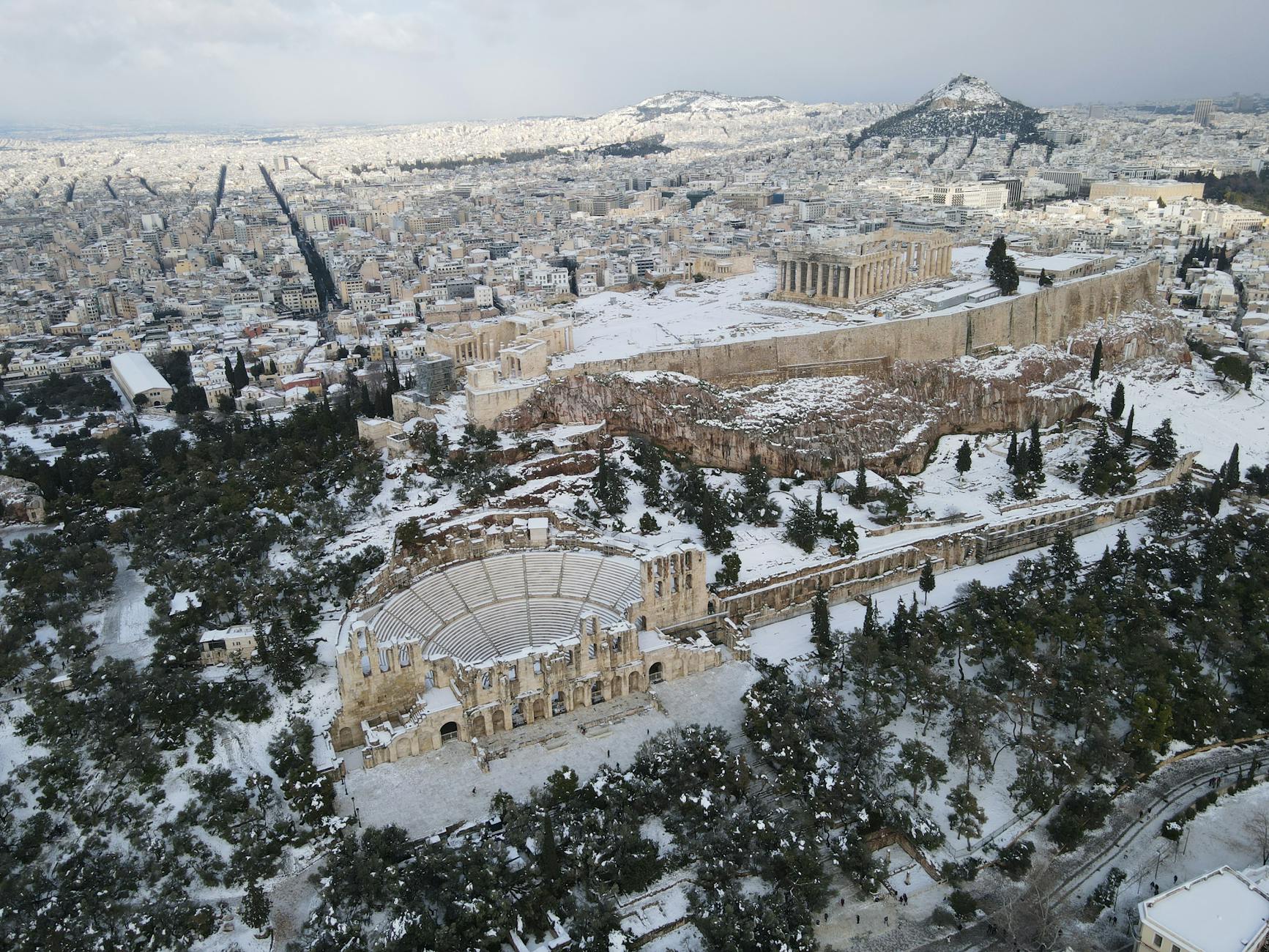
Athens in January 2026: The Honest Truth About Winter in Greece’s Capital
January in Athens is genuinely underrated, and I say that as someone who first visited in August and nearly melted into the pavement near Monastiraki. Coming back in mid-January was a completely different experience — cooler, quieter, and honestly more enjoyable in almost every way. But it’s not perfect, and you deserve to know exactly what you’re walking into.
What the Weather Actually Feels Like
Forget the idea that Greece is warm year-round. January in Athens averages around 10–12°C (50–54°F) during the day, dropping to 5–7°C at night. It rains fairly regularly — expect maybe 10 to 12 wet days across the month. I got caught in a downpour near the Acropolis Museum without an umbrella and it was genuinely miserable for about forty minutes. Pack layers, bring a decent waterproof jacket, and don’t assume the sun will save you.
That said, there are plenty of crisp, clear January days where the light on the Parthenon is extraordinary — sharp and golden in a way that the hazy August heat simply doesn’t produce. Those days make the gamble worthwhile.
The Acropolis Without the Crowds
This is the biggest reason to come in January. In summer, the Acropolis site sees upwards of 20,000 visitors a day. In January, you might share it with a few hundred. I walked up on a Tuesday morning around 9:30am and genuinely had stretches of the path entirely to myself. The ticket costs €20 for adults (the combined ticket covering multiple sites is €30 and valid for five days — absolutely worth it). Opening hours in January run 8am to 5pm.
The Acropolis Museum, just downhill from the site, is equally manageable. No queuing, no shuffling in a slow crowd. You can actually stand still and look at the Caryatids without someone’s selfie stick in your peripheral vision. Admission is €10. Closed Mondays.
Neighborhoods Worth Your Time
Monastiraki and Psiri
The flea market area around Monastiraki Square operates year-round, and in January the vendors are actually willing to talk and negotiate rather than just processing tourists through. The Sunday market along Ifestou Street is still running. You’ll find genuine antique dealers mixed in with tourist tat — learn to tell the difference before you spend €40 on something that was made in China last year.
Exarchia
Most guidebooks either ignore this neighborhood or warn you off it. I’d push back on both instincts. Exarchia is a working Athenian neighborhood with excellent cheap tavernas, good bookshops, and a political mural scene unlike anything else in the city. It’s scruffy and occasionally tense, but in January it’s just a neighborhood where people live. Grab lunch at one of the small places on Themistokleous Street for under €12 a head including wine.
Koukaki
This is where I’d stay. It’s residential, walkable to the Acropolis (about 15 minutes on foot), and has a growing number of good independent cafés and restaurants that aren’t priced for tourists. Airbnbs in this area in January 2026 are running roughly €55–80 per night for a decent one-bedroom. Compare that to €150+ in Plaka in peak season.
Food in January: Seasonal and Underpriced
Winter is actually a great time to eat in Athens. Seasonal dishes come into their own — you’ll find fasolada (bean soup), stifado (slow-cooked beef or rabbit stew), and excellent grilled fish at prices that feel almost embarrassing compared to other European capitals. A full meal with wine at a proper taverna in a non-touristy neighborhood will run you €18–25 per person. The same quality in London or Paris would cost three times that.
Central Market on Athinas Street (Varvakios Agora) is worth visiting even if you’re not cooking. The meat hall is not for the squeamish, but the produce hall is excellent and the small restaurants on the upper floor serve working lunch at genuinely local prices — around €8–10 for a plate of the day.
What’s Actually Closed or Limited
Some archaeological sites have reduced hours or partial closures for maintenance during winter — always check the Greek Ministry of Culture website before you go rather than trusting an outdated blog. The Ancient Agora site, for instance, has had seasonal work scheduled that affects access to certain areas. Cape Sounion (a popular day trip) is fully open and dramatically less crowded in January, though the last bus back leaves earlier than in summer, around 3:30pm.
- Reduced ferry services to nearby islands — January is not island-hopping season
- Some rooftop bars close entirely or open only on weekends
- Shorter daylight — sunset is around 5:15pm, so plan your outdoor sightseeing for mornings
- Some smaller museums close on Tuesdays rather than Mondays — check individually
Getting Around
The Athens Metro is efficient, cheap (€1.20 per journey, day pass €4.10), and runs to the airport directly from Syntagma in about 40 minutes for €9. Taxis are metered and generally honest — a trip from the airport to the city center should be around €38–42 during the day. The tram along the coast to Glyfada still runs in January and it’s a pleasant way to spend an afternoon, though the beach itself is cold and largely empty.
The Bottom Line
January in Athens works if you’re primarily interested in history, food, and wandering without fighting through tour groups. It doesn’t work if you need warmth, beach access, or the full island experience. Flights from most European cities are cheap — I’ve seen London to Athens in January 2026 for under €60 return — and hotels are negotiable. For a city break focused on culture and eating well without spending a fortune, it’s genuinely one of the better options in Europe right now.
🏛 Ready to Book?
Browse verified Athens tours — trusted by over 3.5 million travellers worldwide.
Search Tours on Viator →We earn a small commission at no extra cost to you.
Browse verified Athens experiences — instant confirmation, free cancellation on most tours.
Search Tours on GetYourGuide → We earn a small commission at no extra cost to you.Frequently Asked Questions
More Things to Do in Athens
Beyond food — top-rated experiences with free cancellation & instant confirmation.
Related Articles

3 Days in Athens 2026: The Complete Itinerary (What the Guides Leave Out)
Three Days in Athens: What Actually Happens vs. What You Planned I’ve done Athens…

Ancient Sites Beyond the Acropolis 2026: Temple of Zeus, Roman Agora & More
Updated August 2026: Updated August 2026: Athens in August is brutally hot by midday,…

Athens Neighborhoods Guide: Plaka to Koukaki 2026
Updated June 2026: We’ve just returned from Athens in early June and updated restaurant…