Athens in April is one of those rare travel sweet spots that experienced visitors quietly keep to themselves. The summer hordes haven’t arrived yet, wildflowers are blooming across the hillsides of Attica, and the city hums with a relaxed energy that makes every conversation with a local feel unhurried and genuine. I’ve been in Athens in July. I’ve also been in April. There’s no comparison.
What to Expect from Athens Weather in April 2026
April sits in that golden window between the cool dampness of the Greek winter and the fierce heat of summer. Average daytime temperatures in Athens during April range from 16°C to 22°C (61°F to 72°F) — ideal for long walks across ancient sites without the exhaustion that comes with July’s 35-degree scorchers. Mornings can be pleasantly cool, particularly in the first two weeks of the month, so pack a light jacket for early sightseeing sessions. You’ll thank yourself at 8 AM on the Acropolis.
Rainfall is still possible in early April, typically arriving as brief afternoon showers rather than prolonged downpours. Athens sees an average of eight to ten rainy days throughout the month, but these rarely derail plans in any serious way. By late April, sunshine becomes increasingly dominant and you’ll start feeling the first hints of Mediterranean warmth creeping in. Pack sunscreen regardless — the Athenian sun bounces powerfully off marble and whitewashed surfaces even when temperatures feel mild.
One critical date to factor into your planning is Greek Orthodox Easter, which in 2026 falls on April 12th. This is the most significant celebration in the Greek calendar, full stop. Midnight candlelit processions wind through city neighbourhoods, the smell of lamb roasting on spits fills every street by Easter Sunday afternoon, and the city takes on a communal warmth that no guidebook can fully capture. Book accommodation well in advance if your trip overlaps with this period — hotels fill fast and prices rise accordingly.
Crowds, Costs & the Best Times to Visit Key Sites
April marks the beginning of Athens’ tourist season, but crowds remain manageable compared to the brutal peak months of June through August. The Acropolis draws upwards of 10,000 visitors on a single summer day. In April, you’re looking at roughly a third of that — which means you can actually stand before the Parthenon and think, rather than shuffle forward in a slow-moving queue. Weekends still see noticeable increases in visitor numbers, so aim for a Tuesday, Wednesday, or Thursday morning and arrive right at the 8:00 AM opening. That first hour is genuinely something else.
Ticket prices for the Acropolis in 2026 are expected to remain around €20 for standard single-site entry. The combined ticket — covering multiple archaeological sites including the Ancient Agora, the Temple of Olympian Zeus, and Kerameikos — runs approximately €30. It’s valid for five days, which is the smart way to do it. Spread out the ancient history rather than cramming everything into one exhausting marathon.
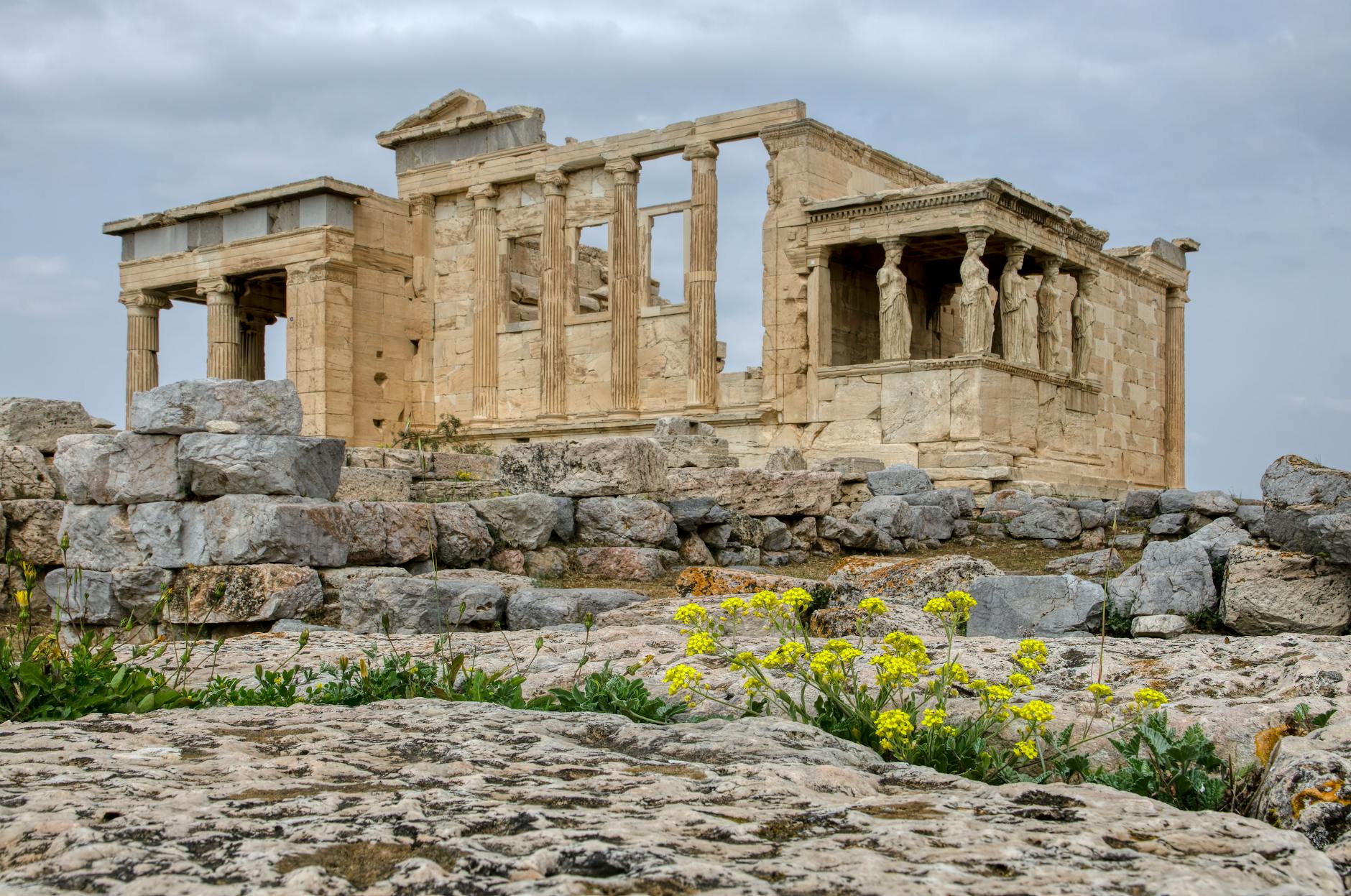
The Acropolis Museum, a short walk from the hill itself, deserves a full two to three hours. It houses the original caryatids from the Erechtheion alongside an extraordinary collection of sculptural fragments that bring the monuments above into vivid context. Entry costs around €10 and the museum opens at 9:00 AM most days. On a weekday morning, you’ll have large stretches of it essentially to yourself.
Neighbourhoods to Explore: From Plaka to Psyrri
No visit to Athens skips Plaka — the oldest continuously inhabited neighbourhood in Europe and the city’s most iconic district. Nestled at the foot of the Acropolis, its narrow lamp-lit streets are lined with neoclassical houses draped in bougainvillea, traditional tavernas, and independent shops selling ceramics, jewellery, and handcrafted leather goods. In April it feels alive but not overwhelming. You can actually hear your own footsteps on the cobblestones, which is a genuine luxury by mid-summer when the place turns into a slow-moving river of tourists.
For a grittier, more contemporary side of the city, head to Psyrri and Monastiraki. These adjacent neighbourhoods are home to exciting street art, vintage markets, and craft cocktail bars that locals actually drink in. The Monastiraki flea market is particularly worth your time on Sunday mornings, when vendors spread everything from antique coins to mid-century furniture across the surrounding streets. Grab a sesame-crusted koulouri from one of the street carts for around €0.80 and browse without any agenda.
Koukaki, just south of the Acropolis, has become Athens’ most fashionable residential neighbourhood and deserves an afternoon. Independent coffee roasters, natural wine bars, and contemporary Greek restaurants sit alongside beautiful early 20th-century apartment buildings. It’s where you get a genuine sense of how Athenians actually live, well clear of the tourist circuit.
Food, Dining & Taking a Food Tour of Athens
Athenian food culture in April is at its seasonal peak. Spring vegetables take over market stalls and restaurant menus — fresh artichokes, wild greens, tender lamb. The central Athens Municipal Market, known locally as the Varvakios Agora near Omonia Square, is a destination in its own right. Go in the morning when it’s at full intensity and sample local cheeses, cured meats, and olives directly from the vendors. It’s loud, fragrant, and completely alive.
Taking a dedicated food tour is one of the best investments you can make in Athens, especially on a first visit. A quality half-day food tour will take you through the city’s culinary history with stops in Monastiraki, Psyrri, and the central market — fresh spanakopita, loukoumades (honey-drenched doughnuts), aged graviera cheese, tsipouro. Expect to pay between €55 and €85 per person for a reputable guided experience. Come genuinely hungry.
For independent dining, reservations are worth making at popular restaurants even in April. A meal at a neighbourhood taverna — a proper one, away from the tourist-facing places around Plaka’s main square — typically runs €15 to €25 per person including wine and a shared mezze spread. That’s an honest, generous meal. Don’t let anyone tell you Athens is expensive.
Day Trips from Athens Worth Planning in April
Athens makes a brilliant base for the wider region of Attica, and April’s comfortable temperatures make day trips genuinely enjoyable rather than something to survive. Cape Sounion, roughly 70 kilometres south of the city, is the most visited — the Temple of Poseidon perches above a cliff overlooking the Aegean in a way that stops you mid-sentence. Sunset visits are legendary for good reason. Regular buses depart from Areos Park near Pedion Areos and the journey takes around two hours each way.
Delphi, the ancient sanctuary dedicated to Apollo on the slopes of Mount Parnassus, is a full-day excursion but among the most atmospheric archaeological sites in the entire Mediterranean world. Organised coach tours run around €45 to €60 including entry fees, or drive independently in roughly two and a half hours. In April, wildflowers cover the surrounding mountain slopes and the whole setting takes on an additional layer of drama.
If island-hopping appeals, the Saronic Gulf islands — Hydra, Aegina, and Poros — are all reachable by high-speed ferry from Piraeus in under two hours. April is ideal for these excursions. The islands are fully open but not yet overrun, and ferry prices are considerably lower than peak-season rates. Hydra especially, with its car-free lanes and quiet harbour, feels like a completely different world in April.
Athens in April 2026 offers a genuinely rare combination: world-class history, outstanding food, manageable crowds, and weather that invites exploration rather than exhaustion. Standing in near-silence on the Acropolis at dawn, stumbling onto a tiny mezedopoleio tucked behind the Monastiraki metro station, watching the Easter midnight fireworks illuminate the city skyline — this is a month that rewards the traveller who chooses it wisely. Start planning your Athens April adventure today with AthensToursHQ.com — browse our handpicked tours, expert itineraries, and insider accommodation recommendations to make every moment of your trip count.
🏛 Ready to Book?
Browse verified Athens tours — trusted by over 3.5 million travellers worldwide.
Search Tours on Viator →We earn a small commission at no extra cost to you.
Browse verified Athens experiences — instant confirmation, free cancellation on most tours.
Search Tours on GetYourGuide → We earn a small commission at no extra cost to you.Frequently Asked Questions
More Things to Do in Athens
Beyond food — top-rated experiences with free cancellation & instant confirmation.
Hungry for more? Our sister site FoodTourTrails has an in-depth Athens food guide — souvlaki, mezedes, the markets locals love, and food tours worth booking.
Related Articles

Trans-Friendly Athens 2026: Healthcare, Resources & Safe Spaces Guide
Trans-Friendly Athens — What You Actually Need to Know Athens is a workable destination…

Solo Travel in Athens 2026: Honest Guide for First-Timers
Updated September 2026: Updated September 2026: Athens in early autumn has been noticeably more…

Athens Easter 2026: Orthodox Traditions, Processions & Where to Celebrate
If you want to experience Athens Easter the way Greeks actually live it —…