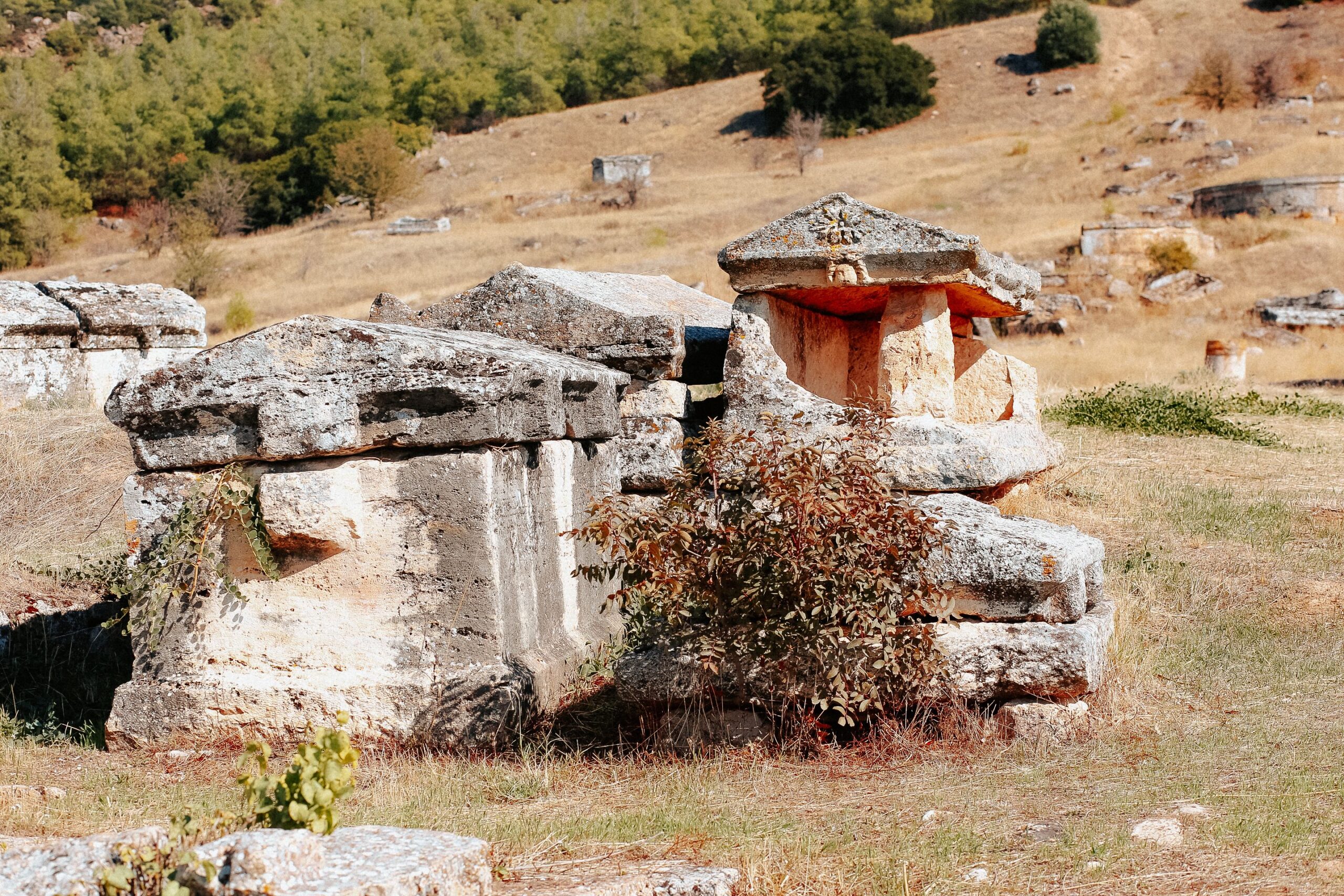
The Keramikos Athens site sits about a 15-minute walk from the Acropolis, and yet on any given morning you’ll find maybe two dozen visitors wandering its paths while the Parthenon queues snake around the block. I’ve been to Athens four times now, and this place still gives me that quiet, slightly eerie feeling that great historical sites should — the sense that you’re actually standing somewhere that mattered, not just posing in front of it.
What Keramikos Actually Was
Most people assume this was purely a cemetery, and the ancient graves are certainly the main draw. But Keramikos was also Athens’ potters’ quarter — the name comes from ‘keramos,’ meaning clay or potter — and for centuries it functioned as both a working industrial neighborhood and a burial ground. The city’s most prestigious funerary monuments lined the Sacred Way here. Generals, wealthy merchants, ordinary Athenians — all buried in a place that was, simultaneously, someone’s workshop.
The site spans roughly 40,000 square meters. You won’t need the whole day. Two hours is comfortable, three if you linger in the museum.
The Sacred Gate and Dipylon Gate
These two gates are the first things you’ll encounter, and they’re more impressive than photos suggest. The Dipylon was the main entrance to ancient Athens — the largest city gate in the Greek world. Funeral processions, the Panathenaic procession, returning armies: everything passed through here. What remains are the foundations and lower walls, but they’re substantial. Stand in the gap between the walls and you get a real sense of the scale.
The Sacred Gate, just south of the Dipylon, is where the Sacred Way began its journey to Eleusis. The Eridanos river — now just a slow trickle — still runs through the site beneath a small stone bridge. In wet months (November through March) it actually flows. In July it’s basically dry.
The Grave Monuments
This is the emotional core of the site. Walk along the Street of Tombs and you’ll pass marble stelae, sculpted grave markers, and stone bulls marking the graves of prominent Athenians from the 4th century BC. Most of what you see are casts — the originals are in the on-site museum — but they’re high-quality reproductions and the setting does the work. Tall cypress trees, cats sleeping on ancient stones, the occasional archaeologist brushing at something in a trench nearby.
Look for the grave of Dexileos, a young cavalryman killed in the Corinthian War in 394 BC. The relief shows him on horseback, spearing a fallen enemy. He was 20 years old. His family put up this monument while he was still listed missing, before confirmation of his death. That detail, which you can read on the information panel, has stayed with me since my first visit.
The Keramikos Museum
Small, cool, and almost always empty — the museum inside the site is genuinely excellent. It houses the original grave stelae along with pottery, terracotta figurines, bronze vessels, and jewelry found during excavations (which are ongoing; the German Archaeological Institute has been digging here since 1913).
Room 1 has the geometric-period pottery that established Athens’ reputation as a ceramic center — enormous funerary amphorae covered in geometric bands and funeral scenes. Room 2 contains the grave sculptures including the Dexileos stele. Give yourself 45 minutes minimum in here, more if ancient pottery is your thing.
A Note on Lighting
The museum lighting is dim, which is good for preservation but makes photography difficult. Don’t stress about it. Put the phone away and look at the objects. The detail on some of these pieces, done without modern tools, is genuinely hard to process.
Practical Information for 2026
- Address: Ermou 148, Athens — easily walkable from Monastiraki or Thissio metro stations
- Opening hours: Generally 8am–8pm in summer (April–October), 8am–5pm in winter — confirm current hours at the official Greek Ministry of Culture site before you go, as these shift
- Admission: Around €8 for the site and museum combined; free on the first Sunday of each month November through March
- Best time to visit: Early morning (8–10am) or late afternoon (after 4pm) in summer to avoid heat; the site has almost no shade
- Crowds: Genuinely light compared to every other major Athens site. Even in peak July this isn’t crowded.
Should You Book a Guided Tour?
Honestly, you can do this solo and the information panels are decent. But if you want context — the political history, the burial customs, why certain families could afford which monuments — a guide makes a real difference. Platforms like GetYourGuide and Viator both list Athens archaeological tours that include Keramikos, sometimes combined with the Ancient Agora next door. Prices typically run €25–45 per person for a small group tour. The combined Keramikos-Agora walks are efficient and worth the money if history is why you’re in Athens.
What’s Nearby
The Ancient Agora is a 10-minute walk east — buy a combined ticket if you can. Thissio neighborhood has good coffee and is far less tourist-saturated than Monastiraki. Café Avissinia in the nearby Monastiraki flea market area opens late morning and does solid Greek food at reasonable prices (around €12–16 for a main).
The Honest Case for Going
Keramikos won’t hit you over the head with grandeur the way the Acropolis does. It’s quieter, stranger, more intimate. You’re walking among graves of real people whose names we still know, in a city that’s been continuously inhabited for thousands of years. The cats will probably ignore you. An archaeologist might wave from a trench. It costs less than a cocktail in Kolonaki and it’ll stick with you longer than most things you do in Athens.
🏛 Ready to Book?
Browse verified Athens tours — trusted by over 3.5 million travellers worldwide.
Search Tours on Viator →We earn a small commission at no extra cost to you.
Browse verified Athens experiences — instant confirmation, free cancellation on most tours.
Search Tours on GetYourGuide → We earn a small commission at no extra cost to you.Frequently Asked Questions
More Things to Do in Athens
Beyond food — top-rated experiences with free cancellation & instant confirmation.
Related Articles
Monastiraki Athens: The Complete Neighbourhood Guide 2026
Updated July 2026: Updated July 2026: The summer heat in Monastiraki has been genuinely…

New AthensToursHQ Guides — June 2026
Here are the latest guides we published on AthensToursHQ this month. Fresh, hand-written, and…
New AthensToursHQ Guides — October 2026
Here are the latest guides we published on AthensToursHQ this month. Fresh, hand-written, and…