What Exploring Sounio in Greece Is Actually Like
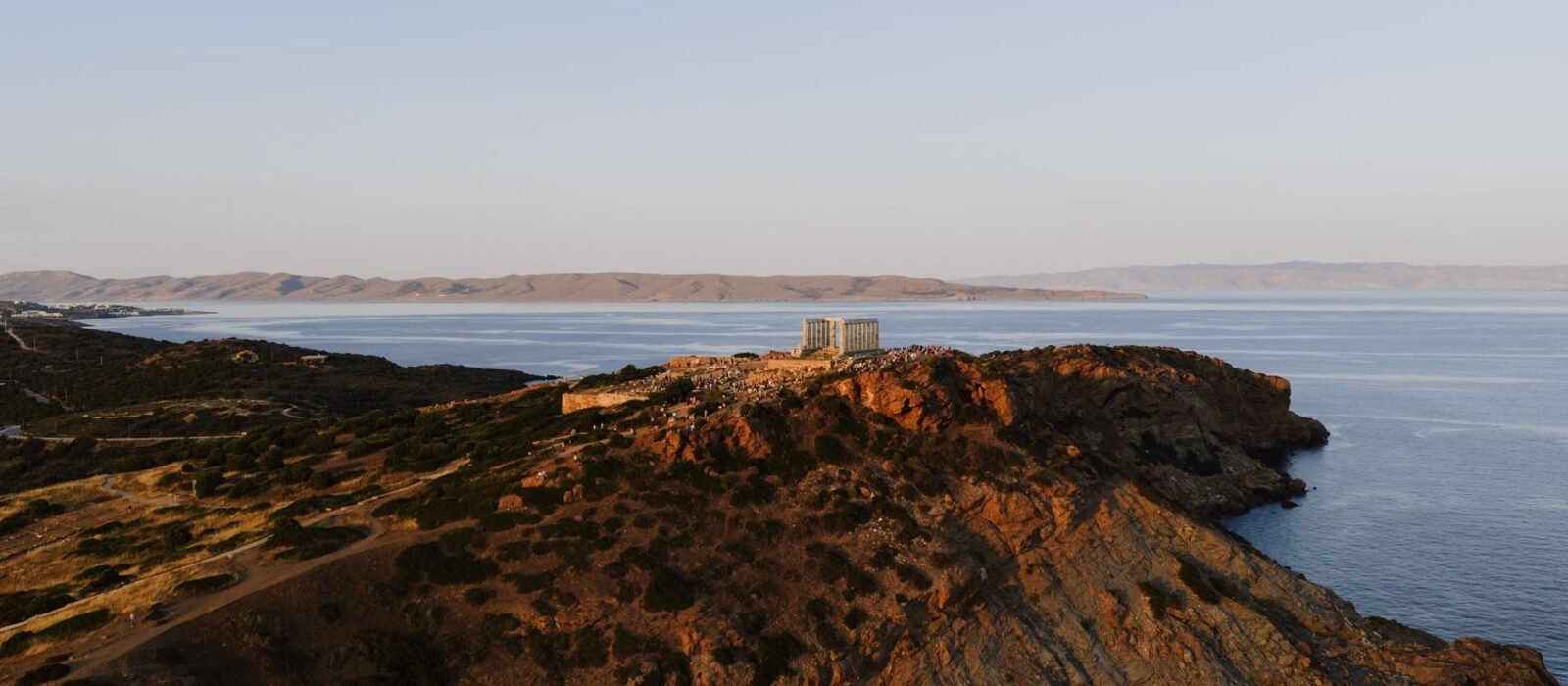
A Sounio day trip from Athens gets sold almost entirely on one image: the Temple of Poseidon silhouetted against an orange sky. That image is real, but it represents about ninety minutes of a cape that rewards an entire day. The headland sits 70km south of Athens along the Attica coast, and the landscape between the temple ruins and the sea is genuinely varied — scrubby coastal trails, small coves, abandoned silver-mine workings, and beaches that see a fraction of the crowds that pile into the temple car park at 6pm. Compare this to, say, hiking the Acropolis area: everything there is managed, paved, and timed. At Sounio, once you step past the ticket booth, the terrain opens up and becomes looser, rockier, and more honest.
The experience suits people who want archaeology and coastline in one shot. The path along the southern cliffs from the temple car park to Sounio beach takes around forty minutes each way. The water below is clear Aegean blue. Boat traffic is light. The biggest surprise for most visitors is how quiet the lower coves stay even when the temple terrace is packed.
Who It’s For (and Who Should Skip It)
Sounio works well for adults and older children — roughly age ten and up — who are comfortable walking on uneven ground for two to four hours total. The coastal path south of the temple involves loose stones and some mild scrambling; it is not suitable for pushchairs or anyone with significant mobility limitations. The temple site itself is wheelchair-accessible to a limited degree, but the broader hiking circuit is not.
People who struggle in heat should plan carefully. July and August temperatures regularly reach 35–38°C on exposed ridges, and there is almost no shade on the cliff paths between noon and 4pm. The hike is rated moderate — not difficult — but underestimating sun exposure is the most common mistake visitors make.
Get the Free Athens Locals' Guide
The 50 things actually worth your time in Athens — tavernas locals keep to themselves, quiet viewpoints, and how to skip the Acropolis queues.
If you are purely chasing the sunset photo and have no interest in walking or swimming, the experience will feel thin for a full day. Take the late-afternoon KTEL bus from Athens (Mavromataion terminal, roughly €7 each way), arrive by 4pm, and leave after sunset — that is a perfectly valid approach. But the fuller Sounio day, beaches and all, suits active travellers far better than casual sightseers.
What It Costs
Temple of Poseidon entry is €10 per adult in 2026, reduced to €5 for EU students and free for under-18s. The site is open daily from 9:30am to sunset.
KTEL buses from Athens run roughly every hour in summer and cost €7–€8 one way. The journey takes about 90 minutes via the coastal road, which is the scenic route — take it. If you drive, petrol and parking are your main costs; parking at the site is free.
Organised day tours via GetYourGuide or Viator run €35–€65 per person and typically include transport, a guide, and temple entry. These are worth considering if you want historical context delivered at the site rather than reading ahead, or if you are travelling without a car and want flexibility on timing.
Beach days at Legrena or Sounio beach cost nothing beyond food and drink. Expect to pay €10–€15 for a sunbed rental at Sounio beach proper. Tavernas near the site charge Athens-tourist prices — budget €18–€25 for a full meal with a drink.
What’s Included and What to Bring
Pros
- Combines a genuine ancient site, cliff walks, and clear-water swimming in one day
- Easily reachable from Athens without a car via affordable KTEL buses
- Temple entry at €10 is fair value; beaches cost nothing extra
- Small-group guided tours available through GetYourGuide and Viator for added historical depth
Cons
- July–August heat on exposed cliff paths is punishing without careful planning
- Sunset rush on weekends brings 300+ visitors to a small terrace — crowds undermine the atmosphere
- Coastal path has no barriers or rescue infrastructure; unsuitable for young children without close supervision
- Budget tours under €30 often skip the beach and rush the temple — itinerary must be checked carefully
What organised tours typically include
- Return transport from central Athens
- Licensed guide at the temple
- Temple entry fee
- Swim stop at a coastal beach (varies by operator — confirm before booking)
What to bring yourself
- At least 1.5 litres of water per person — the thing most people forget and immediately regret
- Sun protection: hat, SPF 50 cream, UV shirt for the cliff walks
- Swimwear and a quick-dry towel if you plan to swim
- Sturdy sandals or trail shoes — flip-flops are inadequate on the coastal path
- Cash for the taverna and parking; card acceptance is inconsistent outside the temple ticket office
- A portable phone charger — signal is patchy and battery drains fast in GPS mode
Choosing an Operator
Not all Sounio tours are equal. The cheap end of the market — sub-€30 group tours — often involves a large coach, a rushed stop at the temple, and no beach time. If the beach and hiking component matters to you, read the itinerary carefully before booking rather than filtering by price alone.
Look for operators that keep groups under twenty people, include a swim stop, and use guides with Greek National Tourism Organisation (GNTO) licensing. The GNTO licence means the guide has completed formal training in archaeological sites — relevant at Poseidon’s temple, where the history of the sanctuary, Lord Byron’s graffiti on a column (carved in 1810), and the Doric architecture are worth understanding properly.
Small-group tours listed on GetYourGuide and Viator in this category often specify group caps in the listing details — twelve to fifteen people is the sweet spot. Tours that mention a stop at Legrena beach or Agios Konstantinos cove are generally the ones that have thought through the full day rather than just the postcard moment.
If you are hiring a private car, consider a local guide add-on for the temple portion only — several Athens-based guides offer this as a two-hour standalone service from around €80 for a small group.
Best Time of Day and Year
April, May, and October are the most comfortable months. Temperatures sit between 18–26°C, the coastal paths are walkable at any hour, and the temple crowds are manageable. The summer solstice sunset (late June) is spectacular at Sounio — the sun drops almost perfectly behind the westernmost temple column — but expect 300-plus people on the terrace that evening.
July and August deliver the clearest sea water for swimming but brutal midday heat. If visiting in peak summer, arrive by 9:30am when the site opens, hike and swim before noon, rest through the hottest hours, then return to the temple for the last two hours before closing.
Avoid arriving at 5–6pm in summer on weekends — this is when day-trippers flood in from Athens specifically for the sunset, and the site entrance can have a 20-minute queue. Weekday sunsets are quieter by comparison.
Safety and Honest Warnings
The coastal cliff path south of the temple has no barriers and no rescue infrastructure. The drop to the sea in several sections is 20–30 metres. Keeping children close and stepping back from edges for photos is not optional precaution — it is basic common sense on terrain that is often slippery with dried sea salt.
Sea urchins are present on the rocky parts of Sounio beach and the coves nearby. Water shoes are strongly advisable if you plan to enter from rocks rather than sand. Getting an urchin spine removed is painful and time-consuming; the nearest clinic is in Lavrio, 10km north.
Heatstroke is the other real risk in summer. Two litres of water per person for a full day is a minimum, not a suggestion. Symptoms come on quickly on exposed ridges with no wind. If someone in your group stops sweating despite the heat, get them into shade immediately and seek help.
The last KTEL bus back to Athens departs Sounio around 9pm in summer — verify the current schedule at the terminal before your trip, as times shift seasonally.
Is It Worth Booking?
As a straight temple visit, Sounio is good but not exceptional for the effort from Athens — the drive alone is 90 minutes each way. As a full-day coastal experience combining a genuine ancient site, cliff walks, and swimming in clear water, it is one of the more complete half-days available from any European capital. The €10 entry fee is fair. The bus journey is affordable. The beaches cost nothing.
An organised small-group tour at €45–€55 adds real value if you want historical depth and a beach stop built into the itinerary. Going independently by car or bus is entirely viable and cheaper. Either way, the full Sounio day — not just the sunset rush — is worth making time for.
Frequently Asked Questions
How do I get from Athens to Sounio without a car?
Are there good swimming beaches near the Temple of Poseidon?
Is the coastal hiking path at Sounio marked and easy to follow?
What is the best time to visit the Temple of Poseidon to avoid crowds?
Can I see Lord Byron's signature on the temple columns?
More Things to Do in Athens
Top-rated experiences with free cancellation and instant confirmation.
Related Articles
Why Tanagra Deserves a Day of Your Athens Trip A Tanagra day trip from Athens takes you about…

Planning a Mykonos day trip from Athens is one of the most popular moves visitors make in Greece…

What Livadhia Is Actually Like A Livadhia day trip from Athens delivers something surprisingly layered for a town…