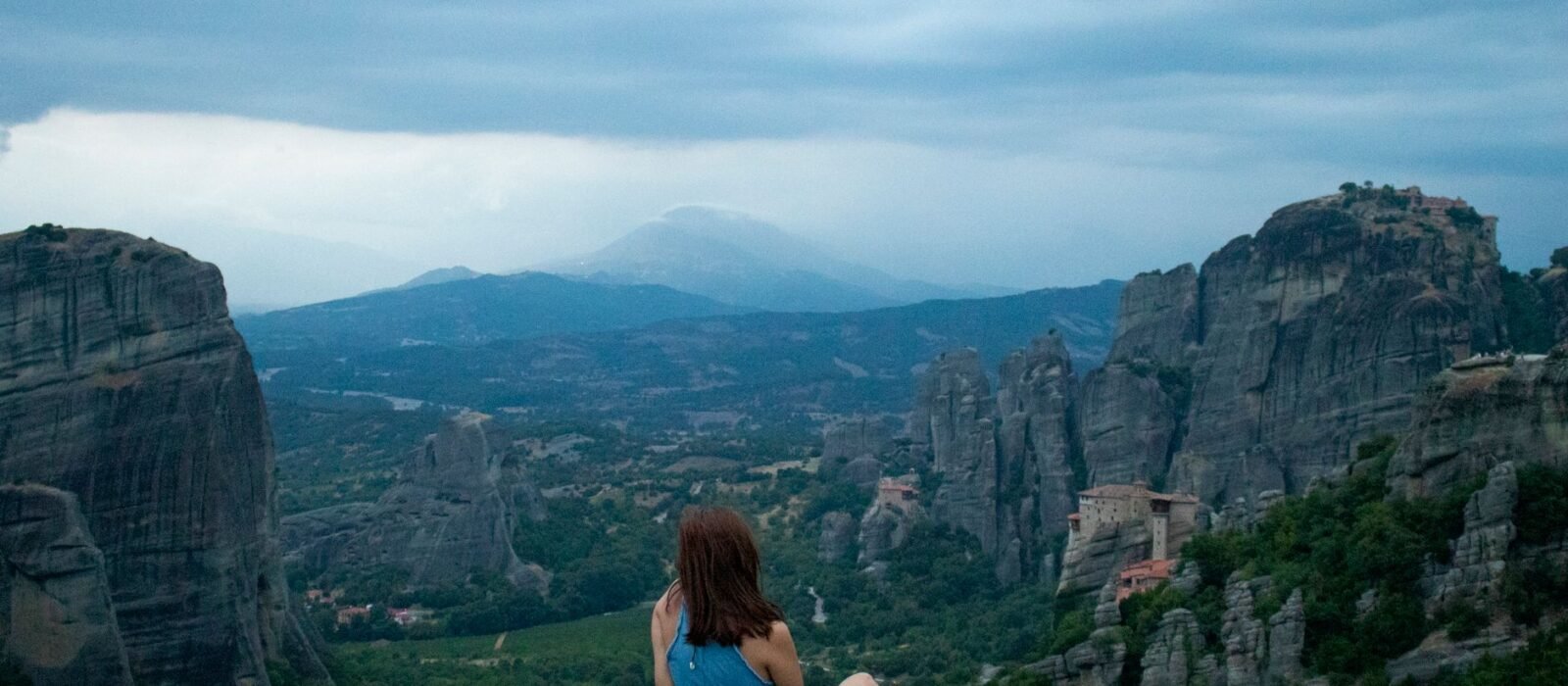
Athens is loud, hot and busy for much of the year, but you do not have to go far to find real quiet. Within an hour or two of the centre there are fir-covered mountains, Byzantine monasteries that are still lived in, and a small pine-covered island where cars are few. This guide lists places worth slowing down for, with honest notes on access.
How We Picked These
Every place on this list is well documented and genuinely calmer than central Athens, especially on weekdays. We left out commercial “digital detox” retreats: their programmes, prices and policies change often and we could not confirm them independently. Most entries are free or cost only a small ticket or ferry fare. Where a place needs a car, we say so.
Mount Parnitha National Park
Fir forest, mountain refuges and red deer, about an hour from Syntagma.
Top PickParnitha is the highest mountain in Attica and has been a national park since 1961. Above the suburbs the landscape changes quickly: Greek fir and Aleppo pine, limestone ravines, and one of the few wild red deer populations in Greece. The 2007 wildfire burned part of the forest, but large sections are intact and the trail network is well marked.
The classic slow day is a walk to the Bafi mountain refuge and back, or a loop through the fir forest above the cable car area. Public transport up the mountain is limited, so a car or taxi is the practical option. Bring water and a layer: it is noticeably cooler up here than in the city. Check for closures on high-wind or high fire-risk days in summer.
Kaisariani Monastery and Mount Hymettus
An 11th-century monastery in a pine forest, a short ride from the city centre.
Kaisariani Monastery sits on the western slopes of Mount Hymettus, only a few kilometres from the centre, yet the walk up from the last houses of Kaisariani puts you in pine woods within half an hour. The Byzantine church dates from the 11th century and keeps later frescoes inside; the spring beside it was famous in antiquity.
The monastery has opening hours and a small entry ticket, while the surrounding forest paths are free. Above it, trails continue towards small Byzantine chapels and viewpoints over the whole Athens basin. Go on a weekday morning: weekends bring local walkers and families. Our Kaisariani day-trip guide covers the walk in detail.
Penteli Monastery and the ancient marble quarries
A working monastery and the quarries that supplied the Parthenon.
Penteli Monastery was founded in 1578 and is still an active monastic community, so visitors are expected to dress modestly and keep their voices down. The village of Penteli around it is green and noticeably calmer than the city below.
Higher up the mountain lie the ancient Pentelic marble quarries, the source of the marble used for the Parthenon, and the Davelis Cave, a quarry cavern with a small Byzantine chapel built into it. The easiest approach without a car is a taxi from Halandri metro station. Paths on the upper mountain are partly unmarked and cross areas burned in past fires, so stay on clear tracks and avoid the hottest hours.
Daphni Monastery
UNESCO-listed Byzantine mosaics, usually with very few other visitors.
Daphni is one of three Middle Byzantine monasteries on UNESCO's World Heritage list, together with Hosios Loukas and Nea Moni on Chios. Its 11th-century gold-ground mosaics, including the Christ Pantocrator in the dome, are among the finest anywhere.
It sits beside the busy Iera Odos road, so this is not a place for long silence, but inside the walls it is quiet and rarely crowded. Opening days and hours have been limited for years because of restoration work, so check the current schedule before you go. It pairs well with a morning at Kaisariani for a slow, Byzantine-themed day.
Monastery of Hosios Meletios on Mount Kithairon
A remote working monastery in the hills on the Attica-Boeotia border.
The Monastery of Hosios Meletios was founded in the 11th century on the forested slopes of Mount Kithairon, roughly an hour's drive northwest of Athens. It is an active monastery, not a museum, and the setting among pines and old stone buildings is about as far from city noise as you can get within Attica.
There is no practical public transport, so plan on a car. Visit as a guest of a working community: modest dress, no photos during services, and respect for closing times. Do not assume overnight stays are possible; if you want a longer visit, contact the monastery directly and accept the answer.
Agistri island
A small, pine-covered island near Piraeus with a slower pace than Aegina.
Agistri lies just beyond Aegina in the Saronic Gulf and is reached by ferry or fast boat from Piraeus, often in around an hour. It is small, green with pine forest down to the water, and has a handful of villages (Skala, Megalochori, Limenaria) linked by quiet roads that are easy to walk or cycle.
In July and August it fills with Athenian weekenders, but from October to May it is very calm and many businesses close, so check that your accommodation is open before you go. Expect simple tavernas rather than a resort scene. Combine it with a stop on Aegina if you want a little more to see.
Lake Stymfalia, Corinthia
A mountain wetland in the Peloponnese for birdwatching and long, quiet walks.
Lake Stymfalia, the setting of the myth of Hercules and the Stymphalian birds, is a protected Natura 2000 wetland in the mountains of Corinthia, about two hours by car from Athens. Reed beds, fields and bare mountains surround it, and it is a good spot for birdwatching, especially in spring and autumn.
On the shore, the Museum of the Environment of Stymfalia explains the lake's ecology and traditional farming life, and nearby are the ruins of a medieval Cistercian abbey and the ancient city of Stymphalos. The villages around the lake have simple rooms and tavernas. You need a car, and the water level varies a lot by season.
Get the Free Athens Locals' Guide
The 50 things actually worth your time in Athens — tavernas locals keep to themselves, quiet viewpoints, and how to skip the Acropolis queues.
The List
The list runs from big, easy-to-reach nature escapes to places that need a full day. Pick by how much time you have and whether you have a car.
How to Plan
Go on weekdays and start early: Athenians head to Parnitha, Hymettus and the islands at weekends. Check opening hours for monasteries and archaeological sites before leaving, since they change by season and sometimes close for restoration. In summer, watch fire-risk warnings, as mountain and forest areas can be closed on high-risk days. If you do not want to drive, guided day trips on Viator and GetYourGuide cover several of these areas with transport from central Athens.
Ones We Left Out and Why
Cape Sounion is spectacular but crowded at sunset. Hydra has no cars, but it is busy and expensive in season. Delphi is wonderful but built around day-trip tourism, so it works better as a heritage trip than a quiet escape. We also left out wellness retreats and spas we could not verify.
Frequently Asked Questions
Can I stay overnight at a monastery near Athens?
What is the best time of year for a quiet escape near Athens?
Can I reach these places without a car?
Is it respectful to visit monasteries as a non-Orthodox visitor?
Is Cape Sounion a good slow-travel option?
More Things to Do in Athens
Top-rated experiences with free cancellation and instant confirmation.
Related Articles
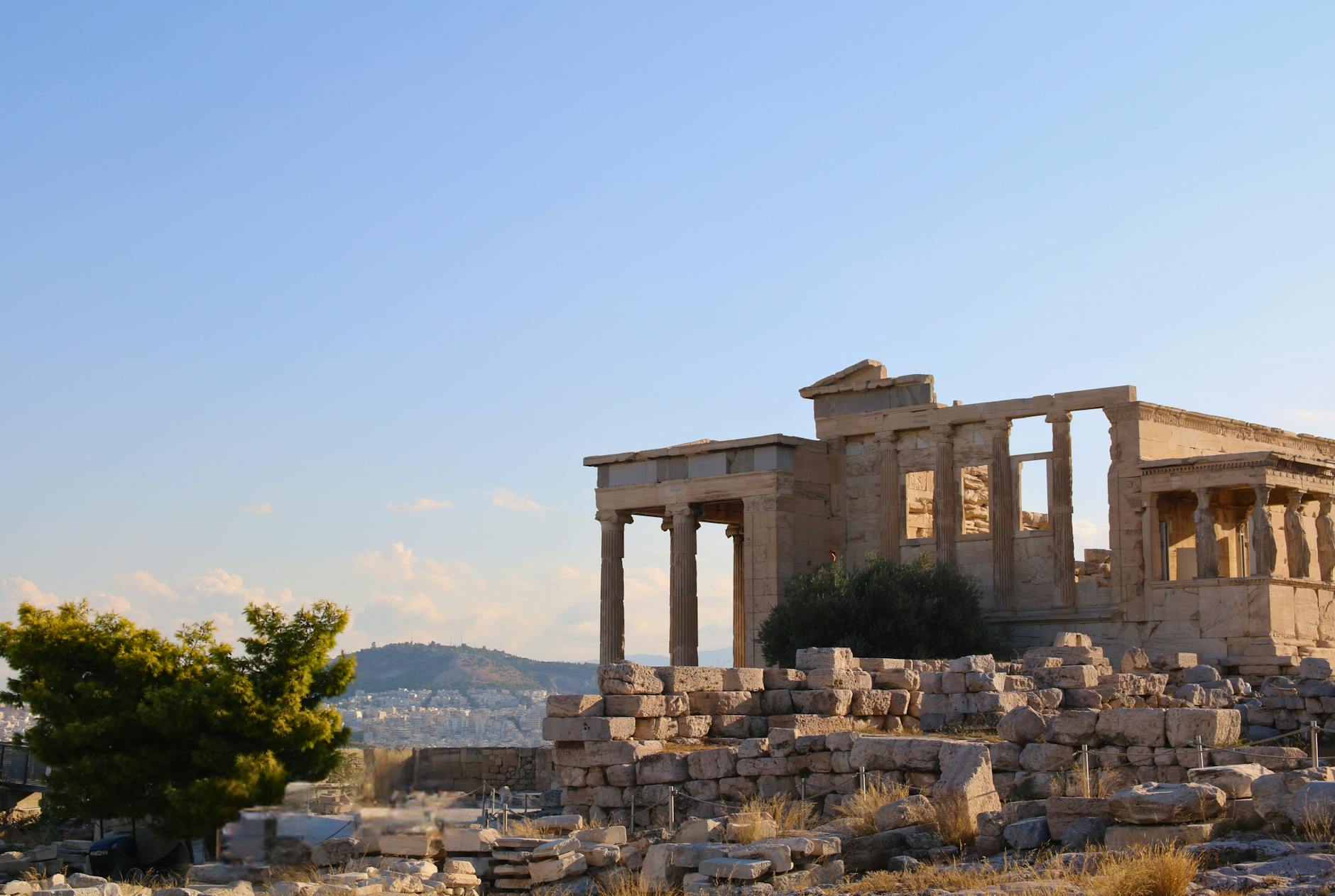
The Acropolis gets all the glory, but the Ancient Agora is where Athenians actually lived their lives. This…
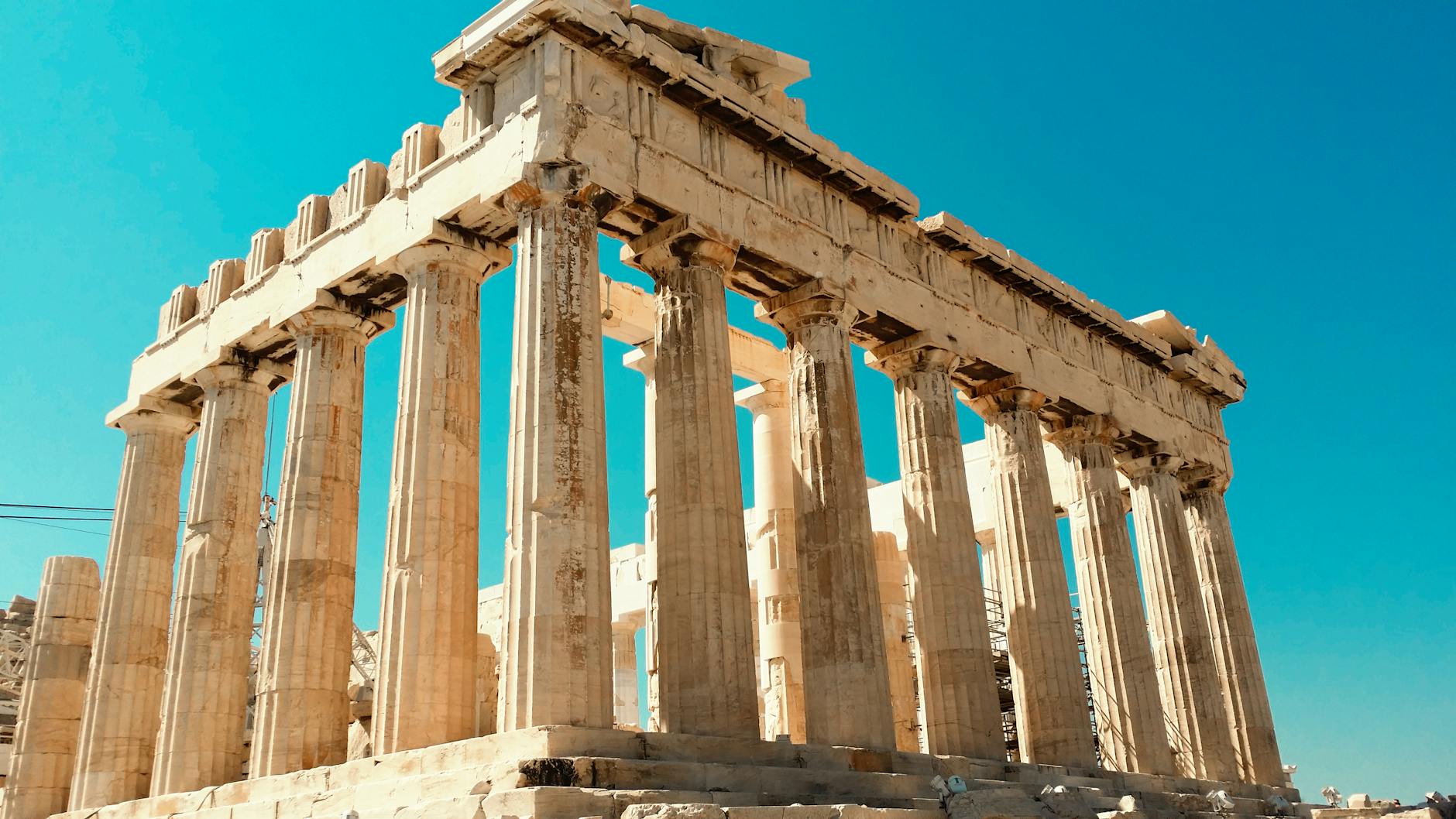
Two Days Is Enough — If You’re Smart About It Athens rewards people who slow down and punishes…

Here are the latest guides we published on AthensToursHQ this month. Fresh, hand-written, and packed with practical detail…